
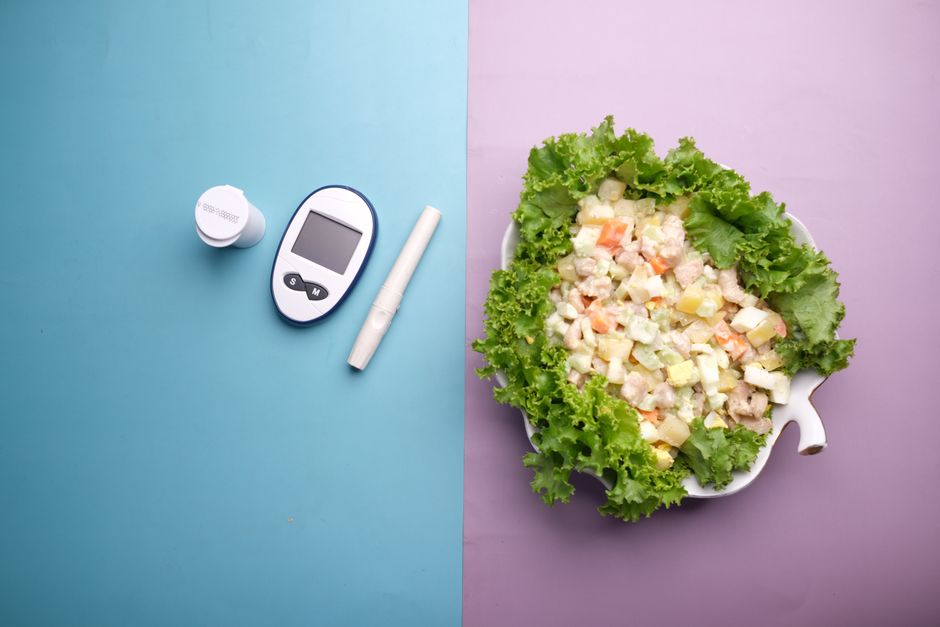
What you eat directly affects your blood sugar, and some foods can lower it or slow its rise. Foods high in fiber, protein, and healthy fats digest slowly and blunt glucose spikes, while certain compounds in foods like cinnamon and leafy greens may support insulin function. The effect is real but modest — food supports blood sugar control, it does not replace medical treatment.
Blood sugar, or blood glucose, is the amount of sugar circulating in your bloodstream. It rises after you eat carbohydrates and falls as insulin moves that sugar into your cells for energy. When this system works well, levels stay in a healthy range. When it does not — as in prediabetes or type 2 diabetes — what you eat becomes one of the most powerful tools you have.
What Foods Reduce Blood Sugar And How They Work?
No single food acts like a drug that forces blood sugar down. Instead, foods reduce blood sugar in two main ways: they slow how fast glucose enters the bloodstream, and they support the body’s own insulin response. Fiber, protein, and fat all slow digestion. Some foods also contain compounds that appear to help cells respond to insulin more effectively.
The most reliable foods for blood sugar control share a few traits. They are low in quickly digested carbohydrates, high in fiber, and often rich in protein or healthy fat. Here is how the main categories work.
Fiber-rich vegetables and whole grains
Soluble fiber forms a gel-like substance in the gut. This slows the emptying of the stomach and the absorption of glucose, so sugar enters the blood more gradually instead of all at once. Non-starchy vegetables like broccoli, spinach, and peppers are low in carbohydrate to begin with, so they cause only a small rise. Whole grains such as oats, barley, and quinoa digest more slowly than refined grains like white rice or white bread.
Protein foods
Protein takes longer to break down than carbohydrate. Eating protein alongside carbohydrate slows the whole meal’s effect on blood sugar. Eggs, fish, poultry, Greek yogurt, beans, and lentils all fit here. Beans and lentils are especially useful because they provide both protein and fiber in one package.
Healthy fats
Fat slows digestion and helps you feel full, which can reduce how much you eat overall. Olive oil, nuts, seeds, and avocado are common examples. Fat does not lower blood sugar on its own, but it changes the speed at which a meal raises it.
Foods with specific active compounds
Some foods contain compounds that may improve how the body handles glucose. Cinnamon has been studied for its possible effect on fasting blood sugar. Berries contain fiber and antioxidants. Leafy greens are rich in magnesium, a mineral involved in insulin action. The evidence for these foods is real but modest — they support control, they do not transform it.
Why Does Fiber Matter So Much For Blood Sugar?
Fiber is the single most useful nutrient for blood sugar because it changes how fast glucose is absorbed. When you eat a food without fiber, its sugars can hit the bloodstream quickly. Add fiber, and the same amount of sugar arrives slowly and in smaller waves.
There are two types of fiber, and both help. Soluble fiber dissolves in water and forms a gel that slows digestion. Insoluble fiber adds bulk and speeds waste through the gut. Most whole plant foods contain both.
Fiber also feeds the bacteria in your gut. Those bacteria produce compounds that appear to influence how well your body uses glucose, though this area of research is still developing. What is well established is simpler: people who eat more fiber tend to have better blood sugar control than people who eat less.
Does the Order You Eat Food Change Blood Sugar?
What you eat matters most, but the order you eat it in can make a difference too. Eating vegetables and protein before carbohydrate appears to blunt the blood sugar rise from that meal. The effect is smaller than choosing better foods in the first place, but it is real and easy to apply.
The likely reason is that fiber, protein, and fat reach the gut first and start slowing digestion before the carbohydrate arrives. Some studies have measured a smaller glucose spike when vegetables were eaten before rice or bread compared with the reverse order.
This is a practical habit, not a rule you must follow at every meal. If it helps you, use it. If it adds stress, focus on the food choices instead.



Which Foods Raise Blood Sugar Fastest?
Knowing what to limit is as important as knowing what to add. Foods that digest quickly and contain little fiber or protein send glucose into the blood fast. These include sugary drinks, white bread, white rice, most breakfast cereals, candy, and many processed snacks.
Liquid sugar is the fastest of all. A sweetened soda or juice delivers sugar with almost nothing to slow it down, so it hits the bloodstream quickly. This is why sugary drinks are one of the strongest dietary factors linked to poor blood sugar control.
You do not have to eliminate these foods completely. Pairing them with protein, fat, or fiber slows their effect. A slice of white bread alone raises blood sugar faster than the same slice eaten with eggs and vegetables.
How Do These Foods Compare?
The table below summarizes how different food groups affect blood sugar. The “effect” column describes the general direction and speed, not a precise number.
| Food group | Main mechanism | Effect on blood sugar |
|---|---|---|
| Non-starchy vegetables | Fiber, low carbohydrate | Small, slow rise |
| Beans and lentils | Fiber plus protein | Slow, moderate rise |
| Whole grains | Fiber slows digestion | Slower than refined grains |
| Protein foods | Slow breakdown | Blunts meal spike |
| Healthy fats | Slows stomach emptying | Slows the rise |
| Sugary drinks | No fiber, fast absorption | Fast, large rise |
| Refined grains | Little fiber | Faster rise |
Do These Foods Replace Medication?
No. Diet is a foundation of blood sugar management, but for many people it is not enough on its own. If you take medication for diabetes, food changes work alongside it, not instead of it. Stopping or changing medication without medical guidance can be dangerous.
This is one of the most important points to get right. Some foods genuinely help blood sugar, and diet changes can be powerful. But the effect of any single food is modest compared with what medication can do in someone who needs it. Food and medicine are partners, not competitors.
If you want to adjust your diet to improve blood sugar, tell your clinician. They can help you track the effect and adjust medication safely if needed.
What Else Affects Blood Sugar Besides Food?
Food is central, but it is not the only factor. Sleep, stress, physical activity, and some medications all influence blood sugar. Poor sleep and ongoing stress can raise blood sugar by increasing stress hormones. Regular movement helps muscles take up glucose, sometimes for hours afterward.
This matters because a food-only approach can miss part of the picture. Someone eating well but sleeping badly may still see higher readings. Addressing the whole picture tends to work better than focusing on any one food.
It also means you should not judge a single meal by a single reading. Blood sugar moves for many reasons. Look at patterns over time, ideally with your clinician’s help.
What Is the Bottom Line?
Foods that reduce blood sugar work mainly by slowing glucose absorption and supporting insulin. Fiber-rich vegetables, beans, whole grains, protein, and healthy fats are the most reliable choices. Foods like cinnamon, berries, and leafy greens may add a modest benefit.
No food is a substitute for medical care. The honest position is that diet is powerful and worth getting right, but it works best as part of a full plan that includes movement, sleep, stress management, and any medication your clinician recommends. If you have diabetes or prediabetes, talk to your care team before making big changes.
Frequently Asked Questions
What foods lower blood sugar the fastest?
No food lowers blood sugar quickly the way medication can. Foods high in fiber, protein, and healthy fat slow the rise from a meal, and non-starchy vegetables cause the smallest rise of all.
Does cinnamon really lower blood sugar?
Some studies suggest cinnamon may modestly lower fasting blood sugar, but results vary and the effect is small. It is not a replacement for medication or a full dietary approach.
Can I control blood sugar with diet alone?
Some people with prediabetes or mild type 2 diabetes can improve blood sugar significantly through diet and lifestyle. Whether diet alone is enough depends on the person, and a clinician should guide that decision.
Should I eat vegetables before carbs?
Eating vegetables and protein before carbohydrate appears to blunt the blood sugar rise from that meal. The effect is modest but real, and it is an easy habit to try.
