
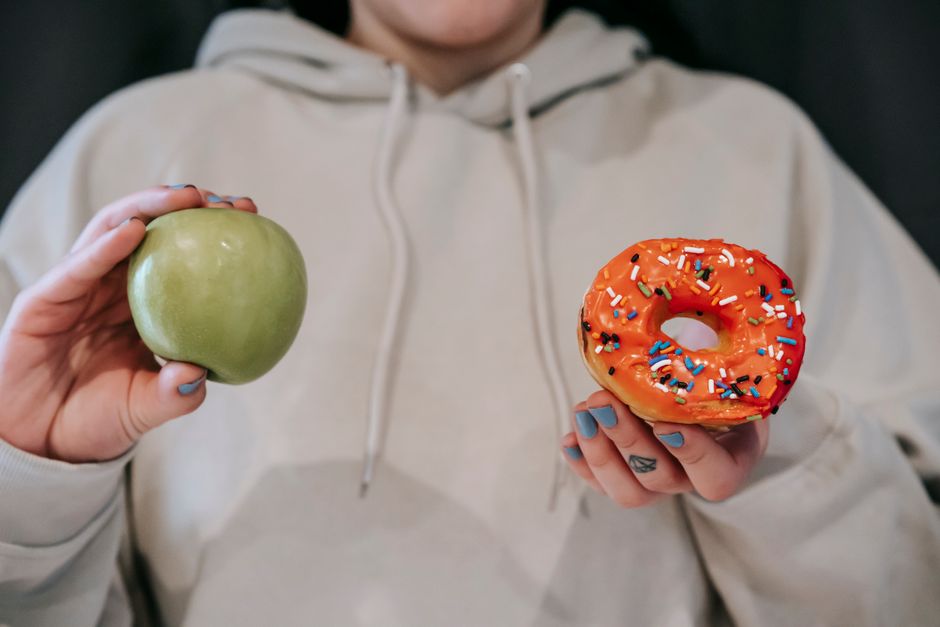
A fecal occult blood test (FOBT) checks for hidden blood in your stool — blood you cannot see. The foods to avoid before this test are red meat, raw broccoli, cauliflower, radishes, turnips, and melons like cantaloupe and honeydew. These foods can trigger a false positive result by interfering with the chemicals used to detect blood.
If your doctor ordered a fecal immunochemical test (FIT) instead, the food restrictions are different. FIT is more specific and does not usually require food changes. Knowing which test you are taking matters, because the preparation rules are not the same.
What Foods To Avoid For An Occult Blood Test?
The classic guaiac-based FOBT relies on a chemical reaction that turns blue when it contacts the heme portion of hemoglobin. Certain foods contain compounds that mimic this reaction or contain actual animal blood, leading to a false positive.
The main foods to avoid for three days before a guaiac FOBT include:
- Red meat — beef, lamb, pork, and liver. These contain animal hemoglobin that can register as human blood.
- Raw broccoli, cauliflower, radishes, and turnips — these vegetables contain peroxidase enzymes that can trigger the test’s color change.
- Cantaloupe, honeydew, and other melons — also contain peroxidase activity.
- Horseradish — high peroxidase content.
- Vitamin C supplements above 250 mg per day — can cause a false negative by blocking the chemical reaction.
Cooking these vegetables does not reliably eliminate the problem. The peroxidase enzyme can survive cooking, so the safest approach is to skip them entirely during the preparation window.
Some clinicians also ask patients to avoid certain medications. Aspirin and other NSAIDs can cause minor gastrointestinal bleeding that shows up on the test. Iron supplements can darken stool and confuse visual interpretation. Your doctor will tell you whether to pause these.
Does the Type of Test Change What You Avoid?
Yes, and this is where many people get confused. There are two main types of occult blood tests, and they have different preparation requirements.
Guaiac-based FOBT (gFOBT) uses a chemical developer. It reacts to the heme in blood but also to plant peroxidases and animal hemoglobin. That is why food restrictions exist for this version.
Fecal immunochemical test (FIT) uses antibodies that bind specifically to human hemoglobin. It does not cross-react with plant enzymes or animal blood. For this reason, most guidelines do not require food restrictions before a FIT.
A third option, the FIT-DNA test (sDNA-FIT), combines a FIT with a DNA marker panel. Like FIT, it does not typically require dietary changes.
If you are not sure which test you have, check the instructions that came with your kit or call your doctor’s office. Taking the wrong preparation approach can lead to an inaccurate result and an unnecessary repeat test.
Why Do These Foods Cause False Results?
The guaiac test works through a simple oxidation reaction. A paper card holds a sample of stool. When you add a developer solution, the heme in blood catalyzes a reaction that turns the paper blue.
Peroxidase enzymes in certain plants catalyze the same reaction. They do not contain blood, but the test cannot tell the difference. The result looks positive even when no blood is present.
Red meat is a different problem. It contains myoglobin and hemoglobin from the animal. These are chemically similar enough to human hemoglobin that the guaiac test reacts to them.
Vitamin C creates the opposite problem. It is a reducing agent that blocks the oxidation reaction. If enough vitamin C is present, the test may fail to turn blue even when blood is there — a false negative. A false negative is arguably more dangerous than a false positive because it can delay finding a real problem.

What About Medications and Supplements?
Medication restrictions depend on your specific situation and the type of test. The evidence here is more nuanced than the food list.
NSAIDs like ibuprofen, naproxen, and aspirin can irritate the stomach lining and cause small amounts of bleeding. Some clinicians ask patients to stop these for several days before a guaiac FOBT. However, stopping aspirin is not always safe, especially for people with heart conditions or a history of stroke. Never stop a prescribed blood thinner or aspirin without talking to your doctor first.
Iron supplements can turn stool black, which may look like bleeding to the naked eye. This does not usually affect the chemical test result, but it can cause unnecessary alarm.
Vitamin C in doses above 250 mg per day is a known cause of false negatives on guaiac testing. If you take a high-dose vitamin C supplement, tell your doctor before the test.
For FIT, medication restrictions are generally not needed. The antibody-based method is not affected by NSAIDs, iron, or vitamin C in the same way.
How Should You Prepare for the Test?
The exact preparation depends on which test your doctor ordered. For a guaiac FOBT, the standard approach is a three-day restriction period before collecting your sample.
During those three days:
- Avoid red meat, liver, and other organ meats.
- Skip raw broccoli, cauliflower, radishes, turnips, and horseradish.
- Do not eat cantaloupe, honeydew, or other melons.
- Limit vitamin C supplements to under 250 mg per day, or stop them if your doctor advises.
- Ask your doctor about aspirin, NSAIDs, and blood thinners.
You can eat chicken, fish, and well-cooked vegetables that are not on the restricted list. White rice, pasta, bread, and most fruits are fine.
For FIT or FIT-DNA, follow the kit instructions. Most do not require any food changes. Some kits ask you to avoid vitamin C in very high doses, but this is not universal.
Collect the sample according to the instructions. Do not contaminate the sample with urine or toilet paper. Some kits require you to collect from multiple bowel movements on different days.
What Happens If You Eat the Wrong Foods?
If you accidentally eat a restricted food, tell your doctor before submitting the sample. In most cases, you can simply restart the three-day restriction period and collect a new sample.
A false positive result does not mean you have cancer. It means the test detected something that looked like blood. Your doctor will likely order a follow-up test, often a colonoscopy, to find the source. Many false positives turn out to have a benign explanation.
A false negative is more concerning. If vitamin C or another interfering substance blocked the reaction, the test may miss real bleeding. This is why following the preparation instructions matters. If you are unsure whether something you ate or took could interfere, call your doctor’s office and ask.
Occult blood tests are screening tools, not diagnostic tests. A positive result leads to further evaluation. A negative result does not rule out all possible problems, especially if you have symptoms like rectal bleeding, unexplained weight loss, or a change in bowel habits. Report those symptoms to your doctor regardless of test results.
Frequently Asked Questions
Do I need to avoid red meat before a FIT test?
No. The fecal immunochemical test uses antibodies that target human hemoglobin specifically, so red meat does not interfere with the result. Food restrictions are only needed for the older guaiac-based FOBT.
How many days before the test should I change my diet?
For a guaiac FOBT, the standard restriction period is three days before you collect your sample. Follow the specific instructions that came with your test kit, as some labs use slightly different windows.
Can vitamin C really cause a false negative?
Yes. Vitamin C is a reducing agent that can block the chemical reaction in guaiac-based tests, preventing the color change even when blood is present. Doses above 250 mg per day are the main concern.
What vegetables should I avoid before an occult blood test?
Avoid raw broccoli, cauliflower, radishes, turnips, and horseradish because they contain peroxidase enzymes that can trigger a false positive. Melons like cantaloupe and honeydew should also be avoided for the same reason.
