
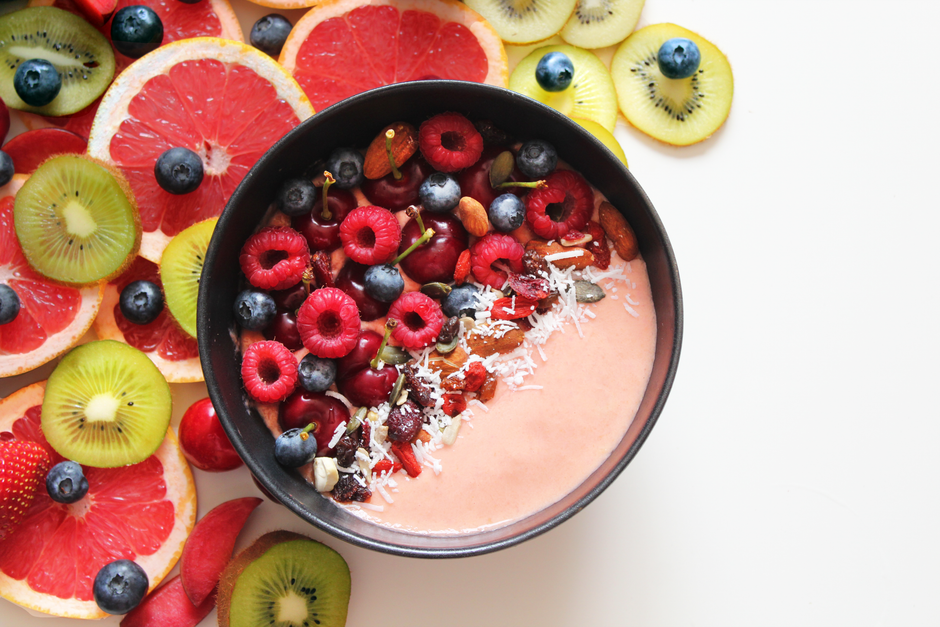
Antioxidants are compounds that help protect your cells from damage caused by free radicals, which are unstable molecules your body produces naturally. Many people want to know what foods have antioxidants because eating them is linked to a lower risk of chronic diseases like heart disease and some cancers. The most reliable answer is plant foods: fruits, vegetables, nuts, whole grains, and legumes are the top sources, with berries, dark leafy greens, and beans leading the pack.
What Are Antioxidants and Why Do They Matter?
Antioxidants are molecules that can neutralize free radicals. Free radicals are unstable atoms that can damage cells, leading to illness and aging. Your body makes free radicals as a byproduct of normal processes like turning food into energy. You also take in free radicals from the environment through tobacco smoke, air pollution, and ultraviolet light.
When free radicals outnumber antioxidants, the result is called oxidative stress. Over time, oxidative stress contributes to the development of heart disease, cancer, vision loss, and other chronic conditions. Eating foods rich in antioxidants is one way to keep this damage in check.
There are thousands of antioxidant substances. The most studied ones include vitamin C, vitamin E, beta-carotene, selenium, and a large family of plant chemicals called flavonoids. Each one works a bit differently in the body, which is why eating a wide variety of plant foods matters more than taking a single supplement.
What Foods Have Antioxidants in the Highest Amounts?
Some foods are clearly richer in antioxidants than others. Berries consistently top the lists in laboratory tests that measure antioxidant capacity. Blueberries, strawberries, raspberries, and blackberries all score high. So do beans, especially small red beans, kidney beans, and pinto beans.
Other standout sources include:
- Dark chocolate — the higher the cocoa content, the more antioxidants it has
- Pecans and walnuts — among the best nut sources
- Artichokes — a vegetable that often ranks near the top
- Kale and spinach — dark leafy greens loaded with several antioxidant types
- Beets — rich in betalains, a less common antioxidant class
- Red cabbage — contains anthocyanins, the same pigments that color berries
Spices and herbs are also extremely concentrated sources. Cloves, cinnamon, oregano, and turmeric have high antioxidant activity per gram. The catch is that you eat them in small amounts, so their total contribution to your diet is modest.
Which Fruits Are Highest in Antioxidants?
Fruit is one of the easiest ways to get antioxidants, and most people enjoy eating it. The fruits with the highest measured antioxidant content are berries and tart cherries. Blueberries and blackberries are the most studied. Wild blueberries tend to test higher than cultivated ones.
Other strong fruit sources include:
- Pomegranates — rich in punicalagins, which are unique to this fruit
- Plums and prunes — surprisingly high on antioxidant scales
- Oranges and grapefruit — best known for vitamin C
- Red grapes — contain resveratrol in the skin
- Kiwi — a solid source of vitamin C and other antioxidants
A useful rule: the deeper and richer the color of a fruit, the more antioxidants it generally contains. Deep purple, dark red, and bright orange fruits are usually better bets than pale ones. This is not a perfect rule, but it works most of the time.

Are Vegetables a Good Source of Antioxidants?
Yes. Vegetables provide a different mix of antioxidants than fruits do, so both matter. Dark leafy greens like kale, spinach, and Swiss chard are excellent sources of lutein and zeaxanthin, two antioxidants that concentrate in the retina and are linked to eye health.
Other strong vegetable sources include:
- Broccoli and other cruciferous vegetables — contain sulfur-based antioxidants
- Carrots — rich in beta-carotene, which your body converts to vitamin A
- Sweet potatoes — another excellent beta-carotene source
- Tomatoes — contain lycopene, which is better absorbed when tomatoes are cooked
- Bell peppers — especially red ones, which have more vitamin C than green ones
Cooking affects antioxidant levels differently depending on the vegetable. Water-soluble antioxidants like vitamin C can leach into cooking water. Fat-soluble ones like beta-carotene and lycopene are better absorbed when eaten with a little fat. Steaming or roasting generally preserves more antioxidants than boiling.
Do Nuts, Seeds, and Whole Grains Count?
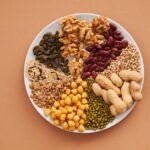
They absolutely do. Nuts and seeds are among the most antioxidant-dense foods available. Walnuts and pecans test especially high. Sunflower seeds are a strong source of vitamin E, which is the main fat-soluble antioxidant in the body. Flaxseeds and chia seeds contain lignans, a type of antioxidant that also has mild hormone-like effects.
Whole grains are less concentrated than berries or nuts, but they matter because people eat them in larger quantities. Oats, brown rice, and whole wheat contain phenolic acids, a class of antioxidants that is well absorbed. Refined grains like white rice and white bread have had most of these compounds stripped away during processing.
Legumes deserve special mention. Beans, lentils, and chickpeas are rich in flavonoids and other antioxidants. They also provide fiber, which supports the gut bacteria that help your body recycle antioxidants. This is one reason beans are consistently linked to better health outcomes in large population studies.
What About Beverages?
Some drinks are major antioxidant sources. Coffee is the single largest source of antioxidants in the American diet, according to several surveys. This is not because coffee is the most concentrated source, but because so many people drink it daily. Green tea is another strong source, particularly of catechins, a type of flavonoid.
Red wine contains resveratrol and other polyphenols, but the evidence for health benefits from alcohol is mixed. If you do not drink, there is no reason to start for the antioxidants. You can get the same compounds from red grapes and grape juice without the alcohol.
Fruit juices can provide antioxidants, but they also concentrate sugar. Eating whole fruit is generally better because you get the fiber and less sugar per serving. If you do drink juice, look for 100% juice without added sugar.
Do Antioxidant Supplements Work as Well as Food?
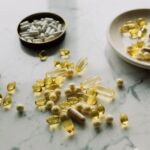
No. This is one of the most important points to understand about antioxidants. Large clinical trials have repeatedly failed to show that antioxidant supplements prevent disease. Some trials even found harm. For example, high-dose beta-carotene supplements increased lung cancer risk in smokers in a major study.
Food is different. Whole foods contain hundreds of antioxidant compounds that work together in ways that isolated supplements do not replicate. The fiber in food slows sugar absorption. The mix of antioxidants may be more effective than any single one. And food does not carry the risk of getting too much of one nutrient.
There are a few exceptions where supplements are medically indicated, such as vitamin C for scurvy or specific vitamins for diagnosed deficiencies. But for general health, the evidence consistently points to food as the superior source. The National Institutes of Health and other major health bodies recommend getting antioxidants from food rather than supplements.
How Much Do You Need Each Day?
There is no official recommended daily allowance for total antioxidants because they are not a single nutrient. Instead, health guidelines focus on eating a varied diet rich in plant foods. The general advice is to eat at least five servings of fruits and vegetables per day, with more being better.
One practical approach is to aim for a colorful plate. Different colors in plant foods generally indicate different antioxidant types. Red, orange, yellow, green, blue, and purple each bring something different. Eating across the color spectrum is a simple way to maximize your antioxidant intake without tracking specific nutrients.
It is also worth noting that antioxidant needs can increase under certain conditions. Smokers, people with chronic inflammatory conditions, and those exposed to high levels of environmental pollution may have higher needs. But even in these cases, the recommendation remains the same: more plant foods, not supplements.
Frequently Asked Questions
Which food has the highest antioxidants?
Small red beans, wild blueberries, and pecans consistently test highest in laboratory antioxidant capacity measurements. Dark chocolate with high cocoa content also ranks near the top.
Are frozen berries as antioxidant-rich as fresh ones?
Yes. Frozen berries are typically picked at peak ripeness and frozen quickly, which preserves their antioxidant content. In many cases, frozen berries test equal to or higher than fresh berries that have sat in storage for days.
Do antioxidant supplements prevent disease?
Clinical trials have not shown that antioxidant supplements prevent heart disease, cancer, or other chronic conditions. Some high-dose supplements have even been linked to harm, so food remains the recommended source.
Can you get too many antioxidants from food?
No known risk exists from eating antioxidant-rich foods. Your body absorbs only what it needs from food and excretes the rest. The same is not true for supplements, where high doses can be toxic.
