
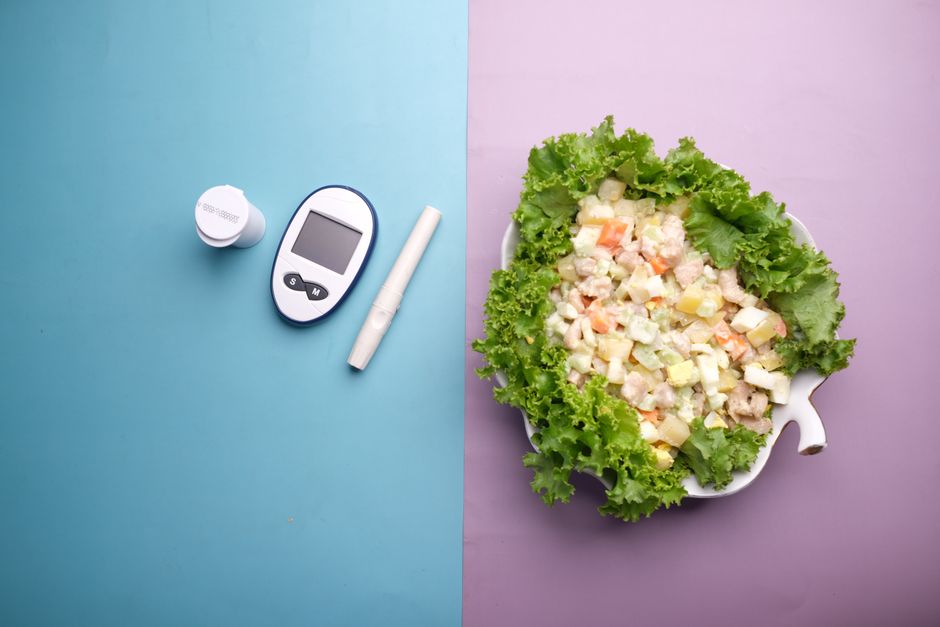
If you have prediabetes, the foods most likely to push your blood sugar higher are sugary drinks, refined white carbohydrates, processed snacks, and anything with added sugar in large amounts. These foods cause rapid spikes in blood glucose because your body digests them quickly. The goal is not to eliminate every food you enjoy. It is to understand which foods work against your blood sugar control and which ones help stabilize it. Research from the CDC and major medical institutions shows that cutting back on these specific foods can significantly lower your risk of progressing to type 2 diabetes.
What Are the Worst Drinks for Prediabetes?
Sugary drinks are arguably the single biggest dietary problem for people with prediabetes. A 12-ounce can of soda contains about 39 grams of sugar — roughly 10 teaspoons. That sugar hits your bloodstream almost instantly because liquid sugar requires no digestion. Your pancreas has to release a large amount of insulin very quickly to handle it. Over time, this constant demand wears out your insulin-producing cells.
Fruit juice is not much better. Even 100% fruit juice without added sugar is high in natural sugars like fructose. A glass of orange juice has about 20 grams of sugar. The fiber that normally slows sugar absorption is gone when you juice fruit. The American Diabetes Association advises that people with prediabetes should avoid sugary drinks entirely. Water, unsweetened tea, and black coffee are better choices. Diet soda is a debated topic — some studies suggest it may still affect insulin response, but the evidence is not as strong as it is for sugary drinks.
Sports drinks and sweetened coffee beverages are also problematic. A medium flavored latte from a coffee shop can contain 30 to 50 grams of sugar. That is more sugar than a candy bar. If you drink these regularly, you are repeatedly spiking your blood sugar throughout the day. The simplest change you can make is to switch to water or unsweetened beverages. It has a bigger impact than almost any other single dietary change.
Which Refined Carbohydrates Should You Avoid?
Refined carbohydrates are grains that have been processed to remove the fiber and bran. White bread, white rice, white pasta, and most breakfast cereals fall into this category. Without fiber, your body breaks these carbohydrates down into sugar very quickly. Eating a white bagel can raise blood sugar as much as eating a candy bar for some people. The glycemic index of these foods is high, meaning they cause a rapid spike in blood glucose.
Whole grain versions are better because they retain fiber. Fiber slows down digestion and prevents sharp blood sugar spikes. Brown rice, whole wheat bread, quinoa, and oats are smarter choices. But even whole grains need to be eaten in reasonable portions. A cup of cooked brown rice still contains about 45 grams of carbohydrates. Portion control matters regardless of whether the grain is refined or whole.
Many breakfast cereals marketed as “healthy” are actually refined carbohydrates with added sugar. Granola, flavored oatmeal packets, and corn flakes are common offenders. Check the nutrition label. If a cereal has more than 5 grams of sugar per serving, it is not a good choice for prediabetes. Steel-cut oats or plain rolled oats with no added sugar are a better option. You can add berries or nuts for flavor without spiking your blood sugar.
What About Processed Snacks and Baked Goods?
Processed snacks like chips, crackers, pretzels, and cookies are designed to be hyper-palatable. They combine refined flour, sugar, and unhealthy fats. These foods are low in fiber, protein, and healthy fats — the nutrients that help stabilize blood sugar. Eating them leads to a quick rise in glucose followed by a crash. That crash often triggers hunger and cravings for more unhealthy food.
Baked goods such as muffins, doughnuts, pastries, and cakes are especially bad. They contain both refined flour and added sugar, often in large amounts. A single store-bought muffin can contain 30 to 40 grams of carbohydrates and 15 to 20 grams of sugar. That is essentially a dessert masquerading as breakfast. The combination of sugar and refined flour creates a powerful blood sugar spike that is hard for your body to manage.
Crackers are another hidden source of trouble. Many people think crackers are a healthy snack, but most are made from white flour and contain added sugar or high-fructose corn syrup. Even “whole wheat” crackers often have refined flour as the first ingredient. Read the ingredient list. If the first ingredient is not a whole grain, it is not a whole grain product. Your best snacks for prediabetes are whole foods: nuts, seeds, vegetables, hard-boiled eggs, or Greek yogurt.





Does Fruit Need to Be Avoided Entirely?
This is a common concern, and the answer is no — you do not need to avoid fruit. Whole fruits contain fiber, water, and various nutrients that slow down sugar absorption. An apple has about 25 grams of carbohydrates, but it also has 4 grams of fiber. That fiber blunts the blood sugar response. Eating a whole apple is very different from drinking apple juice. The fiber makes the difference.
Some fruits are better choices than others. Berries, cherries, apples, pears, and citrus fruits have a lower glycemic impact. They are rich in fiber and antioxidants. Bananas, grapes, mangoes, and pineapple are higher in sugar and should be eaten in smaller portions. A small banana is fine. A large banana with a bowl of cereal adds up quickly. Dried fruit is concentrated sugar and should be limited. A handful of raisins has about the same sugar content as a handful of candy.
The key is to eat fruit in its whole form and in reasonable amounts. One serving of fruit is about the size of your fist. Two to three servings per day is generally fine for most people with prediabetes. Pairing fruit with a protein or fat source, like apple slices with peanut butter, further slows sugar absorption. This combination keeps your blood sugar more stable than eating fruit alone.
What Foods Are Often Misunderstood as Healthy?
Several foods have a “health halo” that does not match reality. Flavored yogurt is a prime example. Many fruit yogurts contain 15 to 20 grams of added sugar per serving — more sugar than a serving of ice cream. Plain Greek yogurt is a much better choice. It is high in protein and low in sugar. You can add fresh fruit for sweetness without the added sugar.
Granola bars and protein bars are another category to watch. Many are essentially candy bars with a health label. They often contain oats or whole grains, but they also have added sugars, syrups, and dried fruit. Check the sugar content. If a bar has more than 10 grams of sugar, it is not a healthy snack for prediabetes. Look for bars with at least 5 grams of fiber and less than 5 grams of sugar.
Low-fat and fat-free products are frequently loaded with added sugar to compensate for the lack of fat. Fat provides flavor and texture. When manufacturers remove fat, they often add sugar to make the product taste good. This applies to salad dressings, peanut butter, and many snack foods. Full-fat versions in moderation are often better for blood sugar control because fat slows digestion. The exception is saturated fat from processed meats, which has its own health risks.
What Does Research on Prediabetes and Diet Show?
The Diabetes Prevention Program, a major clinical trial funded by the National Institutes of Health, showed that lifestyle changes can reduce the risk of progressing to type 2 diabetes by 58%. The dietary changes focused on reducing total fat and calorie intake, but more importantly, they emphasized cutting back on sugary drinks and refined carbohydrates. The study found that losing just 5 to 7% of body weight — about 10 to 14 pounds for a 200-pound person — had a significant impact on blood sugar levels.
Research published in the journal Diabetes Care has shown that replacing refined grains with whole grains improves insulin sensitivity. Another study in The American Journal of Clinical Nutrition found that reducing sugary drink consumption led to lower fasting blood sugar levels within two weeks. The evidence is consistent: the foods that spike blood sugar the most are the ones to limit or avoid.
It is worth noting that there is no single “prediabetes diet” that works for everyone. Some people do well with a lower-carbohydrate approach. Others find that a Mediterranean-style diet rich in vegetables, lean protein, and healthy fats works best. The common thread across all effective diets is the reduction of added sugars and refined carbohydrates. That is the one change that virtually every study agrees on.
| Food Category | Examples to Avoid | Better Alternatives |
|---|---|---|
| Sugary Drinks | Soda, fruit juice, sweet tea, sports drinks | Water, unsweetened tea, black coffee |
| Refined Carbs | White bread, white rice, white pasta, sugary cereal | Whole wheat bread, brown rice, quinoa, oats |
| Processed Snacks | Chips, crackers, cookies, pastries | Nuts, seeds, vegetables, hard-boiled eggs |
| High-Sugar Fruits | Dried fruit, bananas (large), grapes (large portions) | Berries, apples, pears, citrus |
| Mislabeled “Healthy” Foods | Flavored yogurt, granola bars, low-fat dressings | Plain Greek yogurt, whole fruit, olive oil dressing |
Common Misconceptions About What Foods To Avoid If You Are Prediabetic
A widespread myth is that all carbohydrates are bad for prediabetes. That is not true. Carbohydrates are your body’s main energy source. The problem is not carbohydrates in general — it is the type and amount. Whole food sources of carbohydrates like vegetables, legumes, and whole grains provide fiber, vitamins, and minerals. They are essential for a healthy diet. The foods to avoid are the ones that are highly processed and stripped of fiber.
Another misconception is that fruit is off-limits because it contains sugar. As discussed earlier, whole fruit is not the enemy. The sugar in fruit comes packaged with fiber and water, which slows absorption. The real problem is fruit juice and dried fruit, which concentrate the sugar and remove the fiber. Eating a whole orange is fine. Drinking a glass of orange juice is not. This distinction matters because many people unnecessarily cut out healthy foods.
Some people believe that “natural” sugars like honey, maple syrup, or agave are healthier than white sugar. They are not. Your body metabolizes these sugars in almost the same way. They still raise blood sugar and contribute to insulin resistance. A teaspoon of honey has about 21 calories and 6 grams of sugar — nearly identical to white sugar. The term “natural” does not mean it is safe for blood sugar control. All added sugars, regardless of source, should be limited.
Frequently Asked Questions
Can I ever eat white rice if I have prediabetes?
Yes, but only in small portions and paired with protein, fiber, and healthy fats to slow digestion. A half-cup serving is reasonable.
Is dark chocolate okay for prediabetes?
Dark chocolate with at least 70% cocoa is lower in sugar and may have some benefits, but limit to one or two small squares per serving.
Do artificial sweeteners affect blood sugar?
Most artificial sweeteners do not raise blood sugar directly, but some studies suggest they may affect gut bacteria or cravings. Moderation is wise.
How quickly can diet changes improve prediabetes?
Some people see lower fasting blood sugar within two to four weeks of cutting sugary drinks and refined carbs. Weight loss takes longer but has lasting effects.
