
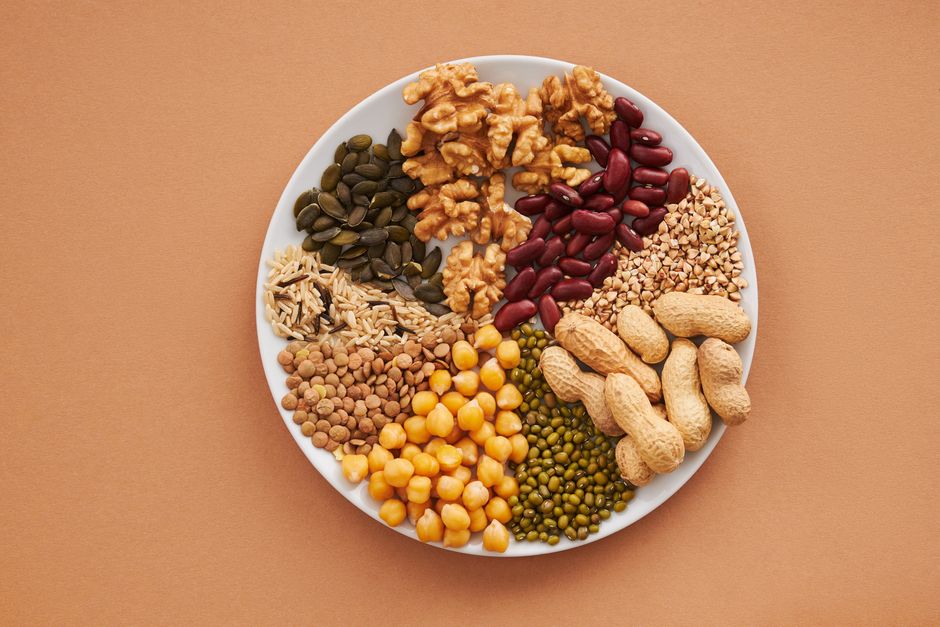
If you want to know which foods have the most protein, the short answer is animal products like chicken breast, beef, fish, eggs, and dairy lead the list. Plant options like lentils, chickpeas, tofu, and seitan also pack a serious punch. This guide compares the top protein sources by grams per serving so you can make the choice that fits your diet and lifestyle.
What Is the Difference Between Animal and Plant Protein?
Animal proteins are considered complete because they contain all nine essential amino acids your body cannot make on its own. Chicken, beef, fish, eggs, and dairy are examples. Your body uses these amino acids to build muscle, repair tissue, and produce enzymes.
Plant proteins are usually incomplete, meaning they lack one or more essential amino acids. Soy foods like tofu and edamame are a notable exception. Most other plant sources need to be combined with other foods over the course of a day to cover all amino acid needs. This is not difficult to do, but it is something to be aware of if you eat little or no animal protein.
Research published in the American Journal of Clinical Nutrition found that the body absorbs animal protein more efficiently than plant protein. The difference matters most for older adults and athletes who need to maximize muscle repair. For most people, eating a variety of protein sources throughout the day solves this problem completely.
Which Animal Foods Have the Most Protein Per Serving?
Chicken breast is the standard for high protein. A 3-ounce cooked portion provides about 26 grams of protein with very little fat. Turkey breast is similar with about 25 grams per 3 ounces. Both are lean and versatile.
Beef varies by cut. A 3-ounce serving of cooked lean sirloin steak gives you about 25 grams of protein. Ground beef with 90 percent lean meat offers roughly 22 grams per 3 ounces. Fish like tuna and salmon deliver around 22 grams per 3-ounce serving, plus healthy omega-3 fats that support heart and brain health.
Eggs are a complete protein source. One large egg contains about 6 grams of protein. Eating three eggs gives you 18 grams, which is comparable to a small serving of meat. Greek yogurt is another standout. A single 6-ounce container of plain nonfat Greek yogurt has 15 to 18 grams of protein, roughly double the amount in regular yogurt.
Cottage cheese is often overlooked. One cup of low-fat cottage cheese provides about 28 grams of protein. That is more per cup than most meats per 3 ounces. It is also a good source of calcium for bone health.
| Food | Protein (grams) |
|---|---|
| Chicken breast (cooked) | 26 |
| Turkey breast (cooked) | 25 |
| Lean sirloin steak (cooked) | 25 |
| Tuna (canned in water) | 22 |
| Salmon (cooked) | 22 |
| Ground beef (90% lean) | 22 |
| Pork chop (cooked) | 22 |
| Greek yogurt (6 oz) | 15-18 |
| Cottage cheese (1 cup) | 28 |
| Eggs (3 large) | 18 |
Which Plant Foods Have the Most Protein Per Serving?
Seitan, made from wheat gluten, is the highest plant protein source. A 3-ounce serving provides about 21 grams of protein. It has a meaty texture and works well in stir-fries or sandwiches. People with celiac disease or gluten sensitivity should avoid it.
Tofu and edamame are both made from soybeans and provide complete protein. Half a cup of firm tofu has about 10 grams of protein. One cup of cooked edamame offers roughly 17 grams. Tempeh, which is fermented soybeans, contains about 15 grams per half cup. Tempeh also has a firmer texture and a nutty flavor.
Lentils are a protein powerhouse among legumes. One cup of cooked lentils provides about 18 grams of protein along with 15 grams of fiber. Chickpeas and black beans each offer around 15 grams per cooked cup. These are also high in carbohydrates, so they are not a pure protein source like chicken breast.
Pumpkin seeds and hemp seeds are concentrated plant proteins. A quarter cup of pumpkin seeds contains about 9 grams of protein. The same amount of hemp seeds provides 10 grams. These are easy to add to oatmeal, salads, or yogurt.
- Seitan: 21g per 3 oz
- Edamame: 17g per cup (cooked)
- Lentils: 18g per cup (cooked)
- Tempeh: 15g per ½ cup
- Chickpeas: 15g per cup (cooked)
- Tofu: 10g per ½ cup
- Hemp seeds: 10g per ¼ cup
- Pumpkin seeds: 9g per ¼ cup


How Much Protein Do You Actually Need Each Day?
The Recommended Dietary Allowance set by the National Academies is 0.36 grams of protein per pound of body weight. For a 150-pound adult, that is about 54 grams per day. This number is the minimum needed to prevent deficiency, not an optimal target for everyone.
Research from the International Society of Sports Nutrition suggests that active adults need more. For people who exercise regularly, 0.55 to 0.9 grams per pound of body weight is a better range. A 150-pound person who works out would aim for 82 to 135 grams daily. Older adults also benefit from higher protein intake to slow age-related muscle loss.
Spreading protein across meals matters. The body uses protein more efficiently when you eat 20 to 30 grams at each meal rather than loading up at dinner. This pattern supports muscle protein synthesis throughout the day. A breakfast with eggs or yogurt, a lunch with chicken or lentils, and a dinner with fish or beef easily meets this goal.
What Are the Most Common Protein Myths to Ignore?
The idea that plant protein cannot build muscle is false. Research published in the Journal of the International Society of Sports Nutrition found that plant-based diets can support muscle growth as long as total protein intake is adequate. The key is eating enough total protein and a variety of plant sources to cover amino acids.
Another myth is that you need protein powder to get enough protein. Whole foods provide protein along with fiber, vitamins, and minerals that supplements do not. Protein powder is convenient but not necessary. A chicken breast, a cup of lentils, or a serving of Greek yogurt are just as effective for most people.
Some people believe that eating too much protein damages your kidneys. This is only a concern for people with existing kidney disease. For healthy individuals, the kidneys handle extra protein without issue. The National Kidney Foundation states that high-protein diets are safe for people with normal kidney function. If you have kidney disease, talk to your doctor before increasing protein.
The claim that you must eat protein within 30 minutes after a workout is overblown. The window for muscle repair is actually several hours. Eating a protein-rich meal within two hours after exercise is sufficient for most people. Do not stress over timing if you are eating balanced meals throughout the day.
Which Foods Have The Most Protein When You Compare Cost and Convenience?
Eggs are one of the cheapest protein sources. A dozen large eggs costs about two to three dollars and provides roughly 72 grams of total protein. That is 2 to 3 cents per gram of protein. Canned tuna and chicken breast are also cost-effective when bought in bulk or on sale.
Lentils and dried beans are the most affordable plant options. A one-pound bag of lentils costs around one to two dollars and provides about 100 grams of protein once cooked. That is roughly 1 to 2 cents per gram. They also have a long shelf life and require no refrigeration.
Greek yogurt and cottage cheese are mid-range in cost but offer convenience. They require no cooking and are easy to eat as a snack or meal base. Protein powders are the most expensive per gram and should be seen as a supplement, not a replacement for whole foods. Compare labels to find options with minimal added sugars and artificial ingredients.
Frequently Asked Questions
What food has the highest protein per 100 grams?
Chicken breast has about 31 grams of protein per 100 grams when cooked. Seitan follows closely with about 25 grams per 100 grams.
Can you get enough protein from plants alone?
Yes, you can get enough protein from plants if you eat a variety of sources like lentils, tofu, tempeh, and seeds throughout the day. Soy foods are complete proteins and make this easier.
How much protein is in a single egg?
One large egg contains about 6 grams of protein. Most of the protein is in the egg white, but the yolk also contains some along with healthy fats.
Is protein powder better than whole food protein?
Whole food protein is better for most people because it provides additional nutrients like fiber, vitamins, and minerals. Protein powder is a convenient option but not superior.
