
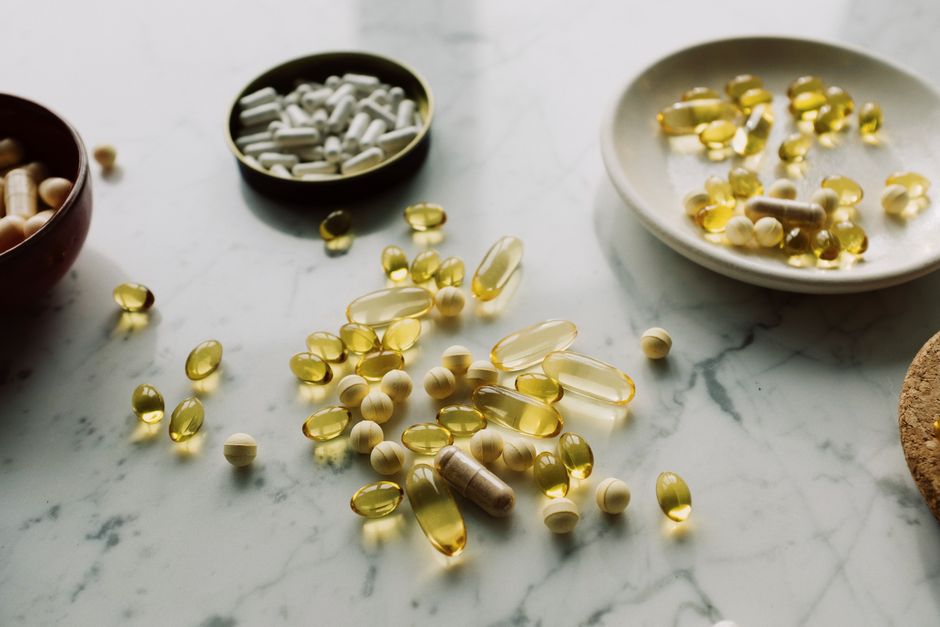
Vitamin D is not found in many foods naturally. Fatty fish like salmon, mackerel, and sardines are the best natural sources. Egg yolks, beef liver, and some mushrooms exposed to UV light also contain small amounts. Most people get vitamin D from fortified foods like milk, orange juice, and breakfast cereals. Sunlight remains the primary source for most people, but food can help fill the gap.
Why is vitamin D so important?
Vitamin D helps your body absorb calcium. Without enough vitamin D, your bones can become thin and brittle. This is why severe deficiency leads to rickets in children and osteomalacia in adults. Both are bone-softening diseases.
Research published in the Journal of the American Medical Association has linked low vitamin D to higher risks of infections, mood disorders, and some autoimmune conditions. The evidence for these links is not as strong as for bone health. But the pattern is consistent enough that doctors take low levels seriously.
The National Institutes of Health recommends 600 IU per day for adults up to age 70. After 70, the recommendation rises to 800 IU. Many experts think these numbers are too low, especially for people who get little sun. But they are the official guidelines as of 2026.
What are the foods contain vitamin D naturally?
Only a few foods have vitamin D without being fortified. Fatty fish tops the list. A 3.5-ounce serving of cooked salmon provides about 570 IU of vitamin D. That is nearly the full daily recommendation in one meal.
Canned tuna is a more affordable option. A 3.5-ounce serving of light tuna packed in water gives about 150 IU. Albacore tuna has more, around 230 IU. But canned tuna also has mercury concerns, so limit it to a few servings per week.
Mackerel and sardines are also good. One serving of mackerel provides roughly 360 IU. Sardines offer about 270 IU per serving. These fish are also rich in omega-3 fatty acids, which support heart and brain health.
Egg yolks contain vitamin D, but the amount depends on the chicken’s diet and sun exposure. Pasture-raised chickens produce eggs with 3 to 4 times more vitamin D than conventional eggs. One pasture-raised egg yolk provides about 40 to 50 IU. That is not a lot, but every bit helps.
Beef liver is another source. A 3.5-ounce serving of cooked beef liver provides about 50 IU. Liver is also high in vitamin A and iron. But it is not a food most people eat regularly.
Some mushrooms contain vitamin D. But only mushrooms exposed to UV light during growth. Wild mushrooms like maitake and chanterelles are naturally high. A 3.5-ounce serving of UV-exposed portobello mushrooms can provide 375 IU. Button mushrooms grown in the dark have almost none.
What foods are fortified with vitamin D?
Fortification is when vitamins are added to foods that do not naturally contain them. This is how most Americans get vitamin D from food.
Cow’s milk is the most common fortified product. The FDA requires that all milk sold in the US be fortified with vitamin D. One cup provides about 120 IU. Plant-based milks like soy, almond, and oat milk are often fortified too, but check the label. Not all brands do it.
Breakfast cereals are another source. Many cereals are fortified with 40 to 100 IU per serving. The amount varies widely by brand. Cheerios, Total, and Kellogg’s Special K are common examples. Read the nutrition facts panel to be sure.
Orange juice is sometimes fortified. A cup of fortified orange juice can provide 100 to 140 IU. This is helpful for people who do not drink milk. Yogurt and cheese are less commonly fortified, but some brands add vitamin D. Greek yogurt often has more than regular yogurt.
Margarine and some plant-based butter spreads are fortified. A tablespoon can provide about 60 IU. Butter itself is not fortified. Cod liver oil is not a food most people eat, but one tablespoon provides over 1,300 IU. That is more than the daily recommendation for most adults.




How much vitamin D do you actually need from food?
This depends on your sun exposure. If you spend 15 to 30 minutes outside in the middle of the day with arms and legs exposed, your skin makes 10,000 to 20,000 IU of vitamin D. That is far more than food can provide.
But most people do not get that much sun. Sunscreen blocks vitamin D production. Darker skin produces less vitamin D from the same amount of sun. People who live in northern latitudes or who work indoors often have low levels.
Blood tests measure vitamin D status. A level below 20 ng/mL is considered deficient. Levels between 20 and 30 ng/mL are insufficient. Optimal levels are debated, but many experts aim for 30 to 50 ng/mL.
If your blood level is below 30 ng/mL, food alone will not fix it easily. You would need to eat fatty fish every day or drink multiple glasses of fortified milk. Supplements are usually more practical for people with low levels.
For people with adequate sun exposure, food sources are enough to maintain good levels. A serving of fatty fish two or three times per week plus fortified foods throughout the day usually works.
What about vitamin D from sunlight?
Sunlight is the most efficient source of vitamin D. Your skin makes vitamin D when UVB rays hit it. The amount depends on time of day, season, latitude, and skin color.
In most of the US, UVB rays are strong enough for vitamin D production only between 10 a.m. and 3 p.m. from April through October. During winter months, people north of Atlanta get almost no UVB rays. This is called the “vitamin D winter.”
To make vitamin D from sun, expose your arms and legs for about half the time it takes for your skin to turn pink. For fair skin, that is about 10 to 15 minutes. For darker skin, it is 30 minutes or more. After that, apply sunscreen to prevent skin damage.
Do not try to get vitamin D from tanning beds. The World Health Organization classifies tanning beds as carcinogenic. The skin cancer risk outweighs any benefit from vitamin D production.
What are the side effects of too much vitamin D?
Vitamin D toxicity is rare. It almost never happens from food or sun exposure. It only happens from taking high-dose supplements for months.
Toxicity causes hypercalcemia, which is too much calcium in the blood. Symptoms include nausea, vomiting, weakness, and kidney stones. Severe cases can cause kidney failure.
The upper safe limit for adults is 4,000 IU per day from all sources combined. Some people take 5,000 or 10,000 IU daily for months without problems. But this is not recommended without a doctor’s supervision.
If you take a supplement, stick to 600 to 2,000 IU per day unless your doctor prescribes more. Higher doses are sometimes used to correct deficiency quickly, but this should be monitored with blood tests.
Common misconceptions about vitamin D from food
Myth: You can get enough vitamin D from sunlight in winter. In most of the US, you cannot. From November through February, the sun’s angle is too low for UVB rays to reach the ground effectively. Your skin makes little to no vitamin D during these months.
Myth: All mushrooms contain vitamin D. Only mushrooms exposed to UV light during growth have significant amounts. Most grocery store mushrooms are grown in the dark and have almost none. Look for labels that say “UV-treated” or “exposed to ultraviolet light.”
Myth: Fortified foods have enough vitamin D for everyone. One cup of fortified milk has only 120 IU. That is 20% of the daily recommendation. You would need to drink five cups to get the full amount. Fortified foods help, but they are rarely enough on their own for people with low sun exposure.
Myth: Vitamin D from food is better than from supplements. There is no evidence that vitamin D from food is absorbed better than from supplements. Both forms work the same way in the body. The advantage of food is that it comes with other nutrients. The advantage of supplements is that they are more concentrated and consistent.
Frequently Asked Questions
What foods are highest in vitamin D?
Fatty fish like salmon, mackerel, and sardines are highest. A serving of cooked salmon provides about 570 IU. UV-exposed mushrooms and cod liver oil are also very high.
Does milk naturally contain vitamin D?
No. Cow’s milk does not naturally contain vitamin D. In the US, all milk is fortified with vitamin D by law. One cup provides about 120 IU.
Can you get enough vitamin D from food alone?
For most people, no. You would need to eat fatty fish every day or drink several cups of fortified milk. Sunlight or supplements are usually needed to reach optimal levels.
Are eggs a good source of vitamin D?
Egg yolks contain small amounts. One pasture-raised egg yolk provides about 40 to 50 IU. That is less than 10% of the daily recommendation. Eggs help but are not enough on their own.
