
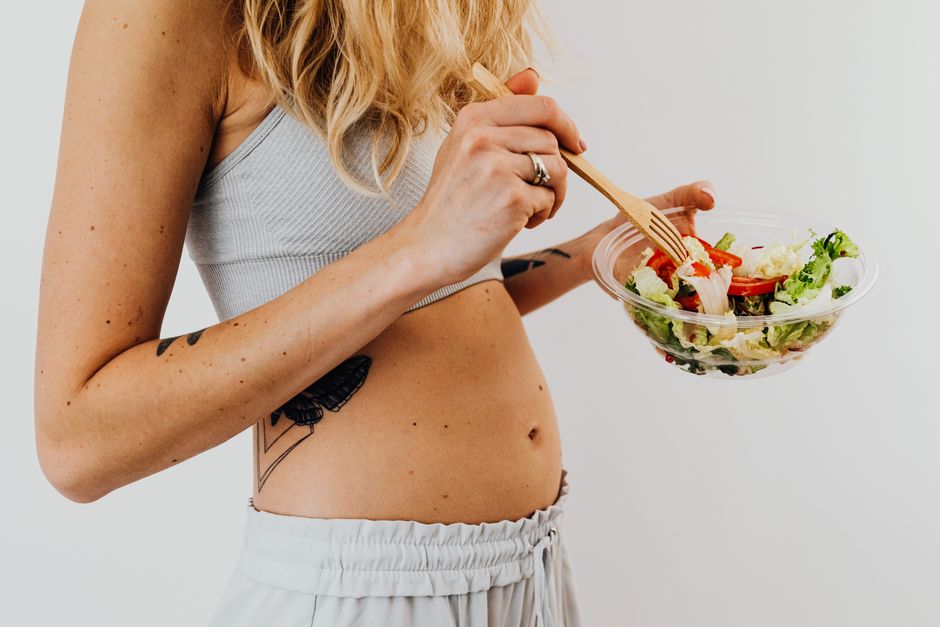
If you have H. pylori, what you eat matters more than most people realize. The best foods help calm your stomach and may even weaken the bacteria. The worst foods feed inflammation and make treatment harder. Stick with broccoli sprouts, fermented foods, and cooked vegetables. Avoid processed meats, alcohol, and spicy dishes.
What Is H. Pylori and Why Does Diet Matter?
Helicobacter pylori is a type of bacteria that lives in the stomach lining. It is surprisingly common. The CDC reports that about two-thirds of the world’s population carries it. Many people never have symptoms. For others, it causes chronic gastritis, ulcers, and raises the risk of stomach cancer.
Doctors usually treat H. pylori with a combination of antibiotics and acid-reducing drugs. This is called triple therapy or quadruple therapy. It works, but antibiotic resistance is a growing problem. Some strains of H. pylori no longer respond to standard antibiotics.
This is where diet comes in. No food can cure H. pylori on its own. But research shows certain foods can inhibit bacterial growth, reduce inflammation, and support the stomach lining. Other foods make symptoms worse or help the bacteria thrive. Knowing the difference gives you an edge.
What Does Research on What To Eat With H Pylori Best And Worst Foods Show?
Several studies have looked at how diet affects H. pylori. The strongest evidence points to sulforaphane, a compound found in broccoli sprouts. A 2009 study published in Cancer Prevention Research found that sulforaphane inhibited H. pylori growth in both lab tests and in mice. Human studies are smaller, but results are promising.
Fermented foods also show benefit. Kimchi, sauerkraut, yogurt, and kefir contain probiotics. These are live bacteria that can compete with H. pylori in the gut. A 2014 review in the World Journal of Gastroenterology found that certain probiotic strains improved eradication rates when used alongside antibiotics.
On the negative side, high-salt diets are a clear risk. A 2016 study in Helicobacter journal found that people who ate a lot of salty foods had higher rates of H. pylori-related stomach damage. Processed meats, pickled foods, and salty snacks fall into this category.
Here is a quick comparison of foods based on current evidence:
| Food Category | Effect on H. Pylori | Strength of Evidence |
|---|---|---|
| Broccoli sprouts | May inhibit bacterial growth | Moderate |
| Fermented foods (yogurt, kimchi) | May improve treatment success | Moderate |
| High-salt foods | Worsens stomach damage | Strong |
| Cooked vegetables | Reduces inflammation | Moderate |
| Spicy foods | Can aggravate symptoms | Weak |
Which Foods Should You Eat With H. Pylori?
Start with broccoli sprouts. You can find them in many grocery stores. Eat them raw or lightly steamed. Aim for a handful a day. They contain high levels of sulforaphane, which research suggests may reduce bacterial load.
Fermented foods are another strong choice. Yogurt with live cultures, kefir, kimchi, and sauerkraut all provide probiotics. Some studies suggest probiotics reduce side effects from antibiotics and improve how well treatment works. A 2019 meta-analysis in Medicine found that adding probiotics to standard therapy increased eradication rates by about 10 to 15 percent.
Cooked vegetables like carrots, zucchini, and green beans are gentle on the stomach. Raw vegetables can be hard to digest if your stomach lining is irritated. Cooking softens the fiber and makes nutrients easier to absorb. Garlic and ginger have some antibacterial properties in lab studies, though human evidence is limited.
Foods rich in vitamin C may help. Oranges, bell peppers, and strawberries support immune function. A 2013 study in Helicobacter found that higher vitamin C intake was linked to lower H. pylori infection rates. The effect is modest but worth including.


Which Foods Should You Avoid With H. Pylori?
High-salt foods are the most consistent concern. Salt damages the stomach lining and makes it easier for H. pylori to cause harm. Avoid processed meats like bacon, ham, and salami. Also limit pickled vegetables, salted fish, and salty snacks like chips and pretzels.
Alcohol is another clear problem. It irritates the stomach lining and can reduce the effectiveness of antibiotic treatment. A 2017 study in BMC Gastroenterology found that people who drank alcohol during treatment had lower eradication rates. It is best to avoid alcohol entirely until treatment is complete.
Spicy foods are tricky. There is no strong evidence that spicy foods make H. pylori worse. But they can cause pain and discomfort if your stomach lining is already inflamed. Many people report that chili peppers, hot sauce, and curry aggravate their symptoms. Listen to your body on this one.
Fried and greasy foods slow digestion and can cause nausea or bloating. They do not directly feed H. pylori, but they make recovery harder. Stick to baked, steamed, or boiled foods while your stomach heals.
What About Supplements and Natural Remedies?
Some natural products are widely promoted for H. pylori but lack strong evidence. Mastic gum is one example. It comes from a tree in Greece. Some small studies suggest it may reduce bacterial levels, but results are inconsistent. A 2010 review in Phytomedicine concluded that mastic gum has a weak antibacterial effect and should not replace standard treatment.
Green tea and manuka honey are also popular. Green tea contains catechins that inhibit H. pylori in lab studies. Manuka honey has antibacterial properties. But neither has been shown to reliably clear an infection in humans. They may help as part of a broader diet, but do not rely on them alone.
Cranberry juice is another common recommendation. Some studies suggest it can prevent H. pylori from sticking to the stomach lining. A 2016 meta-analysis in BMC Complementary and Alternative Medicine found that cranberry juice reduced infection rates in some populations. The effect was small and not consistent across all groups.
Probiotic supplements are worth discussing with your doctor. The evidence is strongest for Lactobacillus and Saccharomyces boulardii strains. These may reduce antibiotic side effects like diarrhea and improve eradication rates. But supplements vary widely in quality. Not all brands contain live bacteria in effective amounts.
As of 2026, there is no clinical evidence that any single supplement can cure H. pylori without antibiotics. Diet supports treatment. It does not replace it.
Practical Tips for Eating With H. Pylori
Eat smaller meals more often. A large meal stretches the stomach and can cause pain. Five or six small meals spread throughout the day are easier to handle. Chew food thoroughly to reduce the work your stomach has to do.
Drink water between meals, not during them. Drinking with food dilutes stomach acid and can slow digestion. Wait 30 minutes after eating before drinking a full glass of water. This helps your stomach maintain the acidic environment it needs to process food.
Avoid eating late at night. Lying down with a full stomach increases acid reflux and discomfort. Finish your last meal at least three hours before bed. This gives your stomach time to empty partially before you lie down.
Keep a food diary. Track what you eat and how you feel afterward. Patterns will emerge. You might find that dairy bothers you even though it is not on any avoid list. Or that a certain vegetable causes bloating. Everyone’s stomach is different, especially when inflamed.
Be patient. Treatment for H. pylori usually lasts 10 to 14 days. Follow your doctor’s instructions completely. Finish all antibiotics even if you feel better. Diet changes should continue for a few weeks after treatment to allow the stomach lining to heal fully.
Common Misconceptions About H. Pylori Diet
One common myth is that you must avoid all acidic foods. Citrus fruits, tomatoes, and coffee are often blamed. But there is no good evidence that these foods make H. pylori worse. They can cause heartburn in some people, but they do not feed the bacteria or prevent healing.
Another myth is that probiotics alone can cure the infection. Probiotics are helpful, but they do not kill H. pylori effectively on their own. They work best as a support to antibiotics. Do not skip your prescribed medication in favor of yogurt or supplements.
Some people believe that H. pylori is harmless and does not need treatment. This is false. The World Health Organization classifies H. pylori as a Group 1 carcinogen, meaning it is known to cause cancer in humans. Not everyone with the bacteria develops cancer, but the risk is real. Treatment is recommended for anyone with symptoms or a confirmed diagnosis.
A final misconception is that diet alone can cure the infection after antibiotics fail. If standard treatment does not work, your doctor will likely prescribe a different combination of drugs. Diet can support this second round, but it cannot replace it. Resistance is a medical problem that requires a medical solution.
Frequently Asked Questions
Can I eat yogurt if I have H. pylori?
Yes, yogurt with live cultures is a good choice. It provides probiotics that may improve treatment success and reduce side effects.
Is coffee bad for H. pylori?
There is no strong evidence that coffee makes H. pylori worse. Some people find it causes heartburn, so adjust based on your own symptoms.
How long should I follow a special diet for H. pylori?
Follow a stomach-friendly diet during your antibiotic treatment and for at least two weeks after. This gives your stomach lining time to heal.
Can I drink alcohol while treating H. pylori?
No, alcohol should be avoided during treatment. It irritates the stomach lining and can reduce how well antibiotics work.
