
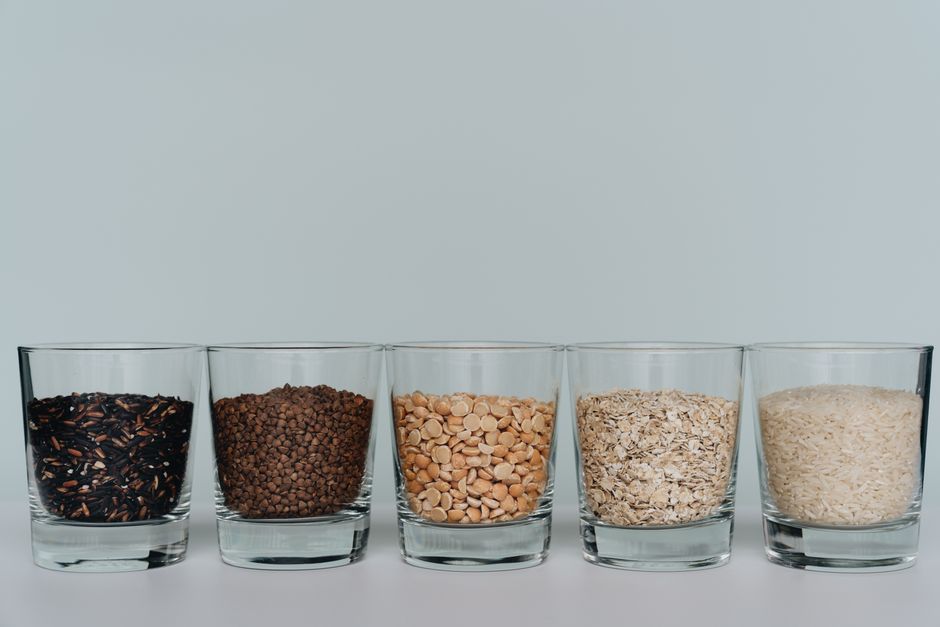
Probiotics are live beneficial bacteria, and prebiotics are the fiber those bacteria eat. Fermented foods like yogurt, kefir, sauerkraut, and kimchi are rich sources of probiotics. Prebiotics come from fiber-rich plant foods like garlic, onions, bananas, oats, and apples. Eating both together—known as synbiotics—is the most effective way to support a healthy gut microbiome.
What Is the Difference Between Prebiotics and Probiotics?
Probiotics are living microorganisms. When you consume enough of them, they can provide health benefits. Most probiotics are bacteria, though some are yeasts. They are found naturally in fermented foods and are also added to supplements.
Prebiotics are not alive. They are types of fiber that your body cannot digest. Instead of being broken down in your stomach, they travel to your colon. There, they serve as food for the beneficial bacteria already living in your gut.
Think of it this way: probiotics are the new workers you bring in, and prebiotics are the fuel they need to do their job. Research published in the journal Nutrients confirms that both are needed for a balanced gut microbiome. Without prebiotics, probiotic bacteria have little to feed on and may not survive long in your digestive tract.
What Foods Contain Prebiotics And Probiotics Together?
Some foods naturally contain both prebiotics and probiotics. These are called synbiotic foods. They are the most efficient way to support gut health because they deliver live bacteria and the fuel those bacteria need in one package.
Kefir is a fermented milk drink. It contains multiple strains of probiotic bacteria and yeast. It also contains small amounts of prebiotic compounds from the fermentation process. Yogurt is similar, though kefir typically has more diverse strains.
Some fermented vegetables also qualify. Kimchi, a Korean dish made from fermented cabbage and radishes, contains probiotic lactic acid bacteria. The vegetables themselves provide fiber, including prebiotic types. Sauerkraut, fermented cabbage, works the same way. The key is that these foods must be unpasteurized. Pasteurization kills the live bacteria.
Certain cheeses, like Gouda and cheddar, contain probiotics. They are less well studied than yogurt and kefir, but evidence suggests some strains survive the cheese-making process. They do not contain significant prebiotics.
Which Foods Are Highest in Probiotics?
Fermented foods are the primary dietary source of probiotics. The concentration and strain variety vary widely between foods.
- Yogurt: Look for labels that say “live and active cultures.” Not all yogurt contains them. Some commercial yogurts are heat-treated after fermentation, which kills the bacteria.
- Kefir: A fermented milk drink. It contains more bacterial strains than yogurt, often including Lactobacillus and Bifidobacterium species.
- Kombucha: A fermented tea. It contains bacteria and yeast. The specific strains vary by brand and batch.
- Miso: A fermented soybean paste used in Japanese cooking. It contains the probiotic strain Aspergillus oryzae.
- Tempeh: Fermented soybeans. It contains a mold-based culture and is also a good protein source.
- Raw, unpasteurized sauerkraut and kimchi: These contain lactic acid bacteria. The brine they are stored in also contains these organisms.
- Certain soft cheeses: Gouda, cheddar, and cottage cheese may contain probiotics, but this is less consistent than in yogurt or kefir.
No clinical guidelines exist for how much probiotic food you should eat daily. The evidence shows that regular consumption is more important than a specific serving size. Some research suggests that eating a variety of fermented foods increases the diversity of your gut microbiome, which is generally considered beneficial.
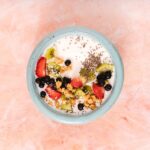

Which Foods Are Highest in Prebiotics?
Prebiotics are types of fiber. The most common ones are inulin, fructooligosaccharides (FOS), and galactooligosaccharides (GOS). These fibers are found in many plant foods.
- Garlic: Contains inulin and FOS. Even small amounts provide prebiotic fiber.
- Onions: Similar to garlic, they contain inulin and FOS. They also contain quercetin, an antioxidant.
- Leeks: A close relative of onions, with similar prebiotic content.
- Asparagus: Contains inulin. Cooking does not destroy the prebiotic fiber.
- Bananas: Especially slightly green bananas. They contain resistant starch and small amounts of inulin.
- Oats: Whole oats contain beta-glucan, a type of soluble fiber with prebiotic properties.
- Apples: Contain pectin, a soluble fiber that feeds beneficial bacteria. The skin has the highest concentration.
- Jerusalem artichokes: Sometimes called sunchokes. They are one of the richest sources of inulin available.
- Chicory root: Often used as a coffee substitute or additive. It is a concentrated source of inulin.
Whole grains like barley and rye also contain prebiotic fibers. Legumes, including beans, lentils, and chickpeas, provide resistant starch and other fermentable fibers. The general principle is simple: plant foods with fiber are likely to have prebiotic effects.
How Do Prebiotics and Probiotics Work in the Gut?
Your large intestine contains trillions of bacteria. These bacteria break down undigested fiber through a process called fermentation. This process produces short-chain fatty acids, including butyrate, acetate, and propionate.
Butyrate is particularly important. It is the primary energy source for the cells lining your colon. Research consistently shows that butyrate supports the intestinal barrier, which helps keep harmful substances from entering your bloodstream. The fermentation process also creates an acidic environment in the colon, which discourages the growth of pathogenic bacteria.
When you eat probiotics, they must survive stomach acid and digestive enzymes to reach the colon. Not all strains survive equally. That is why dietary sources matter—they deliver bacteria in a food matrix that can improve survival compared to some supplements.
Prebiotics work differently. They do not need to survive anything. They simply pass through the upper digestive tract intact and reach the colon, where they feed resident bacteria. This is why prebiotic intake is more reliable than probiotic intake for changing the gut environment.
Should You Take Probiotic and Prebiotic Supplements?
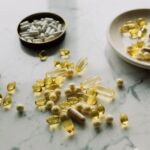
Food sources are generally preferred over supplements. Whole foods provide a complex mix of nutrients, fiber, and bioactive compounds that supplements cannot replicate. The evidence base for food-based probiotics is stronger than for most supplements.
That said, supplements have a place. Some people have conditions that make it hard to eat fermented foods. Others may want targeted strains for specific health concerns. The evidence for probiotic supplements is strain-specific. A supplement that works for one condition may not work for another.
Prebiotic supplements, such as inulin powder, can cause gas and bloating, especially when started at high doses. The same is true when you suddenly increase fiber-rich foods. Start slowly and increase gradually. This allows your gut bacteria to adapt.
No large human trials have confirmed that supplements are superior to foods for general gut health. For most people, increasing dietary sources is the safer, better-supported approach.
What Happens When You Eat More Prebiotic and Probiotic Foods?
The effects vary from person to person. Your baseline diet, genetics, and existing gut microbiome all influence how you respond. Some people notice changes within days. Others take weeks to see a difference.
Common reported effects include improved digestion and more regular bowel movements. Some research suggests that a diet rich in fermented foods can reduce markers of inflammation. A notable study from Stanford University found that a diet high in fermented foods increased microbiome diversity and decreased inflammatory markers over a 10-week period.
Gas and bloating are common when you first increase these foods. This is a sign that your gut bacteria are actively fermenting the fiber. It usually subsides as your microbiome adapts. If symptoms persist or are severe, reduce the amount and reintroduce it more slowly.
Who Should Be Cautious With These Foods?
Most people can safely eat prebiotic and probiotic foods. There are exceptions.
People with compromised immune systems—such as those undergoing chemotherapy, organ transplant recipients, or people with advanced HIV—should be cautious with live probiotic foods. In rare cases, live bacteria can cause infections in these populations. Discuss it with your doctor first.
People with irritable bowel syndrome (IBS) may react to certain prebiotic fibers. Foods high in FODMAPs, which include many prebiotic sources like garlic, onions, and wheat, can trigger symptoms. Some research suggests that certain probiotic strains, particularly Bifidobacterium, may help IBS symptoms. The evidence is mixed, and results vary by individual.
Infants and very young children should not be given unpasteurized fermented foods. Their immune systems are still developing. Standard yogurt and formula are appropriate, but raw fermented products carry unnecessary risk.
How to Add These Foods to Your Daily Diet
Start with one change. Add a serving of yogurt or kefir to your breakfast. Or include a side of sauerkraut with lunch. Small, consistent changes are more sustainable than overhauling your diet overnight.
Pair probiotic foods with prebiotic foods at the same meal. Add sliced banana to your yogurt. Put sauerkraut on a sandwich made with whole-grain bread. Top oatmeal with chopped apples. This combination gives the probiotic bacteria immediate fuel.
Choose plain, unsweetened versions of yogurt and kefir. Flavored versions often contain high amounts of added sugar, which can feed less beneficial bacteria. If you need sweetness, add fresh fruit yourself.
Check labels on fermented foods. The word “pasteurized” means the live bacteria have been killed. “Raw” or “unpasteurized” means the probiotics are intact. For yogurt, look for the “live and active cultures” seal.
Rotate your sources. Different fermented foods contain different bacterial strains. Different plant foods contain different prebiotic fibers. Variety in your diet leads to variety in your microbiome, which is the goal.
Frequently Asked Questions
Can I eat too many probiotic foods?
Most healthy adults can eat fermented foods daily without problems. Excessive intake may cause gas, bloating, or digestive discomfort, so start with small amounts and increase gradually.
Do I need both prebiotics and probiotics?
Yes, they work together. Probiotics introduce beneficial bacteria, and prebiotics feed them so they can survive and multiply in your gut.
Are probiotic supplements better than food sources?
No evidence shows supplements are superior to food. Fermented foods provide a complex mix of strains, nutrients, and bioactive compounds that supplements cannot fully replicate.
How long until I notice a difference?
Some people notice digestive changes within days, while others take several weeks. Consistency matters more than quantity, and effects vary based on your starting gut health.
