
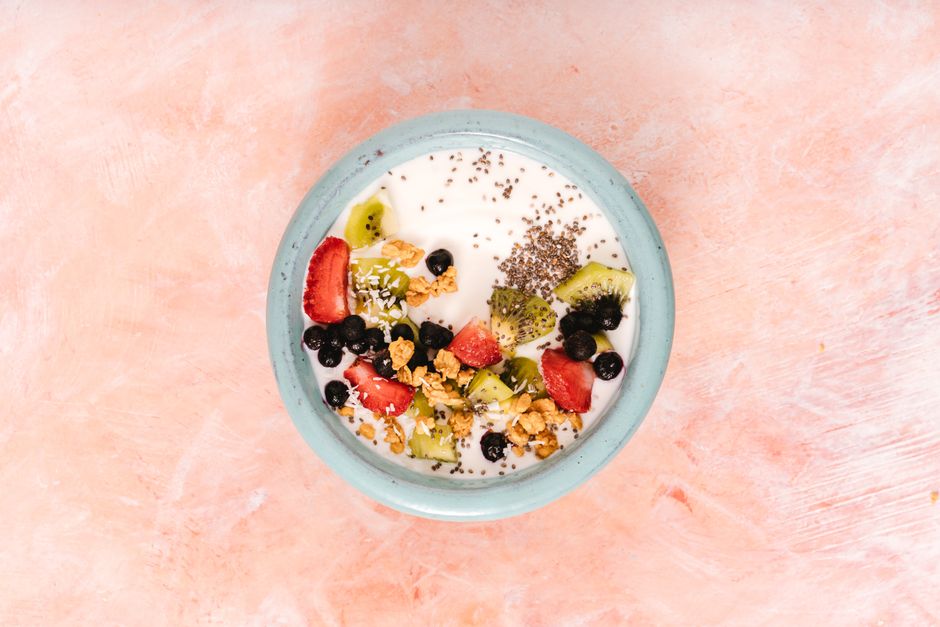
Probiotics are live microorganisms that can benefit your health when you consume enough of them. Many fermented foods naturally contain these helpful bacteria. Common probiotic foods include yogurt, kefir, sauerkraut, kimchi, miso, tempeh, and certain pickles.
What Are Probiotics?
Probiotics are live bacteria and yeasts that are good for your digestive system. Your body already hosts trillions of microbes, mostly in your gut. Probiotics help keep that community balanced by supporting digestion and immune function. Not all bacteria are harmful—these are the friendly ones.
Different strains of probiotics do different things. The most studied groups are Lactobacillus and Bifidobacterium. Some foods naturally contain these strains, while others have them added during processing.
What Foods Are Probiotics?
Not every food that says “probiotic” on the label actually contains live, beneficial bacteria in meaningful amounts. Here are the foods that reliably provide probiotics when you buy them properly stored and before their expiration date.
- Yogurt – The most common source. Look for “live and active cultures” on the label. Not all yogurts have them—some are pasteurized after culturing, which kills the bacteria.
- Kefir – A fermented milk drink that contains a wider variety of bacteria and yeasts than yogurt. It is generally more potent.
- Sauerkraut – Made by fermenting cabbage with salt. Only unpasteurized, refrigerated sauerkraut contains live probiotics. Canned or shelf-stable versions are usually heat-treated and no longer alive.
- Kimchi – A Korean side dish made from fermented vegetables, usually cabbage and radishes, with spices. Like sauerkraut, it must be unpasteurized and refrigerated.
- Miso – A fermented soybean paste used in Japanese cooking. It is typically unpasteurized and contains live probiotics, but cooking at high heat can kill them.
- Tempeh – A fermented soybean cake with a nutty flavor. The fermentation process introduces beneficial bacteria, though it is often cooked before eating, which may reduce live counts.
- Pickles – Naturally fermented pickles made with salt and water, not vinegar. Look for “naturally fermented” or “lacto-fermented” on the label. Most supermarket pickles are vinegar-based and do not contain live probiotics.
- Kombucha – A fermented tea made with a culture of bacteria and yeast (SCOBY). It contains live organisms, but the amount and variety vary widely between brands.
- Some cheeses – Soft, fermented cheeses like Gouda, cheddar, and mozzarella may contain live probiotics if they are not pasteurized after culturing. Check the label.
How Do Fermented Foods Differ From Probiotic Foods?
All probiotic foods are fermented, but not all fermented foods are probiotic. Fermentation is a process that uses microorganisms to preserve food or change its flavor. For a food to be considered probiotic, it must contain live microorganisms in amounts that provide a health benefit.
Many fermented foods, such as bread, beer, and wine, are cooked, filtered, or pasteurized after fermentation. Those processes kill the microorganisms. Even if the food started with live bacteria, no living organisms remain by the time you eat it. So bread and beer are not probiotic foods, even though they are fermented.




Are All Yogurts Probiotic?
No. Many yogurts are heat-treated after culturing to extend shelf life. This process kills the live bacteria. To get probiotics from yogurt, choose one that explicitly states “live and active cultures” on the package. Greek yogurt often has these cultures, but check the label. Some yogurts also have added strains like Lactobacillus acidophilus or Bifidobacterium lactis toward specific health goals.
Frozen yogurt is not a reliable probiotic source. The freezing process and storage conditions reduce the number of live bacteria significantly.
What About Probiotic Supplements vs. Foods?
Probiotic supplements can deliver higher and more specific doses of certain strains. They are useful when you need a targeted effect, such as reducing antibiotic-associated diarrhea or managing irritable bowel syndrome. However, supplements are not regulated as strictly as drugs, so quality varies.
Foods offer additional nutrients and a more complex mix of bacteria. For general digestive health, eating a variety of probiotic-rich foods is likely sufficient. No research consistently shows that supplements are superior to food sources for healthy people. Cost and convenience are personal factors. If you take a supplement, look for one from a reputable manufacturer that guarantees live organisms through the expiration date.
How Much Probiotic Food Should You Eat?
There is no official daily recommendation for probiotics from food. The amount that helps depends on the specific strain, your health status, and what you are trying to achieve. Most studies that show benefits use several billion colony-forming units (CFU) per day. A single serving of yogurt or kefir typically provides 1 to 10 billion CFU.
A reasonable approach is to include one or two servings of probiotic foods in your daily diet. If you are new to them, start with small amounts and gradually increase to allow your gut to adjust. Gas and bloating are common at first. If symptoms persist, consider eating smaller portions or trying different foods.
What Health Benefits Do Probiotic Foods Provide?
Research consistently shows that probiotics can help prevent or reduce antibiotic-associated diarrhea. They may also help manage symptoms of irritable bowel syndrome, such as bloating and irregular bowel movements. Some studies suggest they support immune function and may reduce the duration of certain infections, but the evidence is mixed.
It is important to note that not all probiotic strains work the same way. A benefit seen with one strain may not apply to another. For most healthy people, eating probiotic foods is a low-risk way to support digestion and overall gut health. However, for specific medical conditions, the evidence is limited and you should talk to your healthcare provider.
Are There Risks to Eating Probiotic Foods?
For healthy people, probiotic foods are safe. Some people experience temporary gas, bloating, or mild digestive upset when first adding them. These symptoms usually resolve within a few days.
People with compromised immune systems, such as those undergoing chemotherapy, organ transplant recipients, or people with serious underlying illnesses, should be cautious. In rare cases, probiotics have caused infections in these populations. If you have a weakened immune system, talk to your doctor before adding probiotic foods.
Frequently Asked Questions
Can I get enough probiotics from food alone?
Yes, for general digestive health, eating a variety of probiotic-rich foods likely provides enough beneficial bacteria. There is no evidence that supplements are necessary for healthy people.
Do I need to refrigerate probiotic foods?
Most probiotic foods need refrigeration to keep the live bacteria alive. Shelf-stable versions are usually heat-treated and no longer contain live organisms.
Are probiotic foods safe during pregnancy?
Probiotic foods are generally considered safe during pregnancy, but always check with your obstetrician. Some fermented foods, like unpasteurized miso or kimchi, may carry a higher risk of foodborne illness.
How long do probiotics survive in food?
Survival depends on the food, the strain, and storage conditions. Refrigerated foods can retain live bacteria for weeks to months within their expiration date. Heat, light, and time reduce the count.
