
Selenium is a mineral your body needs in tiny amounts, but getting enough matters for your thyroid, immune system, and protection from cell damage. You can find selenium in brazil nuts, seafood, eggs, and certain meats. The amount in plant foods depends heavily on the soil where they were grown, which means levels can vary widely.
What Foods Contain Selenium in the Highest Amounts?
Brazil nuts are the most concentrated source by a wide margin. One single nut can contain 68 to 91 micrograms of selenium. The recommended daily intake for adults is 55 micrograms. That means just one Brazil nut can exceed your daily need.
Other top sources include tuna, halibut, sardines, and shrimp. A three-ounce serving of yellowfin tuna provides about 92 micrograms. Organ meats like liver and kidney also rank high. Pork, beef, and chicken are reliable sources too, though amounts are lower than seafood.
Eggs are a solid everyday option. One large egg has about 15 micrograms. Mushrooms, especially shiitake, can contribute if grown in selenium-rich soil. But soil variability means you cannot always count on plant sources.
| Food | Serving Size | Micrograms of Selenium |
|---|---|---|
| Brazil nuts | 1 nut | 68-91 |
| Yellowfin tuna | 3 ounces | 92 |
| Halibut | 3 ounces | 47 |
| Sardines | 3 ounces | 45 |
| Shrimp | 3 ounces | 40 |
| Pork chop | 3 ounces | 33 |
| Chicken breast | 3 ounces | 22 |
| Egg | 1 large | 15 |
How Much Selenium Do You Actually Need?
The National Institutes of Health sets the recommended dietary allowance at 55 micrograms per day for adults. Pregnant women need 60 micrograms, and breastfeeding women need 70 micrograms. The upper limit is 400 micrograms per day. Going above that regularly can cause toxicity.
Most people in the United States get enough selenium from their diet. The average intake is around 108 micrograms per day for adults. That is well above the minimum but safely below the upper limit. Deficiency is rare in the U.S. but more common in parts of Europe and China where soil selenium is low.
Selenium works with proteins to form selenoproteins. These are important for making thyroid hormones and protecting cells from oxidative damage. Your body does not need much, but it cannot make selenium on its own. You have to get it from food.
Does the Soil Really Affect Selenium in Plant Foods?
Yes, soil selenium content is the main factor for plant-based sources. Wheat, rice, and corn grown in selenium-poor soil will contain very little. The same crop grown in selenium-rich soil can have ten times more. This is why food composition tables show wide ranges for plant foods.
For example, the selenium content of whole wheat bread can range from 10 to 80 micrograms per slice depending on where the wheat was grown. The same is true for sunflower seeds, mushrooms, and most vegetables. If you rely on plant sources for selenium, your intake can be inconsistent.
Animal foods are more reliable because animals concentrate selenium from their feed. Meat, eggs, and dairy provide more predictable amounts. Seafood is the most consistent because marine environments tend to have stable selenium levels.


Can You Get Too Much Selenium from Food?
Yes, and it is easier than most people realize. Eating Brazil nuts regularly is the most common way people exceed safe limits. Just five Brazil nuts provide roughly 400 micrograms, which is the upper daily limit. Eating them every day can lead to selenosis over time.
Symptoms of selenium toxicity include a garlic-like breath odor, brittle nails, hair loss, and gastrointestinal upset. In severe cases, it can cause nerve damage. The National Institutes of Health notes that chronic toxicity typically occurs at intakes above 900 micrograms per day, but some people are more sensitive.
If you eat Brazil nuts, limit yourself to one or two per day. Do not eat them as a daily snack without counting your intake from other sources. Seafood lovers who eat tuna or sardines multiple times a week should also be aware of their total selenium load.
What Foods Contain Selenium if You Are Vegetarian or Vegan?
Plant-based eaters need to be more intentional about selenium. Brazil nuts are the best option, but only in small amounts. One or two nuts per day provides enough without risking toxicity. Mushrooms, especially shiitake, can help if grown in selenium-rich soil.
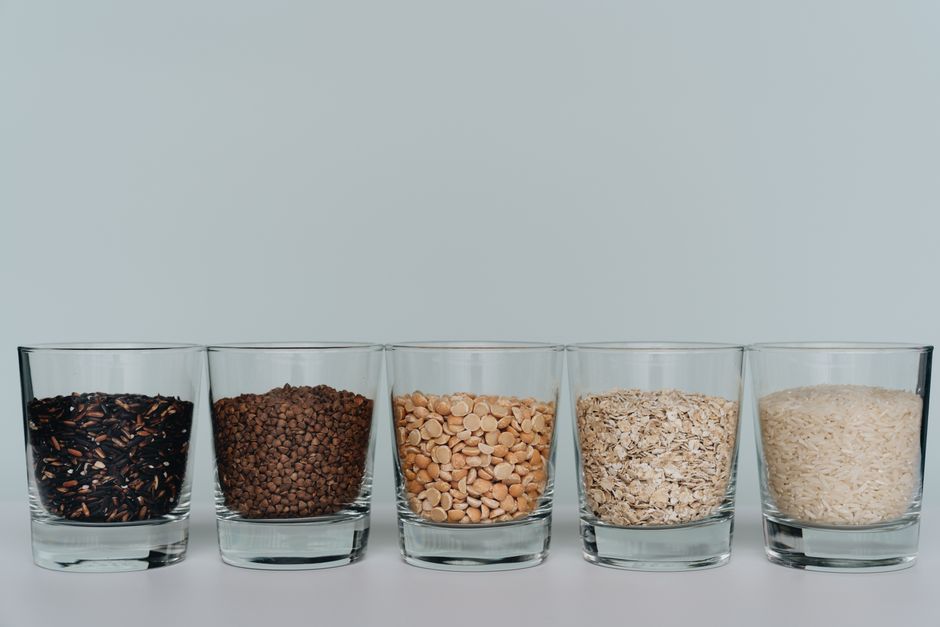
Whole grains like brown rice, oats, and whole wheat bread contribute some selenium, but amounts vary. Sunflower seeds and chia seeds provide modest amounts. Tofu and other soy products can be a source depending on the soil where the soybeans were grown.
The most reliable strategy for vegetarians is to include one Brazil nut daily and eat a variety of whole grains and seeds. Vegans should consider the same approach. Some people choose a selenium supplement, but food sources are generally safer and more effective.
Common Misconceptions About Selenium in Food
A common myth is that all nuts are good sources of selenium. Only Brazil nuts are exceptionally high. Almonds, walnuts, and cashews contain very little. Another myth is that garlic and onions provide significant selenium. They contain some, but not enough to rely on as primary sources.
Some people believe that selenium supplements are necessary for everyone. This is not true for most people in the United States. Unless you have a diagnosed deficiency, a specific health condition, or follow a very restricted diet, food sources are sufficient.
Another misconception is that cooking destroys selenium. Selenium is heat-stable and not significantly lost during cooking. Boiling may cause some loss if the cooking water is discarded, but roasting, baking, and grilling preserve most of the selenium content.
- Brazil nuts are the only nut high in selenium — others are low
- Cooking methods like roasting and baking do not destroy selenium
- Animal foods provide more consistent selenium levels than plants
- Supplements are rarely needed for people eating a balanced diet
- Selenium toxicity from food is possible, especially with Brazil nuts
Frequently Asked Questions
What food has the highest selenium?
Brazil nuts have the highest selenium content, with one nut providing 68 to 91 micrograms. Yellowfin tuna is the next highest source.
How many Brazil nuts should I eat for selenium?
One Brazil nut per day is enough to meet your selenium needs. Eating more than two per day regularly can exceed safe limits.
Is selenium in eggs or meat higher?
Meat generally has more selenium than eggs. A three-ounce serving of pork chop has about 33 micrograms, while one large egg has 15 micrograms.
Can you get selenium from vegetables?
Yes, but the amount depends on the soil where the vegetables were grown. Mushrooms and spinach can be good sources if grown in selenium-rich soil.
