
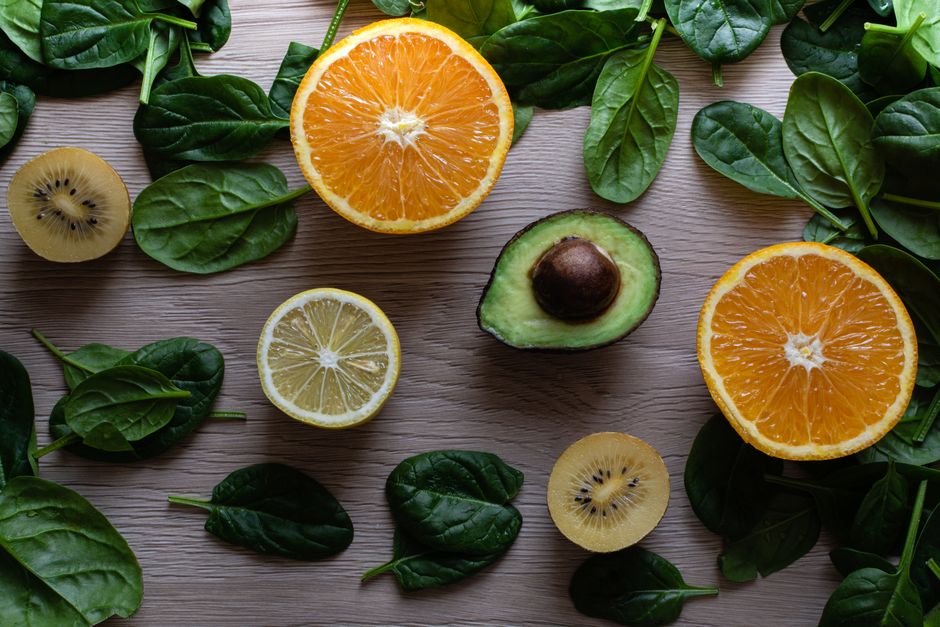
Some fruits can help keep blood sugar stable, but the way they work may surprise you. It is not just about sugar content. It is about fiber, how the fruit is prepared, and what you eat with it. Whole fruits like berries, apples, and citrus are the best choices because their fiber slows digestion and blunts blood sugar spikes.
What Fruits Lower Blood Sugar And Keep It Stable?
The short answer is that no fruit actively lowers blood sugar like a medication does. What fruits can do is help prevent sharp rises in blood sugar after meals. This is a different and important distinction.
Fruits that are high in soluble fiber and natural plant compounds are the most effective at this. Berries, apples, pears, and citrus fruits all have strong evidence behind them. They release sugar slowly into the bloodstream because the fiber in them slows down how fast your stomach empties.
Fruit juice is a different story. When you juice a fruit, you remove the fiber and concentrate the sugar. Even 100 percent fruit juice can cause a rapid spike in blood sugar. Whole fruit is always the better choice.
Why Fiber Changes How Fruit Affects Blood Sugar
Fiber is the main reason whole fruits behave differently than candy or juice. Soluble fiber forms a gel-like substance in your digestive tract. This gel slows the absorption of sugar into your bloodstream.
An apple with its skin has about 4.4 grams of fiber. A small banana has about 2.6 grams. That difference matters. The fiber in apples and pears is particularly effective at slowing sugar absorption.
This is why the glycemic index of whole fruit is lower than many people expect. The glycemic index measures how quickly a food raises blood sugar compared to pure glucose. Most whole fruits have a low to moderate glycemic index. The same fruit juiced will have a much higher glycemic load because the fiber is gone.
Berries Are the Strongest Choice for Blood Sugar Control
Strawberries, blueberries, raspberries, and blackberries stand out among fruits for blood sugar management. They are relatively low in sugar and very high in fiber per serving.
A cup of raspberries has about 8 grams of fiber and only about 5 grams of naturally occurring sugar. Compare that to a cup of grapes, which has about 23 grams of sugar and less than 1 gram of fiber.
Research consistently shows that berries have a minimal effect on blood sugar compared to other fruits. Some studies suggest that the anthocyanins in berries may improve insulin sensitivity over time. Insulin sensitivity means your cells respond better to insulin and clear sugar from the blood more efficiently.
Frozen berries work just as well as fresh. They are picked at peak ripeness and frozen quickly, which preserves their nutrients. Frozen berries are often cheaper and available year-round.





Apples and Pears Provide Steady Sugar Release
Apples and pears are excellent choices because of their pectin content. Pectin is a type of soluble fiber found mainly in the skin and flesh of these fruits.
Pectin slows stomach emptying significantly. This means the sugar from the fruit enters your bloodstream gradually rather than all at once. Studies have found that eating an apple before a meal can reduce the blood sugar response to that meal.
One important detail: the skin contains a large portion of the fiber. Peeling an apple removes about half of its total fiber. Eat apples and pears with the skin on whenever possible.
Choose whole apples over applesauce or apple juice. Even unsweetened applesauce has a higher glycemic response than a whole apple because the processing breaks down the fiber structure.
Citrus Fruits and Their Effect on Sugar Metabolism
Oranges, grapefruits, and lemons contain compounds that may support blood sugar control beyond just their fiber content.
Citrus fruits are rich in a flavonoid called naringin, especially in grapefruit. Some research suggests naringin may help improve insulin sensitivity. The evidence is promising but not definitive. Larger human trials are still needed.
An important warning about grapefruit: it interacts with many medications. If you take statins, calcium channel blockers, or certain anxiety medications, check with your pharmacist before adding grapefruit to your routine. This interaction is well documented and can be dangerous.
Oranges are a reasonable choice, but they contain more sugar than berries. A medium orange has about 12 grams of sugar. Eating the whole orange with its white pith is better than drinking orange juice because the pith contains fiber and beneficial plant compounds.
Which Fruits Should You Limit?
Some fruits are higher in sugar and lower in fiber. These are not forbidden, but portions matter more.
Bananas, grapes, mangoes, and cherries are the fruits most likely to raise blood sugar quickly. A ripe banana has about 14 grams of sugar and only 3 grams of fiber. Dried fruits like dates, raisins, and dried apricots are even more concentrated. The water is removed, so the sugar is packed into a smaller volume.
If you eat these fruits, pair them with a source of protein or fat. This slows digestion further. For example, an apple with peanut butter or berries with plain Greek yogurt will produce a smaller blood sugar rise than the fruit eaten alone.
Portion size is the practical answer. A serving of fruit is about one medium piece, one cup of berries, or half a cup of chopped fruit. Measuring for a few weeks can help you see what a real serving looks like.
How Fruit Fits Into a Meal for Stable Blood Sugar
Eating fruit by itself on an empty stomach can still cause a noticeable blood sugar rise, especially in people with diabetes. The order and composition of your meal matters.
Eating fruit after a meal that contains protein and vegetables produces a smaller blood sugar response. The protein and fiber from the meal slow the overall digestion process. Some research suggests eating vegetables first, then protein, then carbohydrates leads to lower post-meal blood sugar levels.
Another practical strategy is eating fruit as a dessert rather than as a snack. This is not about avoiding fruit. It is about ensuring the fruit is always accompanied by other foods that slow its absorption.
For people with diabetes, checking blood sugar two hours after eating fruit can show how your body responds. This personal data is more useful than any general guideline. Individual responses to the same fruit can vary significantly.
What About Fruit for People with Diabetes?
People with diabetes are often told to avoid fruit entirely. This advice is outdated and not supported by current evidence.
Clinical guidelines from major diabetes organizations recommend including whole fruits as part of a balanced diet. The fiber, vitamins, and plant compounds in fruit provide benefits that outweigh their sugar content when portions are controlled.
What matters most is total carbohydrate intake across the day, not the specific source of carbohydrate. A person with diabetes can eat a small apple or a half cup of berries as part of their carbohydrate allowance. The key is consistency and portion awareness.
If you have diabetes and your blood sugar is running high, work with your healthcare provider to adjust your overall eating pattern rather than eliminating fruit. Sudden removal of fruit from your diet can lead to missing important nutrients and fiber.
Practical Tips for Including Fruit Without Blood Sugar Spikes
Here are evidence-based strategies that make a real difference:
- Always pair fruit with protein or fat. Nuts, seeds, cheese, or yogurt slow sugar absorption.
- Choose fruit with edible skin. The skin holds most of the fiber.
- Eat fruit whole, never juiced. Juicing removes fiber and concentrates sugar.
- Watch dried fruit portions. Two tablespoons of raisins equal about the sugar of a full apple in a fraction of the volume.
- Spread fruit intake across the day. A half cup of berries with breakfast and a small apple with lunch is better than a large fruit bowl at one sitting.
Frozen fruit without added sugar is nutritionally similar to fresh. Canned fruit packed in water is acceptable, but fruit canned in syrup adds unnecessary sugar and should be avoided.
Frequently Asked Questions
Can eating fruit actually lower your blood sugar?
No fruit lowers blood sugar the way insulin or diabetes medication does. Whole fruits with fiber help prevent blood sugar spikes by slowing sugar absorption, which keeps levels more stable.
What fruit has the lowest sugar content?
Raspberries and blackberries are among the lowest-sugar fruits, with about 5 grams of sugar per cup. They also provide 8 grams of fiber per cup, which is exceptionally high for fruit.
Is fruit juice ever okay for blood sugar control?
Fruit juice is not recommended for blood sugar control because juicing removes the fiber that slows sugar absorption. Even small amounts of 100 percent juice can cause rapid blood sugar spikes.
How much fruit can a person with diabetes eat per day?
Most clinical guidance suggests 2 to 3 servings of whole fruit per day for adults with diabetes, but individual carbohydrate goals vary. Work with your healthcare provider to determine your personal allowance.
