
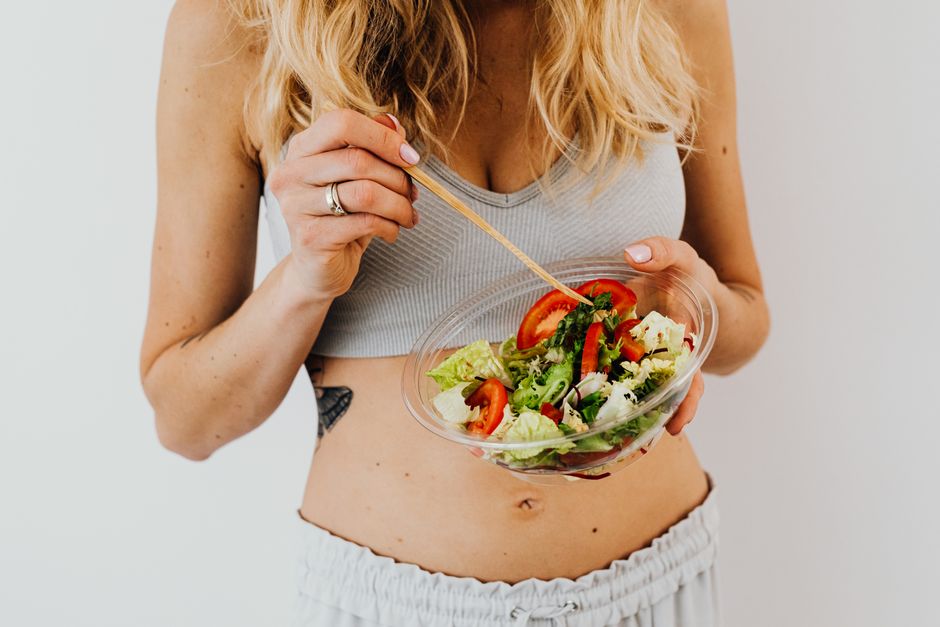
Building healthy blood requires more than just iron. Your body also needs folate, vitamin B12, vitamin C, and copper to produce red blood cells and keep your energy levels stable. The best foods for this are animal-based sources like red meat, liver, and shellfish for heme iron, along with dark leafy greens, beans, and fortified grains for folate. Pairing these with vitamin C-rich foods like citrus or bell peppers helps your body absorb the iron more effectively.
What Foods Are Highest in Iron for Blood Building?
Iron comes in two forms. Heme iron comes from animals and your body absorbs it much better. Non-heme iron comes from plants and needs a little help to get absorbed.
The richest sources of heme iron are beef liver, lean red meat, chicken liver, and oysters. A 3-ounce serving of beef liver gives you about 5 milligrams of iron. That is roughly 28% of what most adults need in a day. Clams and mussels are also excellent choices. Three ounces of cooked clams provide around 24 milligrams of iron.
For non-heme iron, look to cooked spinach, lentils, kidney beans, and blackstrap molasses. One cup of cooked lentils has about 6.6 milligrams of iron. That is impressive for a plant food. But remember — your body only absorbs about 2% to 20% of non-heme iron compared to 15% to 35% of heme iron. This difference matters if you are trying to raise your iron levels.
Research published in the American Journal of Clinical Nutrition has shown that eating meat with vegetables boosts non-heme iron absorption. So a spinach salad with grilled steak is smarter than spinach alone.
What Foods Provide Folate for Red Blood Cell Production?
Folate is vitamin B9. Your body needs it to make DNA and produce new red blood cells. Without enough folate, red blood cells become large and immature. This condition is called megaloblastic anemia.
The best food sources of folate are dark green vegetables. Cooked spinach, collard greens, turnip greens, and romaine lettuce all top the list. One cup of cooked spinach contains about 263 micrograms of folate. That covers roughly 66% of the daily recommended intake for adults.
Beans and legumes are also strong sources. Black-eyed peas, chickpeas, and pinto beans each offer between 100 and 350 micrograms per cup. Asparagus is another excellent choice — just four spears give you about 89 micrograms.
Since 1998, the FDA has required that enriched grain products like bread, pasta, rice, and cereal be fortified with folic acid, which is the synthetic form of folate. This has dramatically reduced neural tube defects in newborns. The CDC reports that fortification has prevented about 1,300 birth defects each year in the United States.
One important note: folic acid from supplements is absorbed differently than natural folate. Some research suggests that high doses of folic acid from supplements may mask a vitamin B12 deficiency. Getting your folate from food is generally safer.
How Does Vitamin B12 Support Iron and Folate in Blood Building?
Vitamin B12 works closely with folate. Both are needed to make healthy red blood cells. If you lack B12, your body cannot use folate properly. This creates a bottleneck in blood production.
B12 is only found naturally in animal foods. The richest sources are beef liver, clams, sardines, salmon, tuna, and fortified nutritional yeast. A 3-ounce serving of cooked clams provides over 84 micrograms of B12. That is more than 1,400% of the daily recommended intake. Your body only absorbs what it needs, so these high amounts are not harmful.
For people over 50, the National Institutes of Health recommends getting B12 from fortified foods or supplements. As you age, your stomach produces less acid. This makes it harder to separate B12 from the protein in food. About 10% to 30% of older adults have some degree of B12 malabsorption.
Vegetarians and vegans face a real risk here. A study in the European Journal of Clinical Nutrition found that 62% of pregnant vegetarians were B12 deficient. If you do not eat animal products, you need a reliable source of B12. Fortified plant milks, breakfast cereals, and nutritional yeast are your best options. A daily supplement of 25 to 100 micrograms is also reasonable.




What Other Nutrients Help Your Body Use Iron and Folate?
Vitamin C is the most well-known helper. It converts non-heme iron into a form your body can absorb more easily. Adding vitamin C to a plant-based meal can increase iron absorption by up to six times.
Good pairings are simple. Squeeze lemon juice over spinach. Eat bell peppers with bean chili. Drink a small glass of orange juice with your fortified breakfast cereal. The effect is real and well-documented in research from the Journal of Nutrition.
Copper is another essential nutrient that is often overlooked. Your body needs copper to transport iron from your tissues into your blood. Without enough copper, iron builds up in your liver and other organs but never reaches your red blood cells.
Good sources of copper include beef liver, oysters, shiitake mushrooms, cashews, and dark chocolate. One ounce of cashews provides about 0.6 milligrams of copper. That is roughly 67% of what you need daily.
Vitamin A and beta-carotene also play a supporting role. They help your body release stored iron so it can be used. Sweet potatoes, carrots, kale, and butternut squash are all excellent sources.
| Nutrient | Best Food Sources | How It Helps Blood |
|---|---|---|
| Iron (heme) | Beef liver, clams, oysters, lean beef | Forms hemoglobin to carry oxygen |
| Iron (non-heme) | Spinach, lentils, kidney beans, blackstrap molasses | Same function but absorbed less efficiently |
| Folate | Collard greens, black-eyed peas, asparagus, fortified grains | Builds new red blood cells |
| Vitamin B12 | Clams, sardines, salmon, fortified nutritional yeast | Works with folate to mature red blood cells |
| Vitamin C | Oranges, bell peppers, broccoli, kiwifruit | Increases non-heme iron absorption |
| Copper | Beef liver, oysters, cashews, dark chocolate | Helps transport iron into blood |
What Foods Should You Avoid When Trying to Build Blood?
Some foods and drinks can block iron absorption. If you are actively working to raise your iron levels, it helps to know what gets in the way.
Calcium is the biggest concern. It competes with iron for absorption in your intestines. Dairy products like milk, cheese, and yogurt are high in calcium. A study in the American Journal of Clinical Nutrition found that just 165 milligrams of calcium — about half a glass of milk — reduced iron absorption by 50% to 60%.
This does not mean you need to avoid dairy entirely. It means you should not eat high-calcium foods at the same meal as iron-rich foods. Have your yogurt at breakfast and your steak at dinner.
Tea and coffee contain tannins that bind to iron and prevent absorption. A cup of black tea can reduce iron absorption from a meal by up to 80%. Green tea has a similar effect. If you drink tea or coffee, have it between meals rather than with them.
Phytates found in whole grains, nuts, and seeds also reduce iron absorption. Soaking beans and grains before cooking can lower phytate levels. Sprouting them is even more effective.
- Do not drink tea or coffee with iron-rich meals
- Separate high-calcium foods from high-iron foods by at least two hours
- Soak or sprout beans and grains to reduce phytates
- Avoid calcium supplements taken at the same time as iron supplements
Common Misconceptions About Building Blood With Food
A widespread myth is that spinach is the best iron source because of Popeye. Spinach is good, but it also contains oxalates that block iron absorption. Your body absorbs only about 1% to 2% of the iron in raw spinach. Cooking spinach reduces oxalates and improves absorption, but it is still not as effective as animal sources.
Another misconception is that you need huge amounts of iron-rich food to raise your levels. The reality is that small, consistent amounts work better than large, infrequent doses. Your body regulates iron absorption carefully. Eating a 3-ounce serving of beef twice a week is more effective than eating a 12-ounce steak once a month.
Some people believe that all anemia is caused by low iron. This is not true. Anemia can also result from low folate, low B12, chronic disease, or genetic conditions like thalassemia. Getting your blood tested is the only way to know what you are actually low in.
There is also a belief that iron supplements are always better than food. This is widely claimed but not always accurate. Food sources of iron come with other nutrients that help absorption and use. Supplements can cause side effects like constipation, nausea, and stomach pain. The National Institutes of Health notes that iron supplements should only be taken when a deficiency is confirmed by a blood test.
Frequently Asked Questions
What foods build blood iron folate and more?
Beef liver, clams, spinach, lentils, and fortified grains are top choices. These provide iron, folate, and B12 together for healthy red blood cell production.
Can you get enough iron from plants alone?
Yes but it takes careful planning. Plant iron is harder to absorb so you need to eat it with vitamin C and avoid tea or coffee at meals.
How long does it take to raise iron levels with food?
Mild deficiency can improve in four to six weeks with consistent dietary changes. Severe deficiency usually requires supplements under a doctor’s supervision.
What drinks block iron absorption?
Tea and coffee are the main culprits. Black tea can reduce iron absorption from a meal by up to 80% so drink it between meals instead.
