
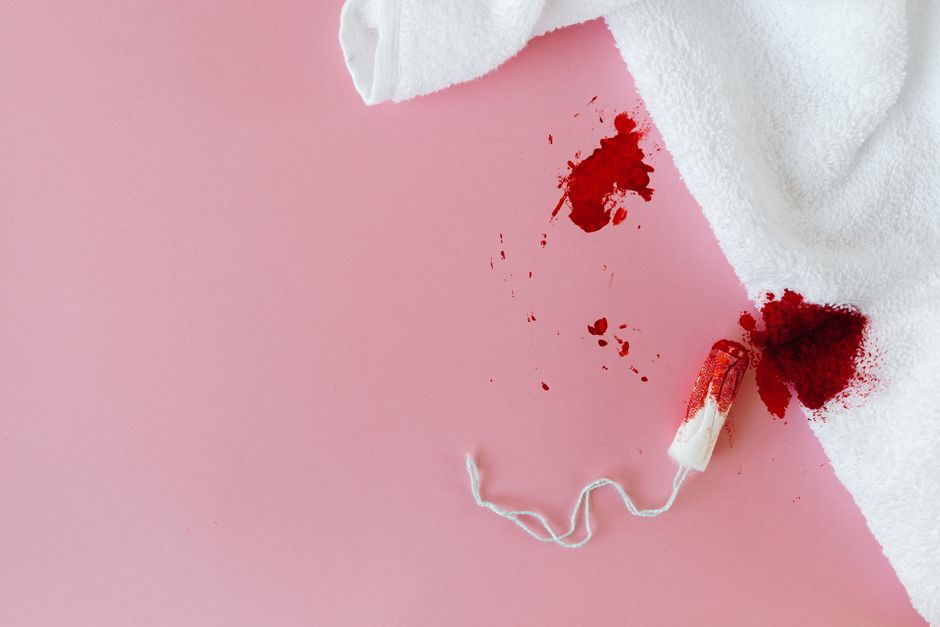
When you lose blood, your body loses three things at once: fluid volume, red blood cells, and the iron stored inside them. Replacing all three is how you restore blood loss fluids iron and recovery properly. The direct answer is that you need to rehydrate with fluids containing electrolytes, rebuild iron stores through diet or supplements, and give your body time to make new red blood cells. Most people can do this at home, but severe blood loss requires medical attention first.
What Actually Happens to Your Body During Blood Loss?
Blood loss triggers a chain reaction your body did not evolve to handle well in large amounts. The immediate problem is that your blood pressure drops because there is less fluid in your veins. Your heart rate goes up to compensate. This is why feeling dizzy or lightheaded after donating blood or losing blood from an injury is common.
The second problem takes longer to show up. Your red blood cells carry oxygen to your tissues. When you lose blood, you lose oxygen-carrying capacity. This causes fatigue, pale skin, and shortness of breath. Your body starts making new red blood cells right away, but it takes weeks to fully replace them. The American Red Cross notes that it takes about 4 to 8 weeks for your body to replace the red blood cells lost during a standard blood donation.
Iron is the third piece. Each red blood cell contains iron in hemoglobin. When you lose blood, you lose iron. Your body needs iron to make new red blood cells. If you are already low on iron before the blood loss, recovery takes longer. This is why people with heavy menstrual bleeding or poor diets often feel wiped out longer after blood loss.
How To Restore Blood Loss Fluids Iron And Recovery in the First 24 Hours
In the first day after blood loss, fluids are the priority. Your body needs to restore blood volume so your organs get enough oxygen and nutrients. Water alone works, but fluids with electrolytes help more because they help your body hold onto the water. Sports drinks, coconut water, or oral rehydration solutions are good options. Avoid alcohol and caffeine because they dehydrate you.
Rest is not optional. Your heart is working harder because your blood volume is lower. Lying down helps your heart pump blood to your brain more easily. If you feel dizzy when standing up, that is a sign your body has not fully adjusted yet. Take it seriously. Do not drive or operate machinery until you feel normal again.
Do not start iron supplements in the first 24 hours unless a doctor tells you to. Your body needs to stabilize fluid volume first. Iron supplements can cause nausea and constipation, which is the last thing you need when you are recovering. Focus on fluids and rest. Iron comes later in the recovery process.
When and How to Rebuild Iron Stores After Blood Loss
Iron replacement becomes important about 2 to 3 days after blood loss. Your bone marrow is already working to make new red blood cells, but it needs iron as the raw material. Without enough iron, your body makes smaller, less effective red blood cells. This condition is called iron deficiency anemia, and it can make you feel tired for months after blood loss if you do not address it.
Dietary iron comes in two forms. Heme iron comes from animal sources like red meat, poultry, and fish. Your body absorbs heme iron much better than non-heme iron. Non-heme iron comes from plants like spinach, beans, lentils, and fortified cereals. If you eat plant sources, pair them with vitamin C to boost absorption. A glass of orange juice with your lentil soup helps your body take in more iron.
Research published in the journal Blood found that a single blood donation removes about 200 to 250 milligrams of iron from your body. That is a significant amount. Your diet provides about 1 to 2 milligrams of iron per day on average. So it takes time to rebuild. For mild to moderate blood loss, eating iron-rich foods consistently for several weeks is usually enough.
Iron supplements are appropriate in some cases. If your blood loss was significant or you were already low on iron, a doctor may recommend a supplement. The standard dose is 65 milligrams of elemental iron taken every other day. Taking iron every day does not work better and causes more side effects. Research shows that every-other-day dosing improves absorption and reduces gastrointestinal issues.


What Foods Speed Up Recovery From Blood Loss?
Food alone cannot replace blood quickly, but the right foods give your body the building blocks it needs. Iron-rich foods are the foundation. Red meat, liver, and shellfish provide heme iron that your body absorbs easily. For plant-based eaters, spinach, Swiss chard, beans, lentils, and pumpkin seeds are good sources. Fortified breakfast cereals can also help.
Protein matters more than most people realize. Your body needs protein to make hemoglobin and new red blood cells. Aim for adequate protein from eggs, poultry, fish, tofu, or dairy. Vitamin B12 and folate are also essential for red blood cell production. Foods rich in B12 include meat, fish, eggs, and dairy. Folate is found in leafy greens, asparagus, and oranges.
Vitamin C is not directly involved in making blood, but it dramatically improves iron absorption. Adding a squeeze of lemon to your spinach salad or having berries with your oatmeal helps your body use the iron you eat. Avoid drinking tea or coffee with meals because tannins block iron absorption. Wait at least one hour after eating before having these drinks.
| Nutrient | Role in Blood Recovery | Best Food Sources |
|---|---|---|
| Iron | Forms hemoglobin in red blood cells | Red meat, liver, spinach, lentils |
| Vitamin B12 | Supports red blood cell production | Fish, meat, eggs, dairy |
| Folate | Helps form new cells including red blood cells | Leafy greens, asparagus, oranges |
| Vitamin C | Increases iron absorption | Citrus fruits, bell peppers, strawberries |
| Protein | Provides amino acids for hemoglobin | Chicken, fish, tofu, eggs |
How Long Does Full Recovery From Blood Loss Take?
Full recovery depends on how much blood you lost and your starting health. For a standard blood donation of about one pint, your body replaces the fluid within 24 to 48 hours. That is why you are told to drink extra water after donating. But the red blood cells take longer. Your body replaces them in about 4 to 6 weeks if you have adequate iron stores.
If you lost more blood from an injury or surgery, recovery takes longer. The body can lose about 15 percent of its blood volume without serious symptoms. Beyond that, you may need medical treatment including intravenous fluids or even blood transfusions. The CDC reports that about 4.5 million Americans receive blood transfusions each year for various medical conditions.
Fatigue is usually the last symptom to go. You might feel normal after a week, then hit a wall of tiredness three weeks later. This is normal. Your bone marrow is working hard to produce new cells. Give it time. Most people feel fully recovered by 8 weeks after significant blood loss. If you still feel tired after 3 months, see a doctor to check for ongoing iron deficiency.
Common Mistakes People Make When Recovering From Blood Loss
One common mistake is taking iron supplements without checking iron levels first. Too much iron is harmful. It can damage your liver and other organs. Only take supplements if a blood test shows you are low or if a doctor recommends them. For most people, food sources are enough.
Another mistake is returning to intense exercise too soon. Your body needs oxygen to fuel your muscles. With fewer red blood cells, your heart has to work harder to deliver that oxygen. Pushing yourself too hard can cause lightheadedness, fainting, or injury. Wait at least two weeks after blood loss before doing intense workouts. Listen to your body.
Some people also ignore signs that they need medical help. If you lost blood from an injury and still feel dizzy, have a racing heart, or see blood in your stool or urine, get medical attention. These could be signs of ongoing bleeding or a more serious condition. Do not try to fix significant blood loss at home with fluids and iron alone.
What to Avoid During Blood Loss Recovery
Avoid alcohol during recovery. Alcohol thins your blood and can interfere with your body’s ability to form clots. It also dehydrates you, which works against your fluid replacement efforts. Even one drink can slow your recovery.
Do not smoke or use nicotine products. Nicotine constricts your blood vessels, making it harder for oxygen to reach your tissues. This directly opposes what your body needs during recovery. Smoking also increases your risk of blood clots, which is dangerous when your body is trying to heal.
Avoid high-dose vitamin E supplements. Vitamin E can thin your blood and increase bleeding risk. Stick to getting vitamin E from food sources like nuts and seeds. The same goes for fish oil supplements. If you take fish oil for heart health, ask your doctor if you should pause it during recovery from significant blood loss.
Signs You Need Medical Help Instead of Self-Care
Some blood loss requires immediate medical care. If you lost blood from a serious injury, had surgery with heavy bleeding, or have a condition that causes internal bleeding, do not try to manage it at home. Go to an emergency room. Symptoms that require medical attention include chest pain, difficulty breathing, confusion, or losing consciousness.
Heavy menstrual bleeding is a common cause of blood loss in women. If your periods soak through a pad or tampon every hour for several hours, or if your periods last longer than 7 days, see a doctor. The same applies if you pass large blood clots. This level of bleeding can cause iron deficiency anemia over time.
Digestive bleeding is another hidden cause. Black or tarry stools, bright red blood in stool, or vomiting blood are all signs of internal bleeding. Do not try to treat this at home. Go to a doctor immediately. Internal bleeding requires medical diagnosis and treatment, not diet changes.
Frequently Asked Questions
How much water should I drink after blood loss?
Drink enough to keep your urine light yellow, which usually means 8 to 10 glasses of water in the first 24 hours. Sports drinks with electrolytes help more than plain water for restoring blood volume.
Can I take iron supplements right after donating blood?
Wait at least 24 hours before taking iron supplements after blood donation. Focus on fluids and rest first, then consider iron if a blood test shows you are low.
How long does it take to feel normal after losing blood?
Most people feel better within a few days for fluid replacement, but full energy return takes 4 to 8 weeks. Fatigue that lasts longer than 3 months should be checked by a doctor.
What is the best food to eat after blood loss?
Red meat or liver provides the most absorbable iron for rebuilding blood. Pair plant-based iron sources like spinach with vitamin C from citrus fruits to improve absorption.
