
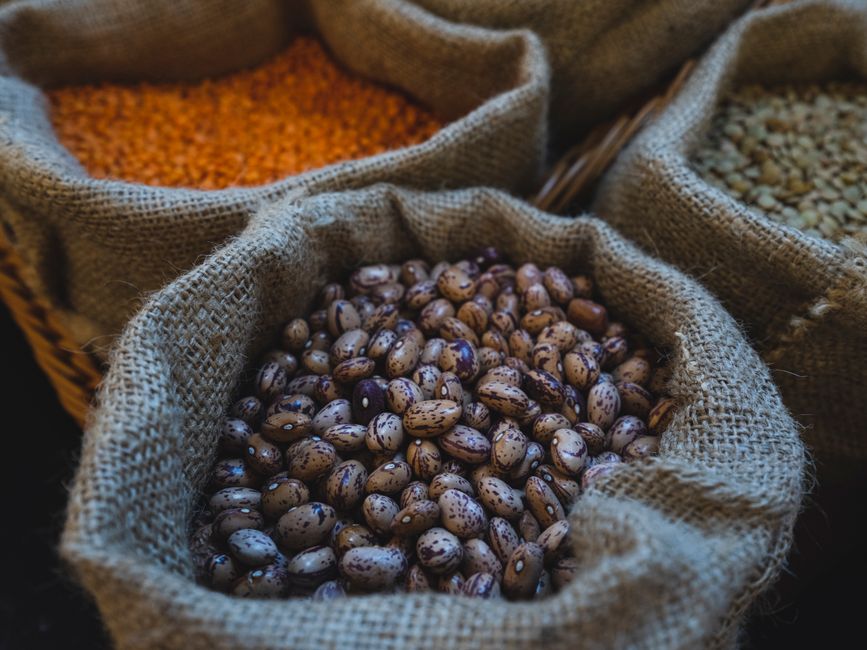
Iron is a mineral your body needs to make hemoglobin, the protein in red blood cells that carries oxygen to your tissues. Without enough iron, you can feel tired, weak, and have trouble concentrating. The best food sources of iron are red meat, poultry, and fish because they contain heme iron, which your body absorbs easily. Plant foods like spinach, lentils, beans, and fortified cereals also provide iron, though it is a different type called non-heme iron that your body absorbs less efficiently.
What Foods Are Good Sources Of Iron and Why Does the Type Matter?
There are two types of iron in food: heme and non-heme. Heme iron comes from animal tissue. Your body absorbs about 15 to 35 percent of the heme iron you eat. Non-heme iron comes from plants. Your body absorbs only about 2 to 20 percent of non-heme iron.
This difference matters because it changes how much food you actually need to eat. If you rely only on plant sources, you may need to eat more total iron to get the same amount your body can actually use. Research shows that people who eat meat regularly tend to have better iron stores than people who do not, all else being equal.
That does not mean plant-based eaters cannot get enough iron. They just need to be more intentional about it. Pairing plant iron with vitamin C can help. A squeeze of lemon on spinach or bell peppers in a bean salad can boost absorption significantly.
Which Animal Foods Have the Most Iron?
Beef liver is one of the most concentrated sources of iron available. A three-ounce serving provides about 5 to 6 milligrams of heme iron. That is roughly one-third of the daily recommendation for an adult woman. Chicken liver is similar, with about 11 milligrams per three-ounce serving.
Red meat like beef and lamb is also rich in iron. A three-ounce serving of ground beef provides about 2 to 3 milligrams. The darker the meat, the more iron it tends to contain. Poultry is a decent source too, especially dark meat like chicken thighs, which provide about 1 milligram per three ounces.
Fish and shellfish are excellent options. Clams are a standout, with some varieties providing over 20 milligrams of iron per three-ounce serving. Oysters, sardines, and mussels are also good choices. Canned tuna and salmon provide smaller amounts, around 1 to 2 milligrams per serving.
One non-obvious point: heme iron from meat actually helps your body absorb non-heme iron from other foods eaten in the same meal. So having a small amount of meat with your vegetables can improve how much iron you get from both.
Which Plant Foods Provide the Most Iron?
Spinach is often mentioned as a top plant source, and it is good. One cup of cooked spinach provides about 6 milligrams of iron. But there is a catch. Spinach also contains oxalates, compounds that can bind to iron and reduce absorption. So while the raw number looks high, your body may not get all of it.
Legumes are a more reliable plant source. Lentils provide about 3 milligrams per half-cup cooked. Chickpeas, kidney beans, and black beans provide around 2 to 3 milligrams per half-cup. These are versatile foods you can add to soups, salads, or grain bowls.
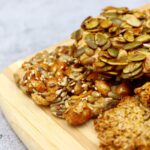
Pumpkin seeds are a concentrated source, with about 4 milligrams per quarter-cup. Sesame seeds, hemp seeds, and flaxseeds also contribute. Tofu and edamame are good options, providing about 3 to 4 milligrams per half-cup serving.
Fortified breakfast cereals are a practical option for many people. Some cereals provide 10 to 18 milligrams of iron per serving, which is more than most whole foods. However, this is added iron in the form of iron powder, and absorption can vary. Check the label and look for cereals with at least 50 percent of the daily value for iron.

How Can You Improve Iron Absorption From Food?
Vitamin C is the most effective helper for non-heme iron absorption. Studies have found that adding just 25 to 100 milligrams of vitamin C to a meal can double or triple how much non-heme iron your body absorbs. That is roughly the amount in a small orange or half a cup of chopped bell peppers.
Some practical pairings include adding strawberries to your oatmeal, squeezing lemon over lentil soup, or having a glass of orange juice with your fortified cereal. Even cooking with tomatoes can help, since the vitamin C in tomatoes survives light cooking.
There are also foods that block iron absorption. Tea and coffee contain tannins that can reduce absorption by up to 60 percent if consumed with a meal. Calcium from dairy or supplements can also interfere. The solution is simple: drink tea or coffee between meals rather than with them. Wait at least one hour after eating before having a cup.
Current research suggests that cooking methods matter too. Cooking in a cast iron pan can add small amounts of iron to your food, especially acidic foods like tomato sauce. This is not a major source, but every bit can help.
| Food | Serving Size | Iron (mg) | Type |
|---|---|---|---|
| Beef liver | 3 oz | 5-6 | Heme |
| Clams | 3 oz | 20+ | Heme |
| Ground beef | 3 oz | 2-3 | Heme |
| Cooked spinach | 1 cup | 6 | Non-heme |
| Lentils | 1/2 cup | 3 | Non-heme |
| Pumpkin seeds | 1/4 cup | 4 | Non-heme |
| Fortified cereal | 1 serving | 10-18 | Non-heme (added) |
What Are Common Signs You Might Not Be Getting Enough Iron?
Fatigue is the most common symptom of low iron. Not just feeling tired after a long day, but a persistent lack of energy that does not improve with rest. You might also notice shortness of breath during activities that used to feel easy, like climbing stairs.
Pale skin and brittle nails are other signs. Some people develop pica, a craving for non-food items like ice, dirt, or starch. This is a specific symptom that strongly correlates with iron deficiency. If you find yourself chewing ice obsessively, it is worth getting your iron checked.
Restless legs syndrome has been linked to low iron levels as well. Some studies suggest that iron supplementation can reduce symptoms in people with low ferritin, which is the stored form of iron in your body.
It is important not to self-diagnose. These symptoms can come from many other conditions. The only reliable way to know if you are low in iron is a blood test that measures ferritin, hemoglobin, and transferrin saturation. As of 2026, standard reference ranges are well established, but your doctor will interpret them based on your age, sex, and health status.
What Should You Avoid When Trying to Increase Iron?
Taking iron supplements without knowing your levels is a common mistake. Too much iron can be dangerous, especially for men and postmenopausal women who do not lose iron through menstruation. Iron overload can damage the liver, heart, and pancreas. Always test before supplementing.
Relying on “superfood” claims is another trap. Some foods are marketed as iron-rich but provide very little absorbable iron. For example, beets and dark chocolate contain some iron, but the amounts are small and the absorption is poor. They are not reliable sources.
Eating high-iron foods with calcium-rich foods at the same meal can reduce absorption. Dairy products, calcium-fortified plant milks, and calcium supplements should be spaced apart from iron-rich meals. A gap of one to two hours is usually enough.
Drinking tea or coffee with meals is a common habit that reduces iron absorption. If you are already low in iron, consider moving your coffee to mid-morning or afternoon. Even a small change in timing can make a meaningful difference over weeks and months.
Common Misconceptions About Iron in Food
One widespread myth is that spinach is the best source of iron. It is not. Spinach has a decent amount of iron, but the oxalates in it reduce absorption significantly. You would need to eat several cups of cooked spinach to match the absorbable iron in a small serving of beef or lentils.
Another misconception is that all plant iron is the same. It is not. Some plant foods have compounds that help or hinder absorption. For example, lentils and beans have fewer oxalates than spinach, making their iron more available. Fermented foods like tempeh may have even better iron availability because fermentation reduces antinutrients.
Some people believe that eating raw eggs is a good way to get iron. This is false. Egg yolks contain some iron, but raw egg whites contain a protein called avidin that can bind to iron and reduce absorption. Cooked eggs are fine, but they are not a major source of iron compared to meat or legumes.
Finally, the idea that you need to eat liver every week to maintain iron levels is not accurate for most people. Liver is very high in iron, but it also contains high amounts of vitamin A, which can be toxic in large doses. Eating liver once a week or less is reasonable, but it is not necessary if you are getting iron from other sources.
Frequently Asked Questions
What foods are good sources of iron for vegetarians?
Lentils, chickpeas, beans, tofu, pumpkin seeds, and fortified cereals are the best plant sources. Pair them with vitamin C-rich foods like citrus or bell peppers to improve absorption.
How much iron do I need per day?
Adult men need about 8 milligrams per day. Adult women need about 18 milligrams per day until menopause, then 8 milligrams after. Pregnant women need about 27 milligrams per day.
Can you get too much iron from food alone?
It is very unlikely to get too much iron from food alone in healthy people. Iron overload usually comes from supplements or genetic conditions like hemochromatosis.
Does cooking in cast iron add iron to food?
Yes, cooking acidic foods like tomato sauce in a cast iron pan can add small amounts of iron. The amount varies but can be meaningful for people with low iron stores.
