
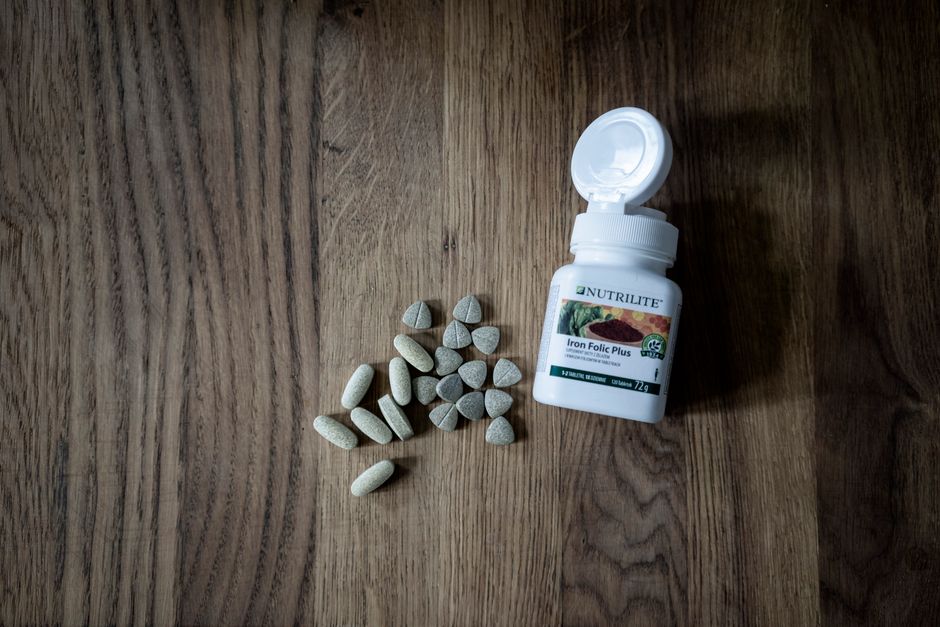
Iron is essential for carrying oxygen through your blood. When levels drop too low, you feel tired, weak, and short of breath. The most effective way to raise iron levels is through a combination of heme iron from animal foods and iron supplements when levels are truly low. Food sources provide iron more safely and sustainably, but supplements work faster for correcting a diagnosed deficiency. The choice between foods and supplements depends entirely on how low your iron is and why.
How Do You Know If Your Iron Is Actually Low?
Many people assume they are low on iron because they feel tired. Fatigue has dozens of causes. Iron deficiency is only one of them. The only reliable way to know is a blood test that measures ferritin, hemoglobin, and transferrin saturation.
The World Health Organization defines anemia as hemoglobin below 12 g/dL for women and below 13 g/dL for men. But iron deficiency without anemia is more common. That shows up as low ferritin — usually below 30 ng/mL, though some labs use 15 as the cutoff. If you have not had a blood test, guessing will not help. Taking iron when you do not need it can cause problems.
A simple finger prick test at a doctor’s office gives you the answer. Home test kits exist but are less reliable. If you are truly low, the cause matters. Heavy periods, poor diet, gut conditions like celiac disease, or hidden bleeding can all drop your iron. Fixing the root cause matters more than just eating more spinach.
What Raises Iron Levels Foods Supplements More?
Supplements raise iron levels faster than food. That is the short answer. A standard 65 mg dose of ferrous sulfate can raise hemoglobin in two to four weeks. Food alone takes months to make a real difference, especially if you are already deficient.
But faster does not always mean better. Supplements come with side effects. Constipation, nausea, and stomach pain are common. Some people cannot tolerate oral iron at all. Food sources rarely cause side effects and provide other nutrients your body needs.
The real question is not which is better. It is which fits your situation. If your hemoglobin is below 10 g/dL or your ferritin is under 15, supplements are likely necessary. If your levels are borderline low, improving your diet may be enough. A doctor can tell you which category you fall into.
Supplements also vary in how well the body absorbs them. Ferrous sulfate is the standard and least expensive. Ferrous gluconate and ferrous fumarate work too. Some newer forms claim fewer side effects, but strong evidence is limited. The form matters less than taking it correctly.
Which Foods Actually Raise Iron Levels?
Foods that raise iron fall into two categories. Heme iron comes from animal sources. Non-heme iron comes from plants. Your body absorbs heme iron much better — roughly 25 to 30 percent absorption compared to 5 to 12 percent for non-heme.
The best food sources for raising iron are red meat, liver, and shellfish. A three-ounce serving of beef contains about 3 mg of iron. Chicken liver has 11 mg per serving. Oysters and clams are even higher. These are the most efficient ways to get iron from food.
Plant sources include spinach, lentils, beans, tofu, and fortified cereals. But the iron in plants is harder to absorb. You can improve absorption by eating vitamin C alongside them. A squeeze of lemon on spinach or bell peppers with black beans makes a real difference. One study found that 100 mg of vitamin C increased non-heme iron absorption by up to four times.
Calcium blocks iron absorption. Tea and coffee contain tannins that also reduce it. If you eat iron-rich foods, avoid drinking coffee or tea for an hour before and after. Do not take calcium supplements at the same time as iron.
| Food Source | Iron Content (mg per serving) | Type of Iron |
|---|---|---|
| Beef liver (3 oz cooked) | 6.5 | Heme |
| Oysters (3 oz) | 8 | Heme |
| Spinach (1 cup cooked) | 6.4 | Non-heme |
| Lentils (1 cup cooked) | 6.6 | Non-heme |
| Fortified cereal (1 cup) | 18 | Non-heme |
| Dark chocolate (3 oz) | 5 | Non-heme |



How Should You Take Iron Supplements for Best Results?
Taking iron correctly matters as much as the dose itself. The body absorbs iron best on an empty stomach. Taking it with vitamin C improves absorption further. A glass of orange juice or a vitamin C supplement taken at the same time can help.
But many people cannot tolerate iron on an empty stomach. If that is you, take it with a small amount of food. Avoid taking it with dairy, eggs, whole grains, or coffee. These all reduce absorption significantly.
The standard dose for iron deficiency is 65 mg of elemental iron, usually taken one to three times daily. That equals one 325 mg tablet of ferrous sulfate. Higher doses do not work better. They just cause more side effects. Your body can only absorb so much at once.
Some studies suggest taking iron every other day instead of daily. A 2017 study in the journal Blood found that every-other-day dosing increased absorption and reduced side effects. This is not yet standard practice, but it is worth discussing with your doctor if daily dosing bothers you.
Do not take iron supplements for more than a few months without rechecking your blood levels. Once ferritin reaches normal range, stop or switch to a lower maintenance dose. Excess iron builds up in organs and causes damage over time. This is rare but real, especially in people with genetic conditions like hemochromatosis.
What Common Mistakes Lower Iron Absorption?
People often eat the right foods but sabotage their own absorption. The most common mistake is drinking tea or coffee with meals. Tannins bind to iron and prevent absorption. One study found that drinking tea with a meal reduced iron absorption by 60 percent.
Calcium is another blocker. Dairy products, calcium supplements, and calcium-fortified foods all interfere. If you take calcium, separate it from iron by at least two hours. The same applies to antacids and acid-reducing medications. Stomach acid helps release iron from food, so reducing acid makes absorption harder.
Another mistake is relying only on plant sources without vitamin C. A bowl of oatmeal with fortified milk provides iron, but the calcium blocks it and there is no vitamin C to help. Adding berries or a glass of orange juice changes the picture entirely.
Cooking in cast iron pots can add small amounts of iron to food, especially acidic foods like tomato sauce. This is real but minor. Do not count on it to fix a deficiency.
What Are the Risks of Too Much Iron?
Iron is not harmless just because it is natural. Your body has no efficient way to get rid of excess iron. It stores the extra, and over time, stored iron can damage the liver, heart, and pancreas.
Iron overload is rare in healthy people. It usually happens in people with hemochromatosis, a genetic condition that affects about 1 in 200 people of Northern European descent. But taking high-dose supplements unnecessarily can push anyone toward overload.
Symptoms of too much iron include joint pain, fatigue, abdominal pain, and darkening of the skin. These are easy to miss because they overlap with many other conditions. That is why testing before and during supplementation matters.
Children are especially at risk. Iron supplements are a leading cause of poisoning in young children. Keep all iron pills in childproof containers out of reach. The difference between a therapeutic dose and a toxic dose is small for a small body.
Some people report that iron supplements cause constipation, black stools, and nausea. Black stools are normal and harmless. Constipation can be managed with fiber, hydration, or switching to a different form of iron. Slow-release formulas cause fewer side effects but also release iron lower in the gut where absorption is poorer.
Frequently Asked Questions
Frequently Asked Questions
Can you raise iron levels with food alone?
Yes, if your deficiency is mild. Eating red meat, liver, and iron-rich plants with vitamin C can raise levels over several months. Severe deficiency usually requires supplements.
How long does it take for iron supplements to work?
Most people feel better within two to four weeks. Hemoglobin levels typically return to normal in two months. Ferritin can take three to six months to reach a healthy range.
Which type of iron supplement is best absorbed?
Ferrous sulfate is the most studied and most commonly recommended. Ferrous gluconate and ferrous fumarate are also well absorbed. The differences between them are small.
Does cooking in cast iron really add iron to food?
Yes, but only small amounts. Acidic foods like tomato sauce absorb the most. The amount is too low to treat a deficiency but may help with maintenance.
