
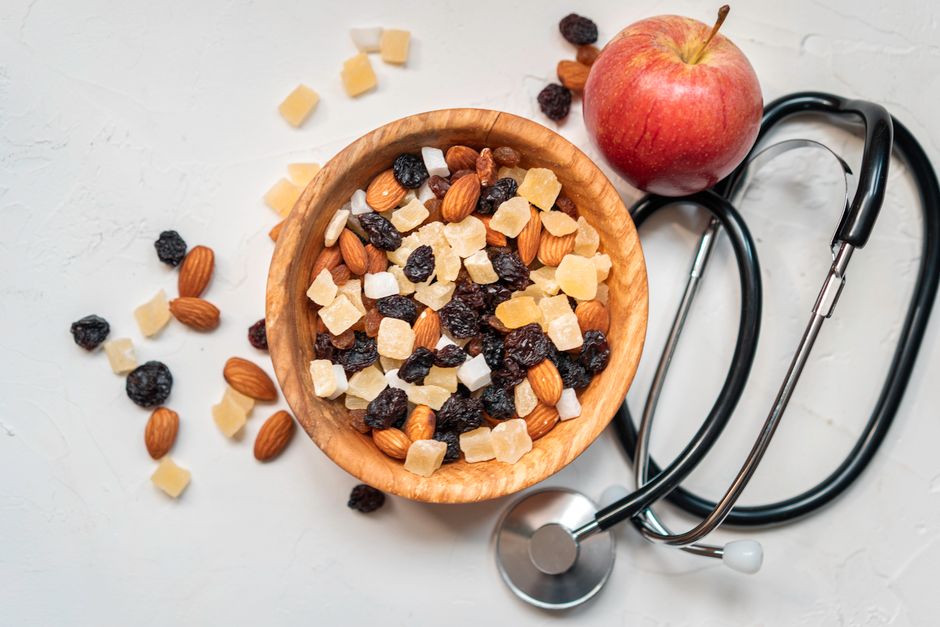
Minerals are nutrients your body needs to work properly. Unlike vitamins, minerals are inorganic — they come from soil and water, not from plants or animals. Your body cannot make minerals, so you must get them from food. There are two main types: macrominerals, which you need in larger amounts, and trace minerals, which you need in very small amounts. Good food sources include vegetables, fruits, dairy, nuts, seeds, legumes, whole grains, meat, and fish.
What Are the Two Main Types of Minerals?
Minerals are grouped by how much your body needs.
Macrominerals are needed in larger amounts — more than 100 milligrams per day. These include calcium, magnesium, phosphorus, potassium, sodium, chloride, and sulfur. They help build bones, balance fluids, and send nerve signals.
Trace minerals are needed in tiny amounts — less than 100 milligrams per day. These include iron, zinc, copper, selenium, iodine, manganese, fluoride, chromium, and molybdenum. Even though you need less of them, they are just as important. Iron carries oxygen in your blood. Zinc helps your immune system and wound healing. Selenium supports thyroid function.
What Are the Functions of Minerals in the Body?
Every mineral has specific jobs. Some minerals work together. Others do opposite jobs to keep your body balanced.
Calcium and phosphorus are the main building blocks of bones and teeth. Calcium also helps muscles contract and nerves send messages. Magnesium helps over 300 enzyme reactions, including energy production and muscle relaxation.
Potassium and sodium control fluid balance and blood pressure. Potassium relaxes blood vessels; sodium tightens them. Getting enough potassium and not too much sodium is key for heart health.
Iron is part of hemoglobin, the protein that carries oxygen in red blood cells. Without enough iron, your body cannot deliver enough oxygen to tissues. Zinc is needed for growth, immune function, and taste. Iodine is essential for thyroid hormones that regulate metabolism.
What Foods Are Rich in Minerals?
Whole foods are the best sources. Processing often removes minerals or adds them back artificially.
- Calcium: Dairy products (milk, yogurt, cheese), fortified plant milks, leafy greens like kale and collard greens, sardines with bones, tofu made with calcium sulfate.
- Iron: Red meat, poultry, fish, lentils, beans, spinach, fortified cereals. Plant-based iron is less easily absorbed, but eating it with vitamin C (like citrus) improves absorption.
- Magnesium: Nuts (almonds, cashews), seeds (pumpkin, sunflower), whole grains, dark chocolate, legumes, leafy greens.
- Potassium: Bananas, oranges, potatoes with skin, tomatoes, beans, yogurt, avocados.
- Zinc: Oysters (by far the richest source), red meat, poultry, beans, nuts, whole grains.
- Selenium: Brazil nuts (one nut provides more than your daily need), seafood, meat, eggs.
- Iodine: Seaweed, iodized salt, fish, dairy.
A varied diet with plenty of vegetables, fruits, whole grains, lean protein, and dairy (or fortified alternatives) covers most mineral needs.



How Much Minerals Do You Need?
Recommended intakes vary by age, sex, and life stage. For example, women of childbearing age need more iron than men. Adults over 50 need more calcium.
General guidelines from the National Academies of Sciences, Engineering, and Medicine exist for each mineral. Most healthy adults need about 1000 mg of calcium daily, 8–18 mg of iron (women higher), 310–420 mg of magnesium, and 4700 mg of potassium. These are approximate. Exact needs depend on your health status.
The best way to know if you are getting enough is to eat a balanced diet. Blood tests can check for deficiencies if you have symptoms like fatigue, muscle cramps, or poor wound healing.
What Happens If You Don’t Get Enough Minerals?
Mineral deficiencies cause specific problems. Common deficiencies worldwide include iron, iodine, and zinc.
Iron deficiency leads to anemia — tiredness, weakness, pale skin, shortness of breath. It affects about one in three people globally, especially women and children.
Iodine deficiency causes goiter (enlarged thyroid) and can lead to intellectual disabilities in babies if the mother was deficient during pregnancy. That is why table salt is iodized in many countries.
Calcium deficiency over time weakens bones and raises risk of osteoporosis. Magnesium deficiency can cause muscle cramps, fatigue, and abnormal heart rhythms.
Most deficiencies in developed countries come from poor diet or conditions that affect absorption, like celiac disease or inflammatory bowel disease.
Can You Get Too Many Minerals?
Yes. Getting too much of a mineral is called toxicity. It usually comes from overusing supplements, not from food. The body regulates minerals from food well.
Too much calcium from supplements can cause kidney stones and interfere with iron and zinc absorption. Too much iron can damage organs. Too much selenium causes brittle hair and nails. Sodium is the most common overconsumed mineral — high intake raises blood pressure.
The safe upper limit for most minerals is well above what you get from a normal diet. If you take supplements, follow the label and talk to a doctor. More is not better.
What Are the Best Ways to Ensure Adequate Mineral Intake?
Eat a variety of whole, minimally processed foods. That is the most reliable strategy.
Include these in your regular diet:
- Dark leafy greens for calcium and magnesium
- Beans and lentils for iron, magnesium, and potassium
- Nuts and seeds for magnesium, zinc, and selenium
- Lean meats or fish for iron and zinc
- Dairy or fortified alternatives for calcium and iodine
- Whole grains like oats and quinoa for magnesium and trace minerals
Cooking methods matter. Soaking beans and grains reduces compounds that block mineral absorption. Cooking with a cast-iron pan adds some iron to acidic foods. Pairing plant-based iron with vitamin C improves absorption.
If you have a medical condition that affects mineral absorption, or if you follow a restrictive diet (vegan, very low-calorie), talk to a doctor about whether supplements are needed. Do not guess.
Frequently Asked Questions
What are the main minerals in food?
The main minerals are calcium, magnesium, potassium, sodium, phosphorus, iron, zinc, iodine, selenium, and copper.
What foods have the most minerals?
Leafy greens, nuts, seeds, beans, lentils, whole grains, dairy, meat, fish, and shellfish are among the most mineral-rich foods.
What happens if you don’t get enough minerals?
Deficiencies can cause fatigue, weak bones, anemia, muscle cramps, and weakened immunity depending on which mineral is lacking.
Can minerals be harmful if you take too many?
Yes, especially from supplements. High doses can cause toxicity, organ damage, or interfere with other nutrients. Food sources rarely cause harm.
