
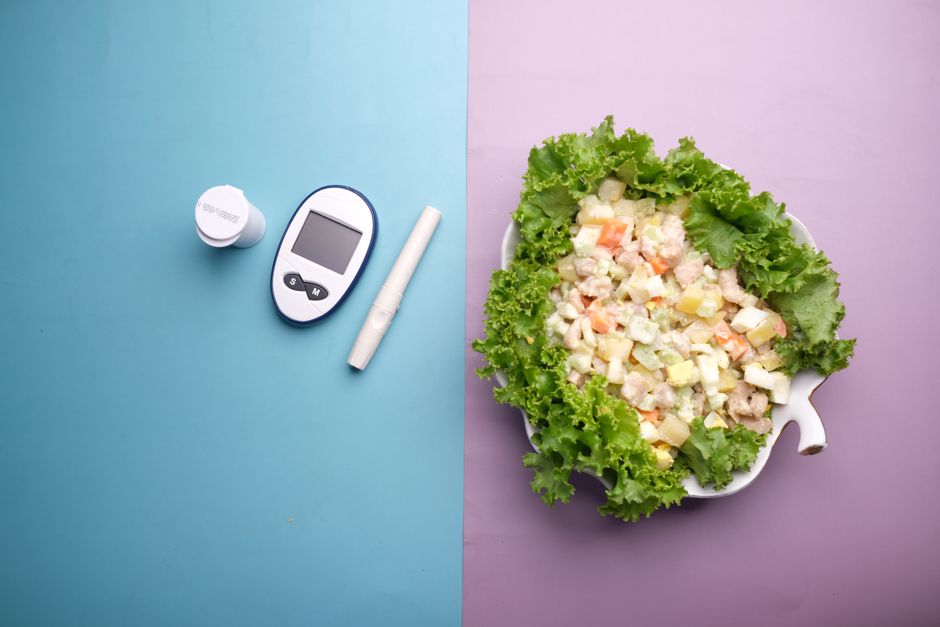
Eating more vegetables, fruits, whole grains, and low-fat dairy can help lower blood pressure. Foods rich in potassium, magnesium, and fiber have the strongest evidence. Leafy greens, berries, beets, oats, and fatty fish are among the most studied options for a heart-healthy diet.
How does diet affect blood pressure?
Diet directly affects blood pressure through several well-studied mechanisms. Sodium raises blood pressure by causing the body to retain fluid, which increases the volume of blood in your arteries. Potassium helps counteract sodium by relaxing blood vessel walls and helping the kidneys flush out excess sodium. Magnesium and calcium also play roles in blood vessel tone and heart function. When your diet lacks these key nutrients and contains too much sodium, blood pressure tends to rise over time.
The relationship between diet and blood pressure is not just about single nutrients. The overall pattern of what you eat matters more than any one food. A diet high in processed foods, added sugars, and unhealthy fats consistently raises blood pressure risk. Conversely, a diet centered on whole plant foods and lean proteins consistently helps lower it.
What is the DASH diet and why does it work?
The DASH diet is a proven eating plan for lowering blood pressure. DASH stands for Dietary Approaches to Stop Hypertension. It was developed based on research funded by the National Institutes of Health. Clinical trials showed that people following the DASH diet lowered their blood pressure significantly, often within two weeks.
The diet emphasizes vegetables, fruits, whole grains, low-fat dairy, fish, poultry, beans, nuts, and healthy oils. It limits red meat, added sugars, sugary drinks, and foods high in saturated fat and sodium. The reason it works is that it naturally increases intake of potassium, magnesium, calcium, and fiber, while reducing sodium. This combination directly supports healthy blood vessel function and fluid balance.
The standard DASH diet limits sodium to 2,300 mg per day. A lower-salt version goes down to 1,500 mg per day. Many people see systolic blood pressure drops of 8 to 14 points on the standard plan, with even greater reductions on the lower-sodium version.
What foods reduce blood pressure?
Research consistently points to several specific foods that help lower blood pressure. Leafy greens like spinach, kale, and Swiss chard are rich in potassium and magnesium. Berries, especially blueberries and strawberries, contain flavonoids that have been linked to lower blood pressure in some studies. Beets and beet juice provide dietary nitrates that your body converts to nitric oxide, which relaxes blood vessels.
Oats and oatmeal are good sources of fiber that can help reduce blood pressure over time. Fatty fish like salmon, mackerel, and sardines provide omega-3 fatty acids that support heart health. Low-fat yogurt and milk are rich in calcium and potassium. Bananas are well known for their potassium content. Beans and lentils offer fiber, potassium, and magnesium. Nuts and seeds, particularly almonds and flaxseeds, provide healthy fats and minerals.
No single food is a cure. But including these foods regularly as part of a balanced diet can contribute to measurable reductions in blood pressure.




How do potassium, magnesium, and fiber help?
Potassium, magnesium, and fiber each play a distinct role in blood pressure regulation. Potassium helps your kidneys excrete sodium more effectively. It also relaxes the walls of your blood vessels, which lowers pressure. Most adults need about 4,700 mg of potassium per day, but many fall short. Good sources include bananas, potatoes with skin, spinach, avocados, and beans.
Magnesium helps regulate blood vessel tone and may help prevent spasms that temporarily raise pressure. Dark leafy greens, nuts, seeds, and whole grains are good sources. Fiber, particularly soluble fiber found in oats, barley, beans, and apples, can help lower blood pressure by improving cholesterol levels and promoting a healthy weight. The exact mechanisms are still being studied, but the link between high fiber intake and lower blood pressure is well documented.
Getting these nutrients from food is more effective than taking supplements. Supplements do not provide the same benefits as whole foods, and high doses of some minerals can be harmful.
Can foods replace blood pressure medication?
No, foods cannot replace prescribed blood pressure medication. Diet changes can lower blood pressure, but for many people with hypertension, medication is needed to reach a safe level. Never stop or change your medication without talking to your doctor. Some people who make significant dietary improvements may be able to reduce their medication under medical supervision, but this is not the same as replacing it.
Dietary changes work best alongside medical treatment, not instead of it. If you have high blood pressure, talk with your healthcare provider about how diet can fit into your overall treatment plan.
How much can diet lower blood pressure?
Following the DASH diet can lower systolic blood pressure by 8 to 14 points in people with high blood pressure. Even a 5-point reduction in systolic pressure can reduce stroke risk by about 14% and heart disease risk by about 9% in some populations. Results vary depending on how closely you follow the diet, your starting blood pressure level, and other factors like weight and physical activity.
The effects of individual foods are smaller. For example, drinking a glass of beet juice may temporarily lower blood pressure by about 5 to 10 points, but the effect usually lasts only a few hours. Consistent dietary changes over weeks and months produce more lasting benefits.
Frequently Asked Questions
Can drinking beet juice lower blood pressure?
Yes, studies show that beet juice can lower blood pressure within a few hours due to its nitrate content. The effect is temporary, so regular consumption may be needed for ongoing benefit.
Is it safe to eat bananas for blood pressure?
Yes, bananas are a good source of potassium and are safe for most people. They are unlikely to cause problems unless you have kidney disease and need to limit potassium.
How long does it take for diet to lower blood pressure?
Some changes can be seen within two weeks of starting a diet like DASH. Full effects usually take several weeks to a few months.
What foods should I avoid for high blood pressure?
Limit processed foods high in sodium, such as canned soups, deli meats, frozen dinners, and salty snacks. Also reduce added sugars and saturated fats.
