

No drink lowers blood pressure within minutes the way a medication can. The honest answer is that the fastest meaningful changes come from drinks that support blood pressure over hours to weeks — and only as part of a broader approach that includes food, activity, sleep, and prescribed medication when needed.
That said, some beverages have real evidence behind them. Others are marketing. A few are genuinely risky for people on blood pressure drugs. Here is what the research actually shows, what it does not, and how to tell the difference.
Can Any Drink Lower Blood Pressure Quickly?
No beverage produces the kind of rapid drop a prescription antihypertensive can achieve. When someone with a hypertensive emergency needs blood pressure lowered fast, that happens in a clinical setting with IV medication — not with juice or tea.
What drinks can do is modestly influence blood pressure over days and weeks. The mechanisms are real but slow. They involve blood vessel relaxation, sodium balance, and nitric oxide signaling — all processes that shift gradually, not instantly.
This distinction matters because “quickly” is doing a lot of work in the question. If quickly means within 30 minutes, no drink qualifies. If quickly means over a few weeks of consistent intake, several beverages have supporting evidence.
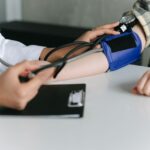
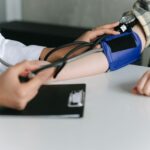
One more thing worth understanding: blood pressure fluctuates naturally throughout the day. A single reading after drinking something is not evidence the drink worked. Real changes show up as a consistent trend over multiple readings taken at the same time each day.
What Drinks Have Evidence for Lowering Blood Pressure?
Several beverages have been studied in human trials with generally consistent results. The effects tend to be small — often a few points on the systolic and diastolic scales — but they are measurable and repeatable.
Beetroot juice has the strongest evidence among juices. Beets are rich in dietary nitrates, which the body converts to nitric oxide. Nitric oxide relaxes blood vessel walls, which can lower pressure. Multiple small trials have found reductions in systolic blood pressure with regular beetroot juice intake, though study sizes were small and effects varied between individuals.
Pomegranate juice has been studied for blood pressure and arterial function. Some trials show modest improvements, but results are mixed and many studies were small or short. It is not a substitute for treatment.
Hibiscus tea has a reasonable body of research behind it. Several randomized trials found that regular hibiscus tea consumption was associated with small reductions in blood pressure. The effect appears modest and is not comparable to medication.
Green and black tea contain flavonoids that may support vascular function. The evidence for meaningful blood pressure reduction from tea alone is weaker than for hibiscus or beetroot juice, and results across studies are inconsistent.
Low-fat or skim milk is part of the DASH eating pattern, which has strong evidence for lowering blood pressure. The effect comes from the overall dietary pattern — including potassium, calcium, and reduced sodium — not from milk as a standalone remedy.
None of these should replace prescribed medication. If you take blood pressure drugs, talk to your clinician before making significant changes to what you drink.
Does Beetroot Juice Really Work for Blood Pressure?
Beetroot juice has the most plausible mechanism and the most consistent early evidence of any single beverage. The nitrates in beets convert to nitric oxide in the body, and nitric oxide is a well-established vasodilator — it relaxes and widens blood vessels.
Clinical trials have generally found small reductions in systolic blood pressure with regular intake. The size of the effect varies. Some people respond more than others, and the effect appears to fade if you stop drinking it.
The practical problem is dose and taste. The amounts used in studies are often larger than what most people would drink casually, and beetroot juice is not pleasant for everyone. Concentrated beetroot powders and shots are sold, but quality and nitrate content vary widely, and not all have been tested.
Beetroot juice can also turn urine and stool pink or red. That is harmless but can be alarming if you do not expect it.



What About Water, Coconut Water, and Sports Drinks?
Plain water does not lower blood pressure in people who are already well hydrated. It supports normal blood pressure by maintaining blood volume and kidney function, but it is not a treatment.
There is one exception worth knowing. If someone is dehydrated, drinking water can actually raise blood pressure temporarily by restoring blood volume. Hydration and blood pressure have a more complicated relationship than most people assume.
Coconut water contains potassium, which is important for blood pressure regulation. Potassium helps the body excrete sodium and eases tension in blood vessel walls. But coconut water does not contain enough potassium per serving to act as a meaningful treatment on its own.
Sports drinks are designed for electrolyte replacement during intense exercise. They typically contain sodium, which is the opposite of what most people with high blood pressure need. They are not a blood pressure remedy.
Alcohol deserves a direct mention here because it is often framed as relaxing or heart-healthy. Regular alcohol intake raises blood pressure. The relationship is dose-dependent — more alcohol means higher pressure. Reducing or stopping alcohol can lower blood pressure over weeks. This is one of the more reliable non-drug effects available.
What Drinks Should You Avoid If You Have High Blood Pressure?
Some beverages work against blood pressure control, and a few interact dangerously with medication.
- Energy drinks often contain high caffeine and other stimulants that can raise blood pressure and heart rate. Several case reports describe serious cardiac events after energy drink consumption.
- Alcohol raises blood pressure with regular intake. Heavy drinking is a well-established contributor to hypertension.
- Sugary sodas are linked to weight gain and metabolic changes that worsen blood pressure over time. The evidence is strongest for long-term patterns, not single drinks.
- Licorice tea contains glycyrrhizin, which can cause sodium retention and potassium loss, raising blood pressure. This effect is well documented.
- Large amounts of caffeine can raise blood pressure temporarily in people who do not consume it regularly. The effect tends to diminish with habitual use.
- Grapefruit juice interacts with certain blood pressure medications, including some calcium channel blockers. This interaction is clinically significant and well established.
If you take blood pressure medication, ask your pharmacist about food and drink interactions. This is a routine question with real answers.
Do These Drinks Replace Blood Pressure Medication?
No. This is the point where honesty matters most.
Dietary changes, including what you drink, can support blood pressure control. For some people with mildly elevated blood pressure, lifestyle changes alone may be enough — but that decision belongs to a clinician, not to a juice.
For people with diagnosed hypertension, drinks with modest effects do not replace medication. Stopping prescribed drugs to try a beverage can lead to dangerous blood pressure spikes.
The DASH eating pattern remains the most well-supported dietary approach for lowering blood pressure. It emphasizes vegetables, fruits, whole grains, lean protein, and low-fat dairy, while limiting sodium, added sugar, and saturated fat. Certain drinks fit into that pattern. None define it.
Potassium deserves a note. Getting enough potassium from food and drink helps counter sodium and supports healthy blood pressure. But potassium supplements can be dangerous for people with kidney disease or those taking certain medications, including ACE inhibitors and potassium-sparing diuretics. Food sources are generally safer than supplements.
Frequently Asked Questions
What is the fastest drink to lower blood pressure?
No drink lowers blood pressure within minutes. Beetroot juice and hibiscus tea have the most consistent evidence for modest reductions over days to weeks with regular intake.
Can drinking water lower blood pressure?
Water supports normal blood pressure through hydration and kidney function but does not lower it in people who are already well hydrated. In fact, restoring fluids after dehydration can raise blood pressure temporarily by increasing blood volume.
Does beetroot juice lower blood pressure as well as medication?
No. Beetroot juice has shown small reductions in systolic blood pressure in some trials, but the effect is far smaller than that of prescription antihypertensive medication and should not replace it.
Is hibiscus tea safe to drink every day?
Hibiscus tea is generally considered safe for most adults in typical amounts. It can interact with some medications, including certain diuretics and blood pressure drugs, so check with your clinician if you take prescriptions.
