
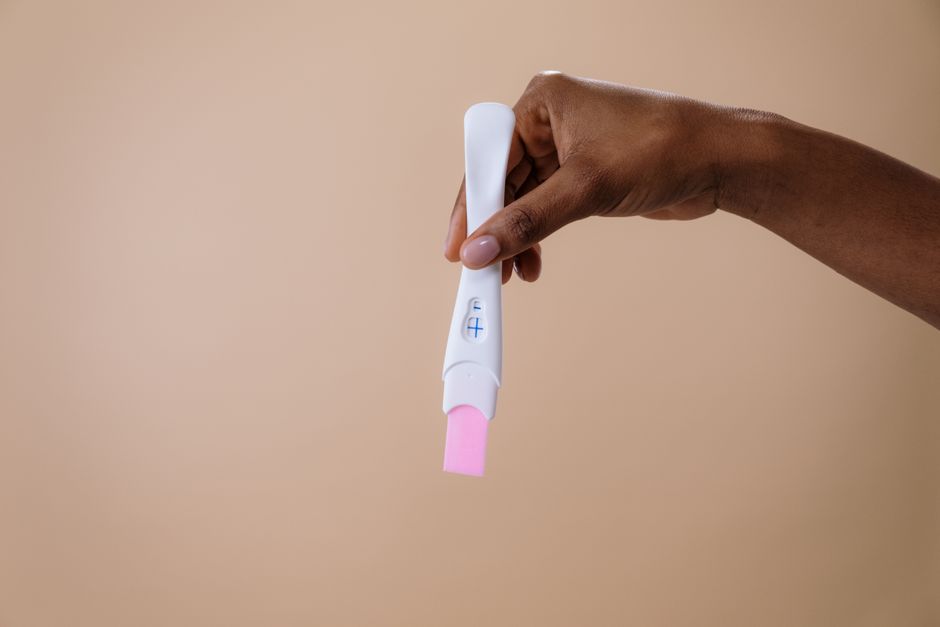
Knowing exactly when to take a pregnancy test can be the difference between a clear result and a confusing one. The most reliable time to take a test is after your missed period, which is typically around 14 days past ovulation (DPO). While some sensitive tests claim to work earlier, testing too soon often produces a false negative because your body has not yet produced enough of the pregnancy hormone hCG to be detected.
What Does DPO Mean and Why Does It Matter?
DPO stands for “days past ovulation.” It is the number of days that have passed since your ovary released an egg. This timing matters because it directly relates to when a fertilized egg can implant in your uterus and when your body starts producing the pregnancy hormone, human chorionic gonadotropin (hCG).
Your body only begins making hCG after implantation happens. Before implantation, there is no pregnancy hormone in your system. A pregnancy test measures this hormone in your urine, so if you test before implantation, the test will be negative even if you are pregnant.
When Does Implantation Actually Happen?
Implantation is the process where a fertilized egg attaches to the lining of your uterus. This is a biological event that takes time. The egg must travel down the fallopian tube and develop into a blastocyst before it can implant.
Research consistently shows that implantation typically occurs between 6 and 10 days past ovulation. It can happen as early as 6 DPO or as late as 12 DPO in some cases. After implantation, the cells that will become the placenta start producing hCG. The hormone levels rise quickly, doubling approximately every 48 to 72 hours in early pregnancy.
Because implantation happens on a range of days, the optimal testing day varies slightly from person to person. A test taken too early simply does not have enough hCG present to detect.
What Dpo Should I Take A Pregnancy Test?
The most accurate answer is to wait until the first day of your missed period, which is usually 14 DPO. This timing accounts for the widest range of implantation days and gives your body enough time to build up detectable levels of hCG.
Testing at 14 DPO is the standard recommendation because it minimizes the chance of a false negative. If you have a regular 28-day cycle, ovulation typically occurs around day 14, and your period is due around day 28. A missed period means you are approximately 14 DPO.
Some very sensitive tests claim to detect pregnancy earlier, as soon as 6 to 8 DPO. While these tests can detect low levels of hCG, the reality is that only a small percentage of women will have enough hormone in their urine that early. Testing at 10 DPO or 12 DPO is more reliable than testing at 8 DPO, but still carries a higher risk of a false negative than waiting until after your missed period.


How Pregnancy Tests Detect hCG
Home pregnancy tests work by detecting hCG in your urine. The placenta produces this hormone after implantation. The test uses antibodies that bind to the hCG molecule, creating a visible line or digital reading.
Urine tests are qualitative, meaning they tell you whether hCG is present above a certain threshold. They do not tell you the exact amount of hCG in your system. The sensitivity of a test refers to the lowest level of hCG it can detect. Tests with a sensitivity of 10 mIU/mL are more sensitive than those with a sensitivity of 25 mIU/mL.
Even with a highly sensitive test, the concentration of hCG in your urine matters. First morning urine is the most concentrated because you have not been drinking fluids overnight. If you test later in the day, your urine may be diluted, and a faint positive could be missed.
What Is the Risk of Testing Too Early?
Testing too early primarily leads to false negative results. A false negative means the test says you are not pregnant when you actually are. This happens because the hCG level in your urine is below the test’s detection threshold.
Testing before 10 DPO is particularly unreliable. Even at 10 DPO, studies indicate that only about 25 to 50 percent of pregnant women will have detectable hCG in their urine. By 12 DPO, that number rises significantly, but it is still not 100 percent. Waiting until 14 DPO or later gives the most dependable result.
Another risk of testing early is emotional distress. A negative test can be disappointing, and if you test too early, the result may simply be inaccurate. You may then need to wait several more days and test again, prolonging the uncertainty.
Can You Get a Positive Test Before a Missed Period?
Yes, it is possible to get a positive test before your missed period, but it is not guaranteed. If implantation happens early, around 6 DPO, and your body produces hCG quickly, a very sensitive test might pick it up by 10 or 11 DPO.
However, this is not the typical experience for most women. A positive result before your missed period is more likely if you ovulated earlier than you think or if your luteal phase is longer than average. The luteal phase is the time between ovulation and your next period, and it is usually 12 to 14 days long.
If you test before your missed period and get a negative result, it does not mean you are not pregnant. It only means the test did not detect hCG at that moment. The most accurate approach is to wait until after your period is late.
Tips for Getting an Accurate Result
To get the most reliable result from a home pregnancy test, follow these practical steps. Use first morning urine whenever possible because it has the highest concentration of hCG. If you test later in the day, try to hold your urine for at least four hours and limit fluid intake beforehand.
Check the expiration date on the test before using it. An expired test may give inaccurate results. Read the instructions carefully because different brands have different waiting times and reading windows. Reading a test after the recommended time can produce an evaporation line, which looks like a faint positive but is not a real result.
If you get a negative result but your period does not start, wait three to five days and test again. Your hCG levels rise quickly in early pregnancy, so a test taken a few days later is much more likely to be accurate. If you continue to get negative results and your period still has not arrived, consider seeing a healthcare provider to explore other reasons for a missed period.
When to See a Doctor
If you get a positive home pregnancy test, you should schedule an appointment with a healthcare provider to confirm the pregnancy and discuss next steps. A blood test can measure hCG levels precisely and provide a definitive answer.
You should also contact a doctor if you have irregular cycles and are unsure when you ovulated. Irregular cycles make it harder to estimate DPO and determine when to test. A healthcare provider can help you figure out the best timing based on your specific cycle.
Seek medical attention if you experience severe pelvic pain, heavy bleeding, or dizziness along with a positive pregnancy test. These symptoms can indicate an ectopic pregnancy, which is a medical emergency.
Frequently Asked Questions
Is 12 DPO too early to take a pregnancy test?
No, but it is not the most reliable time. Some women will get an accurate positive at 12 DPO, but others will still have hCG levels too low to detect, so a negative result may not be final.
Can a pregnancy test be positive at 8 DPO?
It is possible but very unlikely. Implantation usually has not happened by 8 DPO, and without implantation, there is no hCG for the test to detect.
Why is testing after a missed period more accurate?
Testing after a missed period, around 14 DPO, gives your body time to produce enough hCG to be reliably detected. This timing accounts for later implantation and reduces the risk of a false negative.
Does a negative test at 10 DPO mean I am not pregnant?
No, it does not. A negative test at 10 DPO only means the test did not detect hCG at that time. You may still be pregnant, and you should retest after your missed period.
