
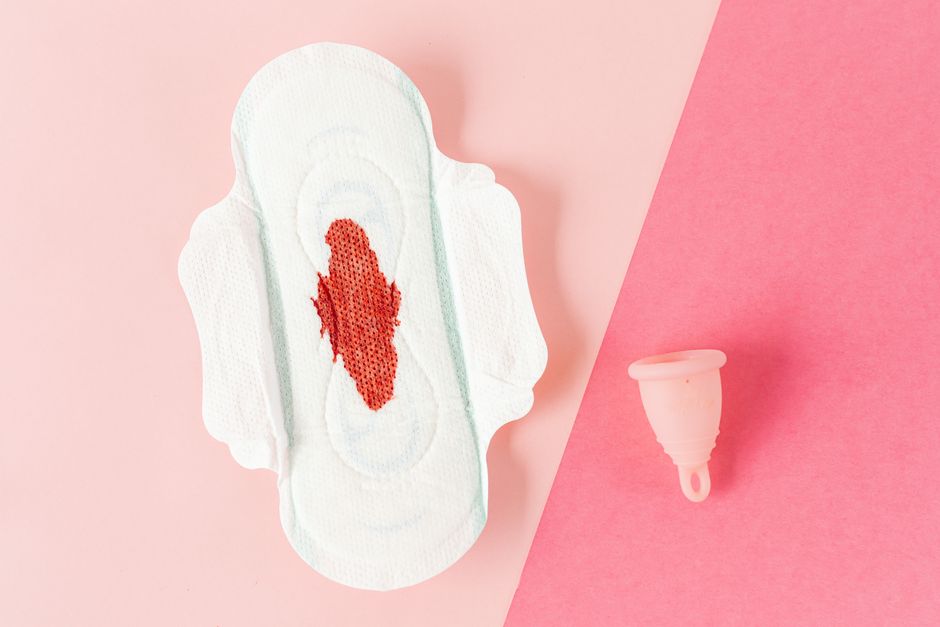
A missed period is one of the first signs of pregnancy, but it is far from the only reason your cycle may stop. Many people assume pregnancy first, but stress, hormone imbalances, certain medications, and underlying health conditions are all common causes. Your menstrual cycle is a delicate system, and when something disrupts it, your period can vanish for a month or longer. Understanding what is really going on requires looking at the whole picture, not just a pregnancy test.
What Causes Missed Periods Besides Pregnancy Most Often?
Stress is the single most common non-pregnancy cause of a missed period. When you are under chronic stress, your brain signals the adrenal glands to release cortisol. High cortisol levels can shut down the hypothalamus, the part of the brain that controls your menstrual cycle. The result is a delayed or skipped period. Research shows that even moderate daily stress can delay ovulation by several days. If ovulation is late, your period will be late too. Studies published in the Journal of Clinical Endocrinology & Metabolism have found that women with high perceived stress are twice as likely to experience irregular cycles. The good news is that once stress levels drop, cycles usually return to normal within one to two months. This is not a sign of a deeper problem. It is your body telling you to slow down.
Can Weight Changes Cause a Missed Period?
Yes. Both rapid weight loss and weight gain can stop your period. This is not about being overweight or underweight in a cosmetic sense. It is about your body fat percentage dropping too low or rising too high. When body fat falls below about 17 percent, estrogen production drops sharply. This is common in athletes, dancers, and people with eating disorders. The condition is called hypothalamic amenorrhea. The CDC reports that about 5 percent of women of reproductive age experience this at some point. On the other end, obesity can cause missed periods too. Excess fat cells produce extra estrogen, which can throw off the balance needed for regular ovulation. Polycystic ovary syndrome (PCOS) is often linked to weight gain and is a leading cause of missed periods. The key point is that your body needs a stable energy balance to maintain a regular cycle. Extreme changes in either direction disrupt that balance.
How Do Hormonal Conditions Like PCOS and Thyroid Issues Affect Your Cycle?
Polycystic ovary syndrome is one of the most common hormonal disorders in women. The National Institutes of Health estimates that 6 to 12 percent of women of reproductive age have PCOS. It causes higher levels of androgens like testosterone, which prevent ovulation. Without ovulation, you do not get a period. Many women with PCOS have irregular periods from their teenage years. Others develop it later. The classic signs are irregular periods, acne, excess facial hair, and weight gain around the middle. But you can have PCOS without all these symptoms. A blood test showing high testosterone or an ultrasound showing multiple ovarian follicles helps confirm it.
Thyroid problems are another major cause. Both an overactive thyroid (hyperthyroidism) and an underactive thyroid (hypothyroidism) can stop your period. The thyroid gland controls your metabolism. When it is off, your entire hormonal system gets confused. The American Thyroid Association notes that thyroid disorders affect about 1 in 8 women. Symptoms like fatigue, weight changes, and temperature sensitivity often accompany the missed period. A simple blood test measuring TSH can identify the issue. Treatment with thyroid medication usually restores regular cycles within a few months.





What Medications and Birth Control Methods Cause Missed Periods?
Some medications directly affect your menstrual cycle. Hormonal birth control is the most obvious. Many birth control pills, patches, rings, and IUDs work by thinning the uterine lining. Over time, this can lead to very light periods or no period at all. This is not dangerous. It is the intended effect. The American College of Obstetricians and Gynecologists states that it is safe to have no period while on hormonal birth control. Some women choose to skip periods entirely with continuous-use pills. That is normal.
Other medications can cause missed periods too. Antidepressants, especially SSRIs, can raise prolactin levels. High prolactin suppresses ovulation. Antipsychotics, blood pressure medications, and some allergy drugs can also interfere. Chemotherapy drugs often stop periods temporarily. Even over-the-counter pain relievers taken too frequently can disrupt ovulation. If you started a new medication and missed your period, check the side effects. Talk to your doctor before stopping any prescription drug.
What Lifestyle Factors Like Exercise and Travel Disrupt Your Cycle?
Intense exercise can stop your period. This is not about a light jog. It is about training at competition levels or running marathons without enough calorie intake. Female athletes in endurance sports often have irregular cycles. Research in the British Journal of Sports Medicine found that up to 50 percent of female athletes experience menstrual disturbances. The mechanism is the same as with stress. Your brain perceives intense physical stress as a threat and shuts down reproduction. Eating enough calories and getting adequate rest usually restores the cycle.
Travel across time zones can also cause a missed period. Jet lag disrupts your circadian rhythm, which is linked to your hormonal cycle. Your body’s internal clock controls when hormones like melatonin and cortisol are released. When that clock shifts suddenly, ovulation can be delayed. This is usually temporary. Your cycle should return to normal within one to two months after returning home. Shift workers who regularly change sleep schedules face a similar risk. The key is consistency. Your body craves routine.
How Does Perimenopause or Early Menopause Cause Missed Periods?
Perimenopause is the transition period before menopause. It typically starts in your mid-to-late 40s but can begin earlier. During perimenopause, estrogen levels fluctuate unpredictably. You may have heavy periods, light periods, or skip months entirely. This is normal. The average age of menopause in the United States is 51, according to the National Institute on Aging. But some women experience premature menopause before age 40. This can be caused by autoimmune conditions, genetic factors, or cancer treatments. If you are under 40 and have missed several periods, a blood test measuring follicle-stimulating hormone (FSH) can check for early menopause. The difference between perimenopause and other causes is that perimenopause is a natural process, not a disease. It is not something to fix. It is something to manage.
What Are the Side Effects of Ignoring a Missed Period?
A single missed period is usually not a medical emergency. But ignoring repeated missed periods can lead to health problems. Long stretches without a period can cause the uterine lining to build up. This increases the risk of endometrial hyperplasia, a precancerous condition. The American Cancer Society notes that women with fewer than four periods per year have a higher risk of endometrial cancer. This is especially true if the missed periods are due to PCOS or obesity. Another risk is bone density loss. Estrogen helps maintain bone strength. Without regular estrogen cycles, bones can become weaker over time. This is why women with hypothalamic amenorrhea from low body weight are at higher risk for stress fractures. If you have missed three or more periods in a row, see a healthcare provider. They can run tests to find the cause and recommend treatment.
Common Misconceptions About Missed Periods
Many viral health claims about missed periods are wrong. One common myth is that detox teas or herbal supplements can “reset” your cycle. There is no clinical evidence that any detox product restores ovulation. In fact, some herbal supplements can interfere with hormone levels and make things worse. Another myth is that you cannot get pregnant if you are not having periods. This is false. You can ovulate without having a period, especially if the missed period is due to stress or weight changes. A third misconception is that missing one period means you are infertile. That is not true either. Most causes of missed periods are temporary and treatable. A single skipped period does not mean you cannot conceive later.
Another widespread claim is that birth control causes permanent damage to your fertility. The evidence does not support this. Research published in Obstetrics & Gynecology found that women who used hormonal birth control for years had the same fertility rates as those who never used it. Your cycle may take a few months to return after stopping birth control, but it usually does. Do not believe social media posts that say otherwise.
Frequently Asked Questions
Can stress alone cause a missed period?
Yes. High stress can delay ovulation by raising cortisol levels, which can push your period back by weeks or cause it to skip entirely.
How many periods can you miss before seeing a doctor?
If you miss three periods in a row or have any other symptoms like pelvic pain, see a healthcare provider for evaluation.
Can you get pregnant without having a period?
Yes. You can ovulate without a period, especially if the missed period is due to stress, weight changes, or PCOS.
Do birth control pills cause permanent period loss?
No. Birth control pills only suppress periods while you take them. Your cycle usually returns within a few months after stopping.
