
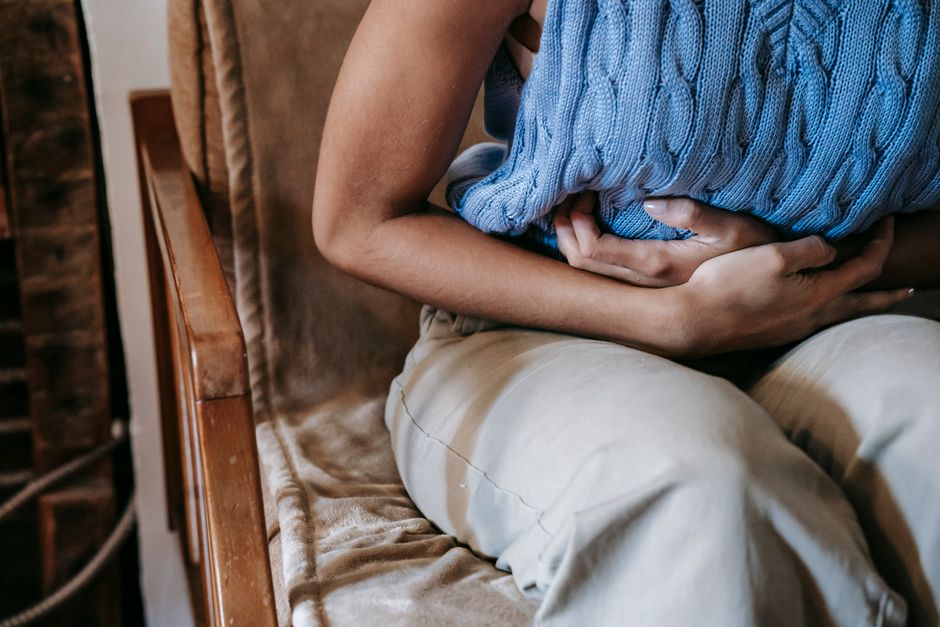
Bloating can make your stomach feel tight, full, and uncomfortable. For fast relief, try sipping peppermint tea, taking a short walk, or using an over-the-counter gas relief product like simethicone. Avoid carbonated drinks and eating too quickly. If bloating is severe or happens often, talk to a doctor to rule out an underlying condition.
What Causes a Bloated Stomach?
Bloating happens when your digestive tract fills with gas or fluid. Common causes include swallowing air while eating or drinking, eating gas-producing foods like beans or broccoli, and digestive conditions such as irritable bowel syndrome (IBS) or constipation. Food intolerances, like lactose or gluten sensitivity, can also cause bloating.
Some people experience bloating from hormonal changes, especially before or during menstruation. In most cases, bloating is temporary and not a sign of a serious problem. But if it lasts for weeks or comes with pain, weight loss, or blood in your stool, see a doctor.
How To Help A Bloated Stomach Fast Relief Tips?
When you need quick relief, these methods are supported by clinical experience and some research. Start with something simple: stand up and walk slowly for 5–10 minutes. Gentle movement helps move gas through your intestines.
Peppermint oil capsules or peppermint tea can relax the muscles of your digestive tract. Ginger tea or chewed fresh ginger may also reduce gas and nausea. A warm heating pad or hot water bottle placed on your abdomen for 15–20 minutes can ease discomfort.
Over-the-counter simethicone (brands like Gas-X) can help break up gas bubbles. However, it works best when gas is the main cause. If bloating is from constipation, a gentle stool softener or fiber supplement may help. Abdominal massage — stroking your belly in a clockwise direction — can also encourage gas release.
Avoid carbonated drinks and chewing gum during a bloating episode. Both introduce extra air into your digestive tract. Lie down on your left side for a few minutes; some research suggests this position helps gas pass more easily.
What Not to Do When You Are Bloated
Do not reach for a high-fiber snack to “clean you out.” Raw vegetables, beans, and whole grains can make bloating worse in the short term. Avoid large meals — eat a small portion of something bland like plain rice or a banana.
Do not take activated charcoal without medical guidance. While marketed for gas, clinical evidence does not consistently support its effectiveness for bloating. Some doctors caution that it can interfere with medications.
Do not assume that all bloating is from gas. If you have pelvic pain, nausea, or bloating that does not improve with gas relief methods, it may be from fluid retention, food intolerance, or a gut motility issue. Pushing through with exercise or home remedies may delay proper diagnosis.





When to See a Doctor for Bloating
You should see a doctor if bloating lasts more than two weeks, comes with severe abdominal pain, or if you have unexplained weight loss. Blood in your stool, persistent diarrhea or constipation, or bloating that wakes you up at night are also red flags.
Bloating can sometimes be a symptom of celiac disease, ovarian cancer (in women over 50), or small intestinal bacterial overgrowth (SIBO). These conditions require medical testing for diagnosis. Do not try to self-treat chronic bloating with elimination diets or supplements without a doctor’s guidance.
Can Diet Changes Prevent Bloating Long Term?
Yes, certain diet habits can reduce how often you bloat. Eating slowly and chewing food thoroughly helps you swallow less air. Avoid drinking through a straw and limit carbonated beverages.
Many people find relief by identifying and avoiding trigger foods. Common culprits include beans, lentils, onions, garlic, cabbage, and dairy. A low-FODMAP diet — which limits certain carbohydrates that ferment in the gut — has strong evidence for reducing bloating in people with IBS.
Probiotics may help some people, but the evidence is mixed. Different strains have different effects, and not all probiotic products are effective for bloating. If you want to try probiotics, choose a product that has been tested in clinical trials for gas and bloating relief, such as those containing Bifidobacterium infantis or Lactobacillus plantarum.
Staying hydrated helps prevent constipation, which can cause bloating. But drinking large amounts of water during meals may dilute stomach acid and slow digestion for some people. Drink most of your water between meals.
Does Stress Really Cause Bloating?
Yes. The brain and gut are connected through the gut-brain axis. Stress can slow digestion, increase gas production, and make you more sensitive to normal amounts of gas. If you notice that bloating worsens during stressful periods, stress management techniques like deep breathing, meditation, or regular exercise may help.
Some research suggests that gut-directed hypnotherapy and cognitive behavioral therapy can reduce bloating in people with IBS. These approaches address how the brain processes gut sensations.
Frequently Asked Questions
Does drinking water help bloating?
Yes, but timing matters. Sipping water throughout the day prevents dehydration and constipation. Drinking a large amount during meals may actually contribute to bloating for some people.
How long does a bloated stomach usually last?
Most bloating episodes pass within a few hours to a day. If bloating lasts longer than a week or keeps coming back, you should speak with a doctor.
Can exercise make bloating worse?
Gentle movement like walking can help. Intense exercise like running may worsen discomfort during a bloating episode because the jostling can increase abdominal pressure.
Is it safe to take simethicone every day?
Simethicone is not absorbed by the body and is generally safe for occasional use. If you need it daily, talk to a doctor to find out why you are bloating so often.
