
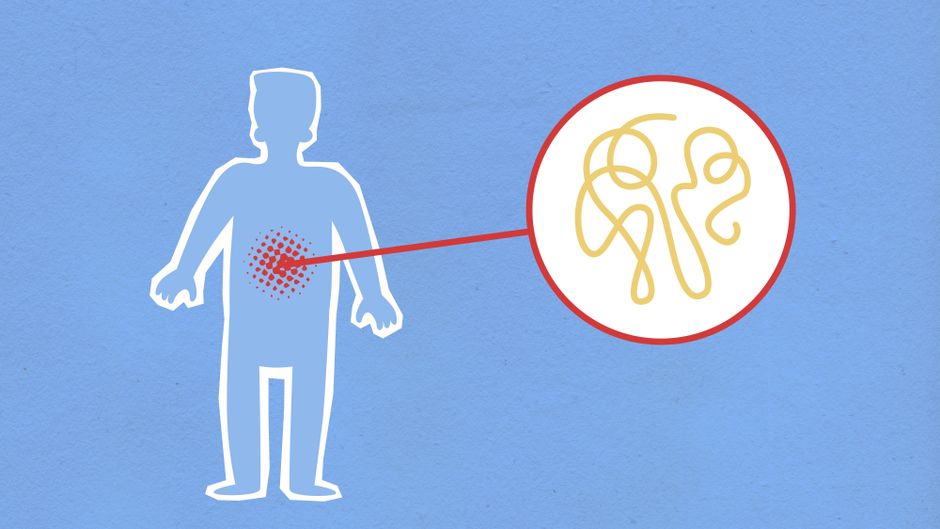
Lower left stomach pain can be unsettling. For most people, it is caused by something simple like gas, constipation, or muscle strain. But sometimes it signals a more serious problem such as diverticulitis, a kidney stone, or an ovarian condition. Understanding where the pain is coming from and what other symptoms you have is the first step to knowing what to do next.
What Organs Are in the Lower Left Abdomen?
The lower left abdomen contains several organs. The most important is the sigmoid colon, the S‑shaped section of the large intestine just before the rectum. In women, the left ovary and fallopian tube sit in this area. The left ureter — the tube that carries urine from the left kidney to the bladder — also passes through here. A small portion of the small intestine, the left spermatic cord in men, and part of the abdominal wall muscle are also present. Knowing which organs live there helps narrow down what might be hurting.
What Are the Most Common Causes of Lower Left Stomach Pain?
The cause often depends on your age, sex, and recent bowel habits. Here are the most frequent reasons:
Constipation and Gas. This is the most common cause. Hard stool or trapped gas stretches the colon wall and causes sharp or cramping pain. It usually resolves after a bowel movement or passing gas.
Diverticulitis. Diverticula are small pouches that can form in the colon wall. When one becomes inflamed or infected, it causes persistent pain in the lower left side. Fever, nausea, and a change in bowel habits often accompany it. Diverticulitis is more common in people over 40.
Irritable Bowel Syndrome (IBS). IBS can cause cramping, bloating, and alternating diarrhea and constipation. The pain is often in the lower left but can shift. The exact cause is not fully understood, but triggers include stress, certain foods, and hormonal changes.
Kidney Stones. A stone in the left ureter can cause intense pain that radiates from the back or side down into the lower abdomen and groin. The pain comes in waves and may be accompanied by blood in urine or frequent urination.
In Women: Ovarian Cysts and Menstrual Pain. Ovarian cysts are fluid‑filled sacs on the ovary. Most are harmless, but a large cyst or one that ruptures can cause sudden sharp pain. Menstrual cramps (dysmenorrhea) typically cause dull, aching lower abdominal pain that can be felt more on one side.
Muscle Strain. Overusing or injuring the abdominal muscles, especially during exercise or heavy lifting, can cause localized pain that worsens with movement.
Hernia. An inguinal hernia occurs when tissue pushes through a weak spot in the abdominal wall near the groin. It can cause a dull ache or sharp pain, especially when lifting or straining. A bulge is often felt.
Less Common but Serious Causes. These include diverticulitis complications like abscess or perforation, ovarian torsion (twisted ovary), ectopic pregnancy (in the fallopian tube — rare in the left side but possible), and ischemic colitis (reduced blood flow to the colon). These require immediate medical care.
What Does Lower Left Stomach Pain from Diverticulitis Feel Like?
Diverticulitis pain is typically steady and lingering. It often starts gradually and worsens over hours or days. The pain is usually in the lower left quadrant, but some people feel it in the middle lower abdomen. It may be accompanied by fever, chills, nausea, vomiting, and a change in bowel habits — either constipation or diarrhea. Tenderness when pressing the area and a feeling of bloating are also common. If you have these symptoms together, diverticulitis is a strong possibility, especially for people over 40.





When Should You See a Doctor for Lower Left Stomach Pain?
You should be evaluated by a healthcare provider if the pain is severe, getting worse, or lasting more than a day. Seek emergency care if you have any of these warning signs:
- Sudden, sharp pain that feels like a stab or a tearing sensation
- Fever or chills
- Vomiting, especially if you cannot keep down fluids
- Blood in your stool or vomit
- Abdomen that feels hard or tender to the touch
- Inability to pass gas or have a bowel movement
- Rapid heartbeat, dizziness, or fainting
- If you are pregnant or could be pregnant and have lower abdominal pain
These symptoms may indicate a perforated colon, ruptured appendix (though rare on the left), ectopic pregnancy, or other surgical emergency. Do not wait to see if it passes.
How Is Lower Left Abdominal Pain Diagnosed?
A doctor will start with a medical history and a physical exam. They will press on your abdomen to feel for tenderness, swelling, or a mass. They may listen to bowel sounds. Based on the findings, they might order tests:
- Blood tests to check for infection (elevated white blood cell count) or signs of inflammation
- Urine test to rule out a kidney stone or urinary tract infection
- CT scan of the abdomen and pelvis — this is the best imaging test for diagnosing diverticulitis, appendicitis, and other structural problems
- Ultrasound — often used for women to check for ovarian cysts, torsion, or pregnancy complications
- X‑ray may show signs of a blockage or perforation
The choice of test depends on what the doctor suspects. Imaging is not always needed for mild, typical cases of constipation or gas.
What Treatments Are Available for Lower Left Stomach Pain?
Treatment depends entirely on the cause.
For constipation or gas: Increasing water and fiber, gentle exercise, and over‑the‑counter stool softeners or laxatives for short‑term use. Avoiding foods that cause gas like beans, broccoli, and carbonated drinks can help.
For diverticulitis: Mild cases are treated with a liquid diet, antibiotics, and rest. Severe cases may require hospitalization and intravenous antibiotics. Surgery is rarely needed but may be considered for recurrent or complicated episodes.
For IBS: Dietary changes (low‑FODMAP diet), stress management, and sometimes medications prescribed by a gastroenterologist.
For kidney stones: Small stones often pass on their own with pain relief and increased fluid intake. Larger stones may need procedures like lithotripsy (shock wave therapy) or surgery.
For muscle strain: Rest, ice, and over‑the‑counter pain relievers like ibuprofen or acetaminophen. A gentle return to activity.
For ovarian cysts: Most resolve on their own. Large or painful cysts may be drained or removed surgically. Menstrual cramps can be treated with NSAIDs or hormonal birth control.
For a hernia: Surgery is the only cure, but a reducible hernia that is not causing symptoms can sometimes be watched.
Never take pain medication that could mask symptoms before seeing a doctor if the cause is unclear. Antibiotics are not needed for viral gastroenteritis or uncomplicated IBS.
Can Lower Left Stomach Pain Be Prevented?
Some causes can be reduced with lifestyle habits. To lower your risk of constipation and diverticulitis, eat a high‑fiber diet with plenty of fruits, vegetables, and whole grains. Drink enough water each day. Stay active — regular physical activity helps keep your digestive system moving. Avoid straining during bowel movements. For women, tracking your menstrual cycle can help you distinguish normal cramps from something else. There is no guaranteed way to prevent all causes of abdominal pain, but these habits can reduce the odds of common ones.
Frequently Asked Questions
Is lower left stomach pain always diverticulitis?
No. Diverticulitis is one possible cause, but constipation, gas, muscle strain, kidney stones, and ovarian problems are also common. The other symptoms you have help narrow it down.
Can lower left abdominal pain be from a heart attack?
Very rarely. Heart attacks usually cause chest pain, but in some people — especially women — they can cause abdominal pain. If you also have shortness of breath, nausea, or pain in the arm or jaw, seek emergency care.
How long does lower left stomach pain from constipation last?
It usually lasts hours to a day and resolves after a bowel movement or passing gas. If it lasts longer than two days despite home remedies, see a doctor.
When should a woman with lower left stomach pain go to the emergency room?
If the pain is sudden and severe, if you have vaginal bleeding or are pregnant, if you have a fever, or if you feel faint, go to the ER. These can be signs of a ruptured ovarian cyst, ectopic pregnancy, or ovarian torsion.
