

Gastric varices are swollen veins that develop in the lining of the stomach. They occur when blood flow through the liver is blocked, most often due to cirrhosis. Most people with gastric varices have no symptoms until the veins bleed. Bleeding from gastric varices can cause vomiting blood or passing black, tarry stools and is a medical emergency requiring immediate treatment.
What Are Gastric Varices?
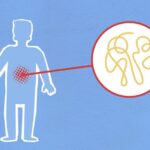
Gastric varices are abnormally enlarged blood vessels inside the stomach wall. They form when pressure in the portal vein — the main vein that carries blood from the digestive organs to the liver — becomes too high. This condition is called portal hypertension.
The increased pressure forces blood to find alternative routes back to the heart. Small veins in the stomach lining (and sometimes the esophagus) expand to carry this extra flow. Over time they stretch and become fragile.
Gastric varices are less common than esophageal varices but tend to bleed more severely when they rupture. They can occur in different parts of the stomach. The location and size affect the risk of bleeding and the treatment approach.
What Are Varices In The Stomach Symptoms Risks?
Most people with gastric varices do not know they have them until bleeding occurs. The first sign is often sudden, painless vomiting of bright red blood or dark clots (hematemesis). Some people have black, sticky stools (melena) from blood passing through the digestive tract.
If bleeding is heavy, symptoms of blood loss may develop quickly. These include lightheadedness, weakness, rapid heart rate, pale skin, and fainting. Low blood pressure can lead to shock.
The biggest risk of gastric varices is life-threatening hemorrhage. Once a varix bleeds, the chance of rebleeding is high without treatment. Bleeding can also cause serious complications such as infection in the abdominal cavity (spontaneous bacterial peritonitis) and kidney failure.
Even a small bleed can be dangerous because the stomach environment makes it hard for clots to stay in place. Bleeding esophageal varices are more common, but gastric varices bleeding is often harder to control and carries a higher death rate per episode.
What Causes Gastric Varices?
The root cause of gastric varices is portal hypertension. In most cases this is from cirrhosis — severe scarring of the liver. Cirrhosis can result from long-term heavy alcohol use, chronic hepatitis B or C infection, fatty liver disease, or other conditions that damage the liver.
Other less common causes include blood clots in the portal vein (portal vein thrombosis), liver cancer, and inherited disorders that affect the liver’s blood vessels. In rare cases, heart failure or pancreatic disease can raise portal pressure.
The liver normally acts like a filter. Scarring stiffens the liver and slows blood flow. Pressure builds upstream in the portal vein, and blood seeks collateral pathways through smaller veins in the stomach and esophagus. Those veins are not designed for high flow or high pressure, so they gradually enlarge into varices.




How Are Gastric Varices Diagnosed?
Gastric varices are usually found during an upper endoscopy. A thin, flexible tube with a camera is passed through the mouth into the stomach. This allows the doctor to see the varices directly and assess their size and appearance.
Endoscopy is the standard tool for diagnosing both esophageal and gastric varices. It is often done as a screening test in people with cirrhosis, even before they have symptoms.
Imaging tests such as CT scans can also show gastric varices. CT angiography can map the abnormal veins in detail, especially when endoscopy cannot see the whole area. Ultrasound or MRI may be used to evaluate the liver and portal vein.
If a person vomits blood or has black stools, endoscopy is done urgently to find and treat the source of the bleeding.
How Are Gastric Varices Treated?
Treatment has two goals: stop active bleeding and prevent rebleeding. For an active bleed, the first step is usually endoscopic therapy. A doctor injects a tissue adhesive (glue) directly into the varix to seal it. Band ligation works well for esophageal varices but is less effective in the stomach.
If endoscopic injection fails or bleeding is severe, a procedure called TIPS (transjugular intrahepatic portosystemic shunt) may be used. TIPS places a small metal tube inside the liver to create a new channel that lowers portal pressure.
Medications can also help. Non‑selective beta‑blockers such as propranolol or nadolol reduce portal pressure and lower the risk of first or recurrent bleeding. Octreotide, a drug that tightens blood vessels, is sometimes given during an acute bleed.
For people who cannot have TIPS or who continue to bleed, a surgical shunt or liver transplant may be considered. A transplant treats both the varices and the underlying liver disease.
Can Gastric Varices Be Prevented?
Preventing gastric varices means preventing or managing the liver disease that causes them. For people with cirrhosis, avoiding alcohol, getting vaccinated for hepatitis, maintaining a healthy weight, and controlling diabetes can slow disease progression.
Screening endoscopy is recommended for everyone diagnosed with cirrhosis. If varices are found but have not bled, beta‑blockers or endoscopic treatment can reduce the risk of a first bleed. This approach is called primary prevention.
There is no way to directly prevent varices from forming once portal hypertension is present. But with regular monitoring and the right medications, many people avoid bleeding for years. For those who have bled, ongoing treatment reduces the chance of another life‑threatening event.
Frequently Asked Questions
Can you live with gastric varices without bleeding?
Yes, many people with gastric varices never experience bleeding. With medications to lower portal pressure and regular endoscopic monitoring, the risk of a first bleed can be significantly reduced.
Are gastric varices more dangerous than esophageal varices?
Gastric varices tend to bleed less often than esophageal varices, but when they do bleed, the bleeding is often more severe and harder to control. The overall risk of death from a bleeding gastric varix is higher.
What should I do if I vomit blood?
Vomiting blood is a medical emergency. Call 911 or go to the nearest emergency room immediately. Do not wait to see if it stops. Rapid treatment can save your life.
