

Having high red blood cells means your bone marrow is producing more red blood cells than your body needs, or your blood is more concentrated than it should be. This condition, called erythrocytosis or polycythemia, can affect how your blood flows and how much oxygen reaches your tissues. The meaning ranges from a harmless adaptation to a sign of an underlying health problem that needs attention.
What Are Red Blood Cells and What Do They Do?
Red blood cells carry oxygen from your lungs to every tissue in your body. They also carry carbon dioxide back to your lungs so you can breathe it out. Each red blood cell contains hemoglobin, the protein that actually binds to oxygen and gives blood its red color.
Your body carefully regulates red blood cell production. When oxygen levels in your tissues drop, your kidneys release a hormone called erythropoietin. This hormone signals your bone marrow to make more red blood cells. When oxygen levels are normal, production slows down. This system keeps your red blood cell count within a narrow, healthy range.
A normal red blood cell count varies by age and sex. For adult men, the typical range is about 4.7 to 6.1 million cells per microliter of blood. For adult women, it is about 4.2 to 5.4 million cells per microliter. Laboratories may use slightly different ranges, so your doctor will interpret your results based on the specific reference values from the lab that processed your blood.
What Does It Mean To Have High Red Blood Cells?
High red blood cells, medically called erythrocytosis, means your red blood cell count is above the normal range for your age and sex. This is not a disease itself. It is a laboratory finding that points to one of several possible underlying causes.
There are two main categories of high red blood cells. The first is relative erythrocytosis. In this case, your body has a normal total number of red blood cells, but your blood plasma volume is low. This makes the red blood cells appear more concentrated than they really are. Dehydration is the most common cause. When you lose fluid without replacing it, your blood becomes thicker and the red blood cell percentage goes up.
The second category is absolute erythrocytosis. Here, your body is actually producing more red blood cells than normal. This can happen because your tissues are not getting enough oxygen, because your bone marrow is overproducing cells on its own, or because your kidneys are releasing too much erythropoietin.
What Causes High Red Blood Cell Counts?
The causes fall into several distinct groups. Understanding which group applies to you matters because the treatment differs completely.
Low oxygen levels in the blood. When your body senses chronic low oxygen, it responds by making more red blood cells. This is a normal, adaptive response. It happens in people who live at high altitudes, where the air has less oxygen. It also happens in people with lung diseases like COPD, in smokers who inhale carbon monoxide, and in people with heart conditions that allow oxygen-poor blood to mix with oxygen-rich blood.
Bone marrow disorders. Polycythemia vera is a condition where the bone marrow produces too many red blood cells without any external signal to do so. This is a myeloproliferative disorder, meaning the bone marrow cells themselves have a genetic mutation that drives overproduction. It is not caused by low oxygen or by high erythropoietin levels. Polycythemia vera is a chronic condition that requires ongoing medical management.
Abnormal erythropoietin production. Some tumors, particularly kidney tumors and liver tumors, can produce erythropoietin on their own. This causes the bone marrow to make more red blood cells even though oxygen levels are normal. This is a rare cause but one that doctors look for when no other explanation exists.
Dehydration. Severe dehydration concentrates your blood. The red blood cell count appears high on a lab test, but the actual number of red blood cells in your body is normal. This resolves once you restore your fluid balance.
Certain medications and substances. Testosterone therapy and anabolic steroids can stimulate red blood cell production. Erythropoietin injections, sometimes used to treat anemia or abused by athletes, also raise red blood cell counts.




What Symptoms Can High Red Blood Cells Cause?
Many people with mildly elevated red blood cell counts have no symptoms at all. The condition is often discovered during a routine blood test done for another reason.
When symptoms do occur, they relate to the blood becoming thicker and flowing less easily. This is called increased blood viscosity. Common symptoms include headaches, dizziness, blurred vision, and ringing in the ears. Some people notice their skin looks flushed, particularly on the face. Others feel fatigued or short of breath.
More serious complications can occur when blood becomes very thick. The risk of blood clots increases. Blood clots can travel to the lungs, causing a pulmonary embolism, or to the brain, causing a stroke. These are uncommon with mild elevations but become a real concern when red blood cell counts are significantly above normal.
Itching, especially after a warm shower or bath, is a symptom specifically associated with polycythemia vera. This happens because the extra red blood cells release histamine when they break down. Not everyone with polycythemia vera experiences this, but it is a recognized symptom of the condition.
How Is High Red Blood Cell Count Diagnosed?
Diagnosis starts with a complete blood count, commonly called a CBC. This test measures your red blood cell count, hemoglobin level, and hematocrit. Hematocrit is the percentage of your blood volume that consists of red blood cells.
If your initial test shows elevated levels, your doctor will likely repeat the test to confirm the finding. One elevated reading can be a fluke caused by dehydration or a tourniquet left on too long during blood draw.
Once confirmed, your doctor will order additional tests to determine the cause. A blood test for erythropoietin level helps distinguish between causes. Low erythropoietin suggests polycythemia vera. High erythropoietin suggests your body is responding to low oxygen or to a tumor producing the hormone.
An oxygen saturation test measures how much oxygen is in your blood. Low oxygen saturation points toward lung disease, heart disease, or high altitude as the cause. Normal oxygen saturation shifts the focus toward bone marrow disorders or abnormal erythropoietin production.
If polycythemia vera is suspected, your doctor may test for the JAK2 mutation. Most people with polycythemia vera have this genetic mutation. A bone marrow biopsy may be needed in some cases to confirm the diagnosis.
What Are the Treatment Options?
Treatment depends entirely on the underlying cause. There is no single treatment for high red blood cells.
For relative erythrocytosis caused by dehydration, treatment is simple. Replacing fluids brings the red blood cell count back to normal. No further treatment is needed.
For high red blood cells caused by low oxygen, the focus is on treating the underlying condition. This may include oxygen therapy for lung disease, smoking cessation, or treating the heart condition. Living at high altitude is not a disease and requires no treatment.
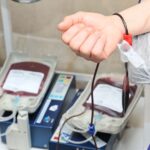
For polycythemia vera, treatment aims to reduce the risk of blood clots. The most common approach is therapeutic phlebotomy. This involves removing blood from a vein, similar to donating blood, to lower the red blood cell count. Some people also take medication to suppress bone marrow activity. Low-dose aspirin is often prescribed to reduce clot risk.
For high red blood cells caused by testosterone therapy or anabolic steroids, stopping the medication usually resolves the problem. This decision should be made with your doctor, as stopping testosterone therapy has its own implications.
Can High Red Blood Cells Be Prevented?
Prevention only applies to certain causes. You cannot prevent polycythemia vera or a tumor producing erythropoietin. You can take steps to avoid the situations that lead to other forms of high red blood cell count.
Staying well hydrated is the most practical preventive step. This is especially important in hot weather, during exercise, and when you are sick with vomiting or diarrhea. Chronic dehydration can keep your red blood cell count artificially elevated for long periods.
Avoiding tobacco is another meaningful step. Smoking reduces oxygen in your blood, which triggers your body to make more red blood cells. Quitting smoking can lower your red blood cell count to normal over time.
If you take testosterone therapy, your doctor should monitor your red blood cell count regularly. This is standard practice. If your levels rise too high, your doctor may adjust your dose or recommend phlebotomy.
When Should You See a Doctor?
You should see a doctor if you have symptoms that concern you or if a blood test has shown elevated red blood cells. Do not wait for symptoms to appear before seeking evaluation.
Seek urgent medical care if you experience chest pain, sudden shortness of breath, weakness on one side of your body, difficulty speaking, or sudden vision changes. These can be signs of a blood clot or stroke and require immediate attention.
An elevated red blood cell count on a routine blood test is worth discussing with your doctor. Most causes are manageable, and early evaluation can identify serious conditions like polycythemia vera before complications develop.
Frequently Asked Questions
Can high red blood cells be a sign of cancer?
Yes, in some cases. Polycythemia vera is a bone marrow disorder that is not cancer in the traditional sense but behaves similarly and can progress to leukemia in rare cases.
Some kidney and liver tumors can also produce erythropoietin, which raises red blood cell counts, but this is uncommon.
Is high red blood cell count dangerous?
It can be. Mild elevations often cause no problems, but significantly elevated counts increase blood viscosity and raise the risk of blood clots, stroke, and pulmonary embolism.
The danger depends on the underlying cause and how high the count is.
Can dehydration cause high red blood cells?
Yes. Dehydration reduces plasma volume, which concentrates the red blood cells and makes the count appear high on a blood test.
This is called relative erythrocytosis, and it resolves once you restore your fluid balance.
What is a normal red blood cell count?
For adult men, the normal range is about 4.7 to 6.1 million cells per microliter. For adult women, it is about 4.2 to 5.4 million cells per microliter.
Laboratories may use slightly different reference ranges, so your doctor will interpret your results based on the specific lab that processed your blood.
