
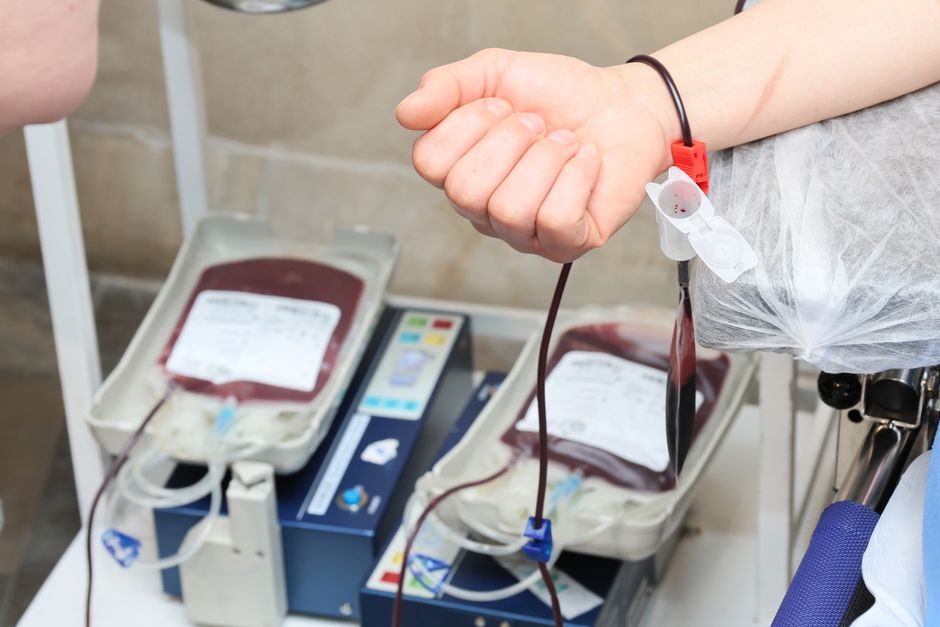
Your blood is not a simple red liquid. It is a living tissue made of billions of cells, each with a specific job. Most people know about red blood cells and white blood cells, but the full answer is more detailed. In total, there are three main types of blood cells: red blood cells, white blood cells, and platelets. However, white blood cells break down into five distinct subtypes, which means your body actually produces eight different kinds of blood cells overall. Each one has a unique role in keeping you alive, from carrying oxygen to fighting infection to stopping bleeding.
What Are the Three Main Types of Blood Cells?
The three broad categories are red blood cells, white blood cells, and platelets. These are not just different sizes or colors. They develop from the same starting point — a stem cell in your bone marrow — but they become completely specialized cells with different structures and functions.
Red blood cells, or erythrocytes, make up about 40-45% of your blood volume. They contain hemoglobin, the protein that binds oxygen in your lungs and releases it throughout your body. They live for about 120 days before being recycled by your spleen and liver.
White blood cells, or leukocytes, are your immune system’s defense force. They are far fewer in number than red cells, but they multiply rapidly when you have an infection. Platelets, or thrombocytes, are actually cell fragments, not whole cells. They clump together at the site of a wound and form clots to stop bleeding.
How Many Types of White Blood Cells Are There?
There are five distinct types of white blood cells. Each one attacks threats in a different way. They are divided into two groups based on whether they have visible granules in their cytoplasm under a microscope.
The three granulocytes are:
- Neutrophils — the most common white blood cell, making up 40-70% of all white cells. They are the first responders to bacterial infections and engulf pathogens through a process called phagocytosis.
- Eosinophils — these fight parasites and play a major role in allergic reactions. They make up only 1-4% of white blood cells.
- Basophils — the rarest white blood cell, under 1%. They release histamine during allergic responses and heparin, which prevents blood clotting.
The two agranulocytes are:
- Lymphocytes — these include B cells, T cells, and natural killer cells. B cells produce antibodies. T cells destroy infected cells. Natural killer cells attack tumors and viruses. Lymphocytes make up 20-40% of white blood cells.
- Monocytes — these are the largest blood cells. They leave the bloodstream and enter tissues, where they mature into macrophages that engulf debris and dead cells. They make up 2-8% of white blood cells.
When you add the red blood cells and platelets to these five white cell types, the total comes to seven. But some counting systems separate the three types of lymphocytes into their own categories, which brings the total to eight or even more depending on how specific you want to be. The standard clinical answer is three main types, with five white blood cell subtypes.
How Many Types Of Blood Cells Exist In Your Body — The Full Count
If you want the complete functional count, your body produces eight distinct blood cell types. This includes the three lymphocyte subtypes — B cells, T cells, and natural killer cells — counted separately from each other. Here is the full list:
- Red blood cells (erythrocytes)
- Platelets (thrombocytes)
- Neutrophils
- Eosinophils
- Basophils
- Lymphocytes — B cells
- Lymphocytes — T cells
- Lymphocytes — Natural killer cells
- Monocytes
That list actually shows nine entries, but it depends on whether you count the three lymphocyte types individually or group them together. The most common answer in medical textbooks is three main types of blood cells, with five white blood cell subtypes. If you count the lymphocyte subtypes separately, the number is higher.
All of these cells originate from hematopoietic stem cells in your bone marrow. This is a continuous process. Your body produces roughly 200 billion new red blood cells every day. White blood cell production increases dramatically during infection. Platelet production is regulated by a hormone called thrombopoietin.





What Does Each Blood Cell Type Actually Do?
Understanding the function of each cell type helps explain why blood tests are so important. A complete blood count, or CBC, measures the levels of each of these cells. Abnormal levels can point to specific health problems.
Red blood cells carry oxygen from your lungs to every tissue in your body. They also carry carbon dioxide back to your lungs so you can exhale it. Low red blood cell counts cause anemia, which leads to fatigue, pale skin, and shortness of breath.
Platelets are essential for clotting. When you cut yourself, platelets stick to the damaged blood vessel wall and release chemicals that activate more platelets. They form a plug that stops bleeding. Low platelet counts cause easy bruising and prolonged bleeding. High platelet counts increase the risk of abnormal clotting.
Neutrophils are your rapid response team. They are drawn to sites of infection by chemical signals and engulf bacteria within minutes. Pus is largely made of dead neutrophils and bacteria.
Lymphocytes provide adaptive immunity. This means they remember specific pathogens. Once you have been exposed to a virus, your B cells can produce antibodies against it for years. T cells coordinate the immune response and directly kill infected cells. Natural killer cells provide a faster, less specific defense.
Monocytes are the cleanup crew. They circulate in the blood for a few days, then move into tissues where they become macrophages. Macrophages can ingest large particles, dead cells, and debris. They also present pieces of pathogens to other immune cells to trigger a stronger response.
How Are Blood Cell Levels Measured?
Doctors measure blood cells through a test called a complete blood count. This test provides counts for each cell type and is one of the most common blood tests ordered worldwide.
Normal reference ranges for adults are generally:
- Red blood cells: 4.35–5.65 million cells per microliter for men, 3.92–5.13 million for women
- White blood cells: 4,500–11,000 cells per microliter
- Platelets: 150,000–450,000 per microliter
These ranges can vary slightly between laboratories. A result outside these ranges does not automatically mean disease. Many factors affect blood cell counts, including altitude, pregnancy, recent infection, smoking, and certain medications.
A high white blood cell count often signals infection or inflammation. A low count can result from viral infections, bone marrow disorders, or certain medications. Low red blood cells indicate anemia. High red blood cells can occur with dehydration, lung disease, or a bone marrow condition called polycythemia vera.
What Happens When Blood Cell Production Goes Wrong?
Blood cell disorders range from mild to life-threatening. Some affect only one cell line. Others affect all blood cells because the problem lies in the bone marrow itself.
Leukemia is a cancer of white blood cells. The bone marrow produces abnormal white cells that do not function properly. These cells crowd out healthy red blood cells and platelets, leading to anemia and bleeding problems. Leukemia can be acute and fast-growing or chronic and slow-growing.
Anemia is the most common blood disorder. It occurs when you do not have enough healthy red blood cells to carry adequate oxygen to your tissues. Iron deficiency is the most common cause worldwide. Vitamin B12 deficiency, blood loss, and chronic disease can also cause anemia.
Thrombocytopenia is a condition of low platelet counts. It can be caused by immune system attack on platelets, certain medications, pregnancy, or bone marrow disorders. Mild cases may not require treatment. Severe cases can cause dangerous internal bleeding.
Bone marrow failure syndromes, such as aplastic anemia, occur when the stem cells in the marrow stop producing enough blood cells of any type. This is a serious condition that often requires treatment with immunosuppressive drugs or a bone marrow transplant.
Can You Increase Your Blood Cell Count Naturally?
Many people ask about boosting blood cell counts through diet or supplements. The honest answer is that most healthy people do not need to do anything. Your bone marrow produces blood cells continuously without any special effort.
Certain nutrients are required for blood cell production. Iron, vitamin B12, and folate are necessary for red blood cell formation. Vitamin K supports proper clotting. Copper and zinc play roles in white blood cell function. If you are deficient in these nutrients, correcting the deficiency will help. If you are not deficient, taking extra supplements will not increase your blood cell counts.
Regular exercise can slightly increase your blood plasma volume but does not increase red blood cell production in a meaningful way for most people. The exception is altitude training, which stimulates the kidneys to produce more erythropoietin, the hormone that drives red blood cell production. This effect is why athletes sometimes train at high altitudes.
No food or supplement has been proven to increase white blood cell counts in healthy individuals. Claims that certain products “boost immunity” by raising white blood cell numbers are not supported by clinical evidence. A balanced diet supports normal immune function, but it does not create superhuman defense systems.
If your blood counts are genuinely low, the cause matters more than any supplement. Iron deficiency requires iron. B12 deficiency requires B12. Bone marrow disorders require medical treatment. Guessing at supplements without knowing the cause can delay proper treatment and allow the underlying condition to progress.
When Should You Worry About Your Blood Cells?
Most people never need to think about their blood cell counts. But certain symptoms should prompt a medical evaluation. Persistent fatigue, unexplained bruising, frequent infections, or prolonged bleeding after minor cuts can all indicate blood cell problems.
These symptoms are not specific. Many conditions cause them. But when they occur together or persist for weeks, a simple blood test can provide answers. A complete blood count is inexpensive, quick, and gives your doctor a clear picture of what your blood cells are doing.
Routine blood counts are also part of annual physical exams for many adults. Even without symptoms, a CBC can detect silent problems like mild anemia or early signs of blood disorders. The earlier these conditions are found, the more treatment options are available.
Frequently Asked Questions
How many blood cells are in the human body?
The average adult has about 25 trillion red blood cells circulating at any time. White blood cells and platelets add millions more, but red blood cells vastly outnumber them.
What is the lifespan of each blood cell type?
Red blood cells live about 120 days. Platelets last 7-10 days. Neutrophils survive only hours to a few days. Lymphocytes can live for years, which is how immunological memory works.
Can blood cell counts change with age?
Yes. Red blood cell counts typically decrease slightly in older adults. Lymphocyte counts also decline with age, which partly explains why older adults have weaker immune responses to infections and vaccines.
Which blood cell type is most common?
Red blood cells are by far the most numerous. They outnumber white blood cells by about 600 to 1. Among white blood cells, neutrophils are the most common type.
