
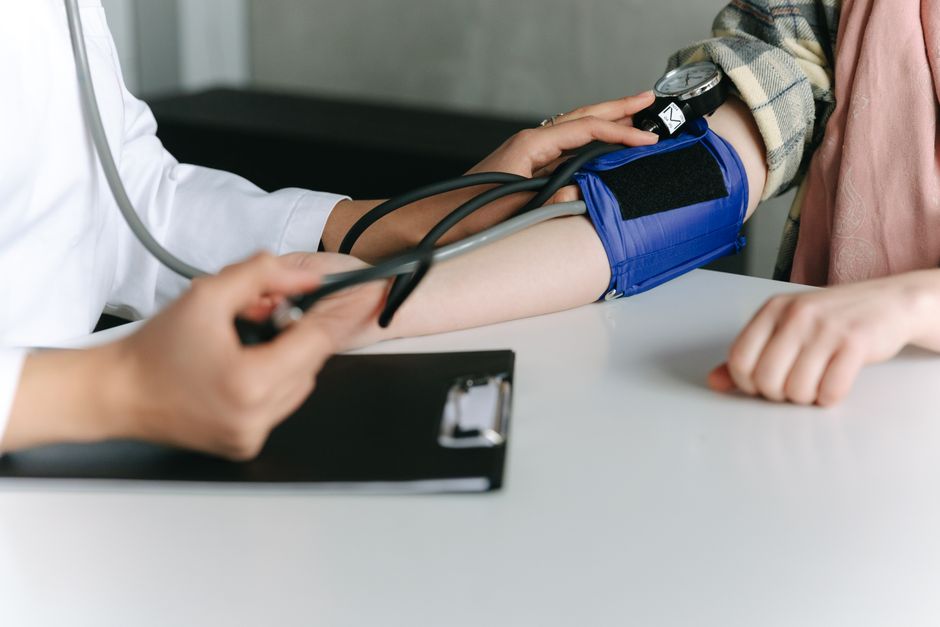
Low blood pressure means the force of blood against your artery walls is lower than normal. For most healthy adults, that reading is below 90/60 mmHg. While high blood pressure gets most of the attention, low blood pressure can also cause problems. The key question is whether you have symptoms. Many people walk around with naturally low blood pressure and feel perfectly fine. Others experience dizziness, fatigue, or fainting. The meaning of a low reading depends entirely on your body and your symptoms.
What Is Considered Low Blood Pressure?
Doctors define low blood pressure as a reading below 90/60 mmHg. The first number, systolic, measures pressure when your heart beats. The second number, diastolic, measures pressure between beats.
But a single low reading does not tell the whole story. A marathon runner with a reading of 85/55 who feels great has no medical problem. The same reading in someone who feels lightheaded when standing is a different situation entirely. Context matters more than the number itself.
Blood pressure naturally fluctuates throughout the day. It dips during sleep and rises with activity, stress, or excitement. A single low reading at the doctor’s office may not reflect your typical blood pressure. Home monitoring over several days gives a more accurate picture.
What Are the Symptoms of Low Blood Pressure?
Symptoms appear when blood flow to the brain and other organs drops too low. Common symptoms include:
- Dizziness or lightheadedness
- Fainting or near-fainting
- Blurred vision
- Nausea
- Fatigue or weakness
- Difficulty concentrating
- Cold, clammy skin
These symptoms often appear when you stand up quickly. This is called orthostatic hypotension. Blood pools in your legs when you stand, and your body needs a moment to push it back upward. In people with low blood pressure, that adjustment can be slow.
Severe symptoms require prompt medical attention. Confusion, chest pain, or loss of consciousness can signal a dangerous drop in blood pressure. If someone faints and does not recover quickly, call emergency services.
What Causes Low Blood Pressure?
Many factors can lower blood pressure. Some are harmless. Others point to underlying health problems.
Dehydration is a common cause. When you lose more water than you take in, your blood volume drops. Less blood means less pressure against artery walls. Vomiting, diarrhea, heavy sweating, or simply not drinking enough water can trigger this.
Medications frequently cause low blood pressure. Blood pressure medications, water pills, antidepressants, and drugs for erectile dysfunction can all lower pressure. Some people need dose adjustments if their pressure drops too far.
Heart conditions can also cause low blood pressure. A weak heart muscle pumps less blood with each beat. Heart valve problems can disrupt normal blood flow. An irregular heartbeat may prevent the heart from filling properly between beats.
Endocrine disorders like thyroid disease, adrenal insufficiency, or low blood sugar can affect blood pressure regulation. Diabetes can damage the nerves that help control blood pressure.
Pregnancy often causes blood pressure to drop, especially in the first two trimesters. This is usually harmless and resolves after delivery.
Blood loss from injury or internal bleeding reduces blood volume. Severe bleeding can cause blood pressure to fall dangerously low.
Nutritional deficiencies such as low vitamin B12 or folate can cause anemia. Anemia means fewer red blood cells to carry oxygen, and the body responds by lowering blood pressure.


What Does It Mean If Your Blood Pressure Is Low?
If you have low blood pressure but no symptoms, it likely means nothing harmful. Your body simply operates at a lower baseline. This is common in young people, athletes, and people who are physically fit. It is not a disease and requires no treatment.
If you have symptoms, low blood pressure may mean your organs are not getting enough blood. The brain is especially sensitive. Dizziness and fainting happen when the brain briefly receives too little oxygen. This can be dangerous if it causes falls or accidents.
Low blood pressure can also signal an underlying condition that needs attention. Heart problems, dehydration, infections, or bleeding can all present with low blood pressure. In these cases, the low reading is a clue pointing to a larger issue.
In rare cases, low blood pressure can be life-threatening. Septic shock, anaphylaxis, and severe bleeding all cause dangerous drops in blood pressure. These conditions come with additional symptoms like fever, difficulty breathing, or swelling. They require emergency treatment.
When Should You See a Doctor?
Schedule a medical appointment if you have repeated symptoms of low blood pressure. Dizziness, fainting, or persistent fatigue deserve a proper evaluation. Your doctor can measure your blood pressure in different positions and run tests to find the cause.
Seek emergency care immediately if low blood pressure comes with any of these warning signs:
- Fainting that lasts more than a minute
- Chest pain or shortness of breath
- Confusion or disorientation
- Black or bloody stool
- High fever
- Severe vomiting or diarrhea
These symptoms can indicate a medical emergency. Do not wait to see if they improve on their own.
How Is Low Blood Pressure Treated?
Treatment depends on the cause. If no underlying problem exists and you have no symptoms, no treatment is needed.
For dehydration, increasing fluid intake usually resolves the issue. Water is the best choice. Electrolyte drinks can help after heavy sweating or illness.
If a medication is causing low blood pressure, your doctor may adjust the dose or switch to a different drug. Never stop taking a prescribed medication on your own. Some medications need to be tapered gradually to avoid rebound effects.
For orthostatic hypotension, simple lifestyle changes can help. Standing up slowly gives your body time to adjust. Drinking more water increases blood volume. Compression stockings can prevent blood from pooling in your legs.
Some people benefit from eating smaller, more frequent meals. Large meals pull blood toward the digestive system, which can cause blood pressure to drop afterward. This is called postprandial hypotension.
In severe cases, doctors may prescribe medications to raise blood pressure. These drugs are reserved for people whose symptoms interfere with daily life. They are not first-line treatment and are not appropriate for everyone.
Can You Prevent Low Blood Pressure?
You cannot always prevent low blood pressure. Some causes, like genetics or pregnancy, are outside your control. But you can reduce your risk of common triggers.
Stay hydrated throughout the day. Aim for enough fluids that your urine stays light yellow. Increase intake during hot weather, exercise, or illness.
Avoid alcohol, which can lower blood pressure. If you drink, do so in moderation and with food.
Rise slowly from sitting or lying positions. Give your body a few seconds to adjust before you stand fully upright.
If you take blood pressure medication, check your readings regularly at home. Report any concerning numbers to your doctor. Your medication may need adjustment over time.
Frequently Asked Questions
Is low blood pressure dangerous?
Low blood pressure is only dangerous when it causes symptoms or signals an underlying condition. Asymptomatic low blood pressure is generally harmless and requires no treatment.
What is a dangerously low blood pressure number?
Readings below 90/60 mmHg are considered low, but danger depends on symptoms and context. A reading that causes fainting, confusion, or chest pain is a medical emergency regardless of the exact number.
Can low blood pressure cause a heart attack?
Low blood pressure does not cause heart attacks. However, a sudden drop in blood pressure can be a sign of a heart attack in progress. If chest pain accompanies low blood pressure, seek emergency care.
What should I do if I feel dizzy from low blood pressure?
Sit or lie down immediately to prevent a fall. Drink water if you might be dehydrated. If dizziness persists or you faint, seek medical attention.
