

Garlic has been used as both food and medicine for thousands of years, and modern research has taken a serious look at its effect on blood pressure. The short answer: some evidence suggests garlic can lower blood pressure modestly, especially in people with high blood pressure, but the effect is generally small and not a replacement for prescribed medication. The form matters a great deal — aged garlic extract and standardized powders have the most research behind them, while garlic salt and garlic bread do not.
Can Garlic Lower Blood Pressure?
Yes, but modestly. A body of clinical trials and several meta-analyses have examined garlic preparations in people with and without hypertension, and the general finding is a small reduction in systolic and diastolic blood pressure compared with placebo.
The size of that reduction varies between studies. Some trials show little to no effect. Others show a meaningful drop, particularly in people whose blood pressure is already elevated. This inconsistency is one reason garlic is not treated as a first-line hypertension treatment in clinical guidelines.
What the research does not support is the idea that garlic can bring severely high blood pressure down to normal on its own. If your blood pressure is 160/100 mmHg or higher, garlic is not a substitute for medical care. It may be a reasonable addition to a broader plan, but that conversation belongs with your doctor.
How Does Garlic Affect Blood Pressure?
The proposed mechanism centers on a compound called allicin, which forms when garlic is crushed, chopped, or chewed. Allicin and related sulfur compounds appear to promote the release of hydrogen sulfide and nitric oxide in blood vessels. Both of these molecules help blood vessels relax and widen.
Widened blood vessels mean less resistance to blood flow, which can lower pressure. This is a plausible and reasonably well-studied mechanism. What is less clear is how much of this effect survives digestion, how much garlic compounds actually reach the bloodstream in active form, and how much the effect varies from person to person.
Garlic also has mild antiplatelet activity, meaning it can reduce how readily platelets clump together. That is relevant for people on blood-thinning medication, and it is worth mentioning to a doctor before starting a garlic supplement.
Which Form of Garlic Has the Most Evidence?
Not all garlic is the same, and the research reflects that. The preparations with the most clinical trial data are aged garlic extract and standardized garlic powder tablets. Raw garlic and garlic oil have far less controlled human data behind them.
Aged garlic extract is made by soaking garlic in alcohol for an extended period. This process converts some of the harsh sulfur compounds into more stable ones. It is the form used in a number of longer-term blood pressure and cardiovascular trials.
Standardized garlic powder is dried and processed to contain a consistent amount of allicin potential. Because the dose is standardized, it is easier to study and easier to compare across trials.
Raw garlic contains the highest concentration of allicin precursors, but there is surprisingly little controlled trial data on raw garlic and blood pressure specifically. Eating a clove a day is not harmful for most people, but the evidence that it lowers blood pressure in a reliable way is thinner than the marketing around it suggests.
Garlic salt, garlic bread, and most garlic-flavored processed foods contain very little active garlic compound. They are not a blood pressure strategy.


How Much Garlic Do You Need?
There is no official recommended dose of garlic for blood pressure. The doses used in clinical trials vary widely, and no regulatory body has established a standard. This is an honest limitation, not a gap in this article.
What can be said is that trials generally used concentrated, standardized preparations rather than culinary amounts. A clove of garlic in your pasta sauce is unlikely to produce a measurable blood pressure change. A standardized supplement taken daily for several weeks is the format that has been studied.
If you are considering a garlic supplement, the practical points are:
- Look for a product that states its standardized allicin yield or extract concentration on the label.
- Be cautious of products that list “garlic powder” without any standardization information.
- Tell your doctor, especially if you take blood pressure medication, blood thinners, or have surgery planned.
- Do not stop or reduce prescribed blood pressure medication on your own.
What Are the Risks and Side Effects of Garlic?
For most people, garlic in food amounts is well tolerated. Supplement doses are more likely to cause side effects, and the most common ones are digestive.
Reported side effects from garlic supplements include:
- Heartburn, reflux, and stomach upset
- Garlic odor on the breath and skin
- Headache in some people
- Increased bleeding risk, particularly at high doses
The bleeding concern is the one that matters most clinically. Garlic has mild antiplatelet effects, and combining it with anticoagulant or antiplatelet drugs such as warfarin, aspirin, or clopidogrel may increase bleeding risk. Some clinicians recommend stopping garlic supplements before surgery, though the evidence for how much this actually matters is limited. If you have surgery scheduled, mention any garlic supplement to your surgical team.
Garlic supplements can also interact with certain medications, including some HIV medications and immunosuppressants. This is another reason to run it past a pharmacist or doctor.
Is Garlic a Replacement for Blood Pressure Medication?
No. This is the clearest statement in this article, and it matters.
High blood pressure is a leading risk factor for stroke, heart attack, and kidney disease. The medications used to treat it — ACE inhibitors, ARBs, calcium channel blockers, diuretics, and others — have been tested in large trials with hard outcomes like stroke and death, not just blood pressure numbers. Garlic has not been tested that way.
What garlic might reasonably do is support a broader approach that includes medication, diet, exercise, and sodium reduction. It is not a substitute for any of those things, and it is not a reason to delay starting medication your doctor has recommended.
If your blood pressure is mildly elevated, some clinicians are open to a trial period of lifestyle changes before or alongside medication. Garlic could be part of that conversation. It should be a conversation, not a solo decision.
What Else Actually Lowers Blood Pressure?
The interventions with the strongest evidence for lowering blood pressure are well established. Reducing sodium intake, following a DASH-style eating pattern, losing excess weight, exercising regularly, limiting alcohol, and taking prescribed medication as directed all have substantial research behind them.
The DASH diet — Dietary Approaches to Stop Hypertension — was developed specifically for this purpose and has been tested in controlled feeding studies. It emphasizes vegetables, fruits, whole grains, lean protein, and low-fat dairy while limiting saturated fat and sodium.
Potassium intake from food sources also matters for many people, though not for those with kidney disease or on certain medications. This is worth discussing with a doctor rather than self-managing.
Garlic fits into the category of possibly helpful additions. It does not sit alongside sodium reduction or medication in terms of evidence strength. That distinction is worth keeping clear.
Should You Try Garlic for Blood Pressure?
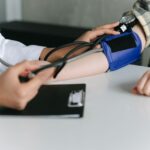
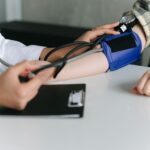
If you have mildly elevated blood pressure and your doctor is aware, a standardized garlic supplement is a low-risk thing to try for a few months, provided you are not on blood thinners or facing surgery. Monitor your blood pressure at home so you can see whether it is doing anything for you.
If you have diagnosed hypertension, garlic is not a reason to change your medication plan. If you are pregnant, breastfeeding, or giving garlic to a child, there are no established clinical guidelines for garlic supplementation in these groups, and it should not be used without medical guidance.
The honest summary is this: garlic has real but modest evidence for lowering blood pressure, the form and dose matter, the effect is small, and it does not replace proven treatment. That is a less exciting story than most supplement marketing tells, but it is the accurate one.
Frequently Asked Questions
Does garlic lower blood pressure?
Some evidence suggests garlic can lower blood pressure modestly, particularly in people with elevated readings. The effect is generally small and varies between studies, so it is not a replacement for prescribed medication.
How much garlic do I need to lower blood pressure?
There is no official recommended dose of garlic for blood pressure, and clinical trials have used a wide range of standardized preparations. Culinary amounts of garlic have not been shown to produce a reliable blood pressure effect.
Is raw garlic better than garlic supplements for blood pressure?
Raw garlic contains the most allicin precursors, but controlled human trials on raw garlic and blood pressure are limited. Most of the clinical evidence comes from aged garlic extract and standardized garlic powder.
Can garlic interact with blood pressure medication?
Garlic has mild antiplatelet effects and may increase bleeding risk when combined with blood thinners such as warfarin or aspirin. Tell your doctor or pharmacist about any garlic supplement you take.
