
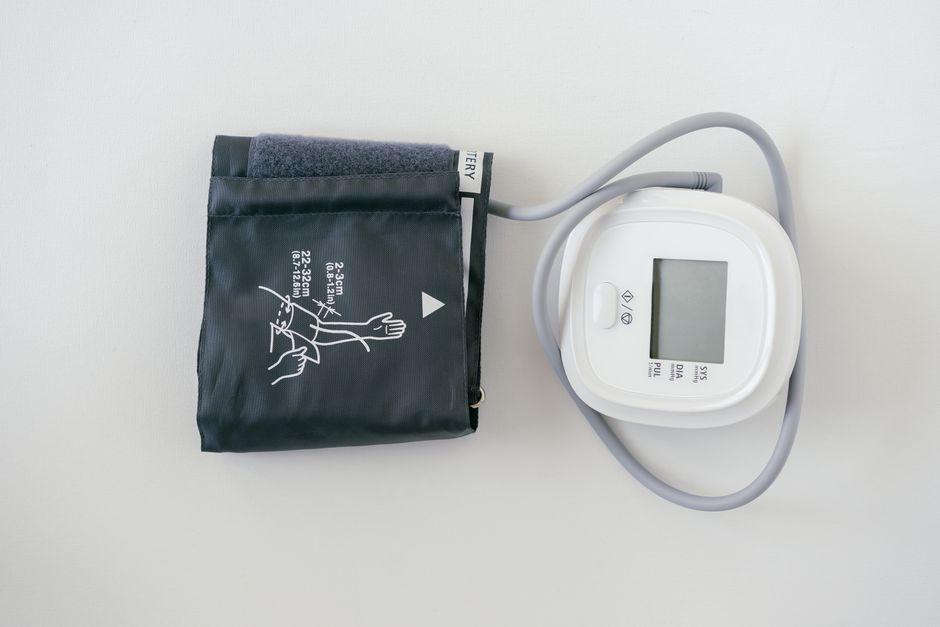
High blood pressure usually has no signs at all. That is the part most people find hard to believe. You can feel completely fine, have normal energy, and still have readings in a range that quietly damages your heart, brain, and kidneys over years. When symptoms do appear, they tend to show up only after blood pressure has climbed very high or stayed elevated for a long time. That is why the condition is often called the “silent killer.”
Blood pressure is the force of blood pushing against your artery walls. It is recorded as two numbers. The top number, systolic pressure, is the force when your heart beats. The bottom number, diastolic pressure, is the force between beats. A reading of 120/80 mmHg is considered normal. Consistent readings of 130/80 mmHg or higher meet the definition of high blood pressure for most adults.
What Are The Signs Of High Blood Pressure?
For the large majority of people, there are none. High blood pressure is diagnosed through measurement, not through how you feel. This is the single most important fact about the condition, and it is the reason routine screening matters more than symptom-watching.
When blood pressure rises to severe levels, some people do notice things. The most commonly reported symptoms include:
- Headaches, often in the back of the head and worse in the morning
- Dizziness or a sense of lightheadedness
- Blurred or double vision
- Shortness of breath
- Chest discomfort
- Nosebleeds
- Irregular heartbeat or a pounding sensation
Here is the problem with that list. Every one of those symptoms has many other causes, and most people who have them do not have high blood pressure. Meanwhile, most people who do have high blood pressure never experience any of them. Symptoms are a poor guide.
There is one situation where symptoms matter urgently. A hypertensive crisis is when blood pressure reaches roughly 180/120 mmHg or higher. At that level, symptoms such as severe headache, chest pain, vision changes, confusion, or difficulty breathing can signal organ damage. This is a medical emergency. If a reading is that high and symptoms are present, seek emergency care immediately. If a reading is that high with no symptoms, wait a few minutes and measure again, then contact a clinician promptly.
How Is High Blood Pressure Defined?
High blood pressure is defined by numbers, not by how a person feels. In the United States, the standard categories for adults come from the American College of Cardiology and the American Heart Association. These categories apply to adults who are not taking blood pressure medication and who are not acutely ill.
| Category | Systolic (mmHg) | Diastolic (mmHg) |
|---|---|---|
| Normal | Less than 120 | Less than 80 |
| Elevated | 120–129 | Less than 80 |
| Stage 1 hypertension | 130–139 | 80–89 |
| Stage 2 hypertension | 140 or higher | 90 or higher |
| Hypertensive crisis | Higher than 180 | Higher than 120 |
A single high reading does not mean you have high blood pressure. Blood pressure moves around during the day. It rises with stress, caffeine, physical activity, and even the act of having it measured in a clinic. Diagnosis generally requires multiple readings taken on separate occasions.
Some clinicians use a threshold of 140/90 mmHg for a diagnosis, particularly in certain guidelines used outside the United States. The difference reflects how the same evidence was weighed, not a disagreement about the underlying biology. What matters is that your readings are being tracked consistently over time.
Why Does High Blood Pressure Often Cause No Symptoms?
Your arteries do not have pain sensors designed to detect pressure. They can stretch and adapt to higher pressure for years without sending any signal the brain recognizes as discomfort. This is a structural fact, not a failure of the body to warn you.
The damage happens slowly. Sustained high pressure stiffens artery walls, forces the heart to pump against more resistance, and injures the small blood vessels that feed the kidneys, eyes, and brain. None of this process produces a sensation until the damage is advanced. By the time symptoms appear, the condition has usually been present for a long time.
This is why the diagnosis almost always comes from a routine check rather than from a person deciding something feels wrong. Screening is not a formality. It is the actual detection method.




When Do Symptoms Actually Appear?
Symptoms become more likely when blood pressure reaches severe or crisis levels, or when it has already caused damage to a specific organ. At that point, the symptoms reflect the organ involved rather than the pressure itself.
Damage to the heart can produce chest pain, shortness of breath, or an irregular rhythm. Damage to the brain can produce severe headache, confusion, weakness on one side, or difficulty speaking. Damage to the eyes can produce blurred or lost vision. Damage to the kidneys can cause changes in urination or swelling, though these are often subtle and picked up on lab tests instead.
This is an important distinction. The headache is not “the high blood pressure.” The headache is the brain or its blood vessels reacting to a problem that has become serious. That is why treating symptoms alone would miss the point entirely.
How Is High Blood Pressure Diagnosed?
Diagnosis is straightforward and does not rely on symptoms. A clinician measures your blood pressure, usually with a cuff on the upper arm, and repeats the measurement over time.
Some people have what is called white coat hypertension. Their readings are high in a clinic but normal at home, often because the setting itself raises their pressure. Others have the opposite pattern, called masked hypertension, where clinic readings look fine but home readings are high. Both patterns are common enough that many clinicians recommend home monitoring or a 24-hour ambulatory monitor, which takes readings at intervals throughout the day and night.
Home monitoring has practical advantages. It gives a fuller picture, it removes some of the clinic effect, and it lets you and your clinician see how your pressure behaves in your normal life. If you measure at home, use a validated upper-arm cuff rather than a wrist device, sit quietly for a few minutes first, and keep a log.
What Raises Your Risk?
Several factors raise the odds of developing high blood pressure. Some you cannot change, and some you can.
- Age — risk rises as arteries stiffen over time
- Family history of high blood pressure
- Excess body weight
- Diets high in sodium and low in potassium
- Physical inactivity
- Heavy or regular alcohol use
- Tobacco use
- Chronic stress and poor sleep, including sleep apnea
- Certain medications and some underlying conditions, such as kidney disease
These factors raise risk. They do not guarantee an outcome, and their absence does not guarantee protection. High blood pressure can develop in people with none of these factors, which is another reason measurement matters more than assumptions about who is at risk.
What Should You Do If You Are Concerned?
Get your blood pressure measured. That is the only reliable way to know where you stand. If you are an adult and have not had a reading in the past year or two, a routine visit is a reasonable step. If your readings are consistently at or above 130/80 mmHg, that is worth a conversation with a clinician about what it means for you.
Do not wait for symptoms to prompt you. They may never come, and that is precisely the danger. High blood pressure is one of the few serious conditions where feeling fine tells you almost nothing about what is happening inside your arteries.
If you ever measure a reading above 180/120 mmHg, treat it seriously. With symptoms, it is an emergency. Without symptoms, recheck after a few minutes and reach a clinician promptly.
Frequently Asked Questions
What are the most common signs of high blood pressure?
Most people with high blood pressure have no signs at all. When symptoms do occur, they usually appear only at very high levels and can include headaches, dizziness, or vision changes.
Can you have high blood pressure and feel completely normal?
Yes, and this is the usual situation. Because arteries do not sense pressure, the condition typically causes no symptoms until it has already done damage or reached severe levels.
What blood pressure reading is considered high?
For most adults, consistent readings of 130/80 mmHg or higher meet the definition of high blood pressure. A single high reading is not a diagnosis and should be confirmed with repeat measurements.
When is high blood pressure a medical emergency?
A reading above 180/120 mmHg with symptoms such as chest pain, severe headache, or difficulty breathing is an emergency. Call for emergency care right away rather than waiting.
