
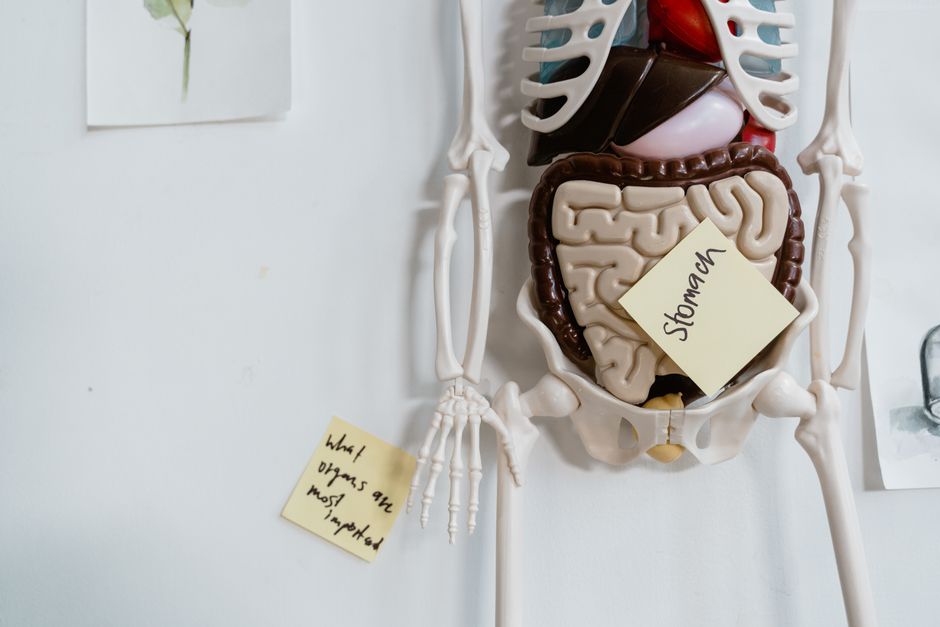
Gas in your digestive system is a normal byproduct of digestion. It enters your body when you swallow air and when bacteria in your colon break down undigested food. The body needs to get rid of this gas, and it does so by burping or passing gas through the rectum. Without this process, pressure would build up in your intestines, causing pain, bloating, and discomfort. Gas is simply your digestive system’s way of managing what it cannot use or absorb.
What Causes Gas to Form in the First Place?
There are two main sources of gas in the digestive tract. The first is swallowed air. Everyone swallows air when eating, drinking, or even talking. Most of that air leaves the stomach as a burp. The rest moves into the small intestine.
The second source is more complex. When food reaches the large intestine, bacteria begin to ferment the parts your body could not digest. This fermentation produces hydrogen, methane, and carbon dioxide. The National Institute of Diabetes and Digestive and Kidney Diseases reports that certain foods produce more gas than others. Beans, lentils, broccoli, cabbage, onions, and whole grains are common culprits because they contain complex carbohydrates and fiber that resist digestion.
Some people also have trouble digesting specific sugars. Lactose in dairy products and fructose in fruits can cause extra gas for those with sensitivities. The amount of gas a person produces varies widely based on their diet and gut bacteria makeup.
What Does Gas Do In Your Digestive System Throughout the Day?
Gas moves through your system like any other content. It travels from the stomach into the small intestine and then into the colon. Along the way, some gas is absorbed into the bloodstream and eventually exhaled through the lungs. The rest continues moving until it exits the body.
The average person passes gas 13 to 21 times per day according to research from the American College of Gastroenterology. This number is considered normal and healthy. Passing gas less often can actually be a sign that something is wrong, such as slow motility or a blockage.
Gas also plays a role in how your intestines function. The presence of gas stretches the intestinal walls slightly, which can stimulate muscle contractions. These contractions help push contents forward. In this way, a normal amount of gas actually supports healthy digestion rather than hindering it.
When Does Normal Gas Become a Problem?
Normal gas turns into a problem when it causes pain or gets trapped. Trapped gas happens when the natural movement of the intestines slows down or when gas accumulates faster than it can pass. This creates pressure that stretches the intestinal walls, which triggers pain receptors.
Pain from trapped gas can feel sharp and move around the abdomen. Some people mistake it for heart pain or gallbladder issues. The difference is that gas pain usually shifts position and changes with movement or passing gas.
Bloating is another sign that gas is not moving well. Research published in the journal Clinical Gastroenterology and Hepatology found that people with bloating often have a normal amount of gas. The problem is that their intestines do not move the gas out efficiently. The sensation of bloating comes from the gut being overly sensitive to normal stretching.
If you have persistent pain, vomiting, or cannot pass gas at all, see a doctor. These can be signs of an intestinal blockage or other serious condition.





What Foods Actually Reduce Gas Based on Evidence?
Some foods help reduce gas by changing how your gut bacteria work. Others just make you feel less bloated. Here is what the evidence actually supports.
| Food | How It Helps | Evidence Level |
|---|---|---|
| Ginger | Speeds up stomach emptying, helps food move through faster | Moderate – small human studies show benefit |
| Peppermint oil | Relaxes intestinal muscles, reduces cramping | Strong – multiple clinical trials support this |
| Fennel seeds | May relax digestive tract muscles | Weak – mostly traditional use with limited studies |
| Probiotic yogurt | Changes gut bacteria balance over time | Mixed – some people benefit, others do not |
| Low-FODMAP foods | Avoids fermentable carbs that cause gas | Strong – Monash University research supports this |
Peppermint oil has the strongest evidence. A 2019 review in the Journal of Clinical Gastroenterology found that peppermint oil capsules significantly reduced bloating and gas pain in people with irritable bowel syndrome. Ginger also shows promise for speeding up digestion, which means less time for gas to build up.
The low-FODMAP diet was developed by researchers at Monash University. It eliminates foods that ferment quickly in the gut. This diet works well for many people but should be done with guidance because it is restrictive.
What Are the Common Misconceptions About Digestive Gas?
The biggest misconception is that gas is always a sign of a problem. As covered earlier, passing gas up to 20 times per day is normal. The body is designed to produce and release gas. Trying to hold it in can cause pain and bloating.
Another widespread myth is that swallowing less air will fix gas problems. While swallowing air does contribute, most gas actually comes from bacterial fermentation in the colon. Eating slower and not chewing gum can help, but it will not eliminate gas entirely.
Some people believe that activated charcoal tablets absorb gas and reduce bloating. A 2017 study in the Journal of Alternative and Complementary Medicine found no strong evidence that charcoal reduces gas symptoms. The same is true for most over-the-counter gas remedies. Simethicone, the active ingredient in Gas-X, has mixed evidence. Some studies show it helps, others show no benefit over placebo.
One more misconception is that everyone should avoid beans and cabbage. These foods are healthy and full of fiber. The gas they cause is temporary and harmless. Your gut bacteria adjust over time. People who eat beans regularly produce less gas than people who eat them rarely.
What Lifestyle Changes Actually Help Gas Move Through?
Movement is one of the most effective ways to help gas pass. Walking after meals stimulates intestinal contractions. A 2020 study in the American Journal of Gastroenterology found that light walking for 10 to 15 minutes after eating reduced bloating significantly compared to sitting.
Abdominal massage can also help. Gentle clockwise massage on the belly encourages gas to move toward the colon. This technique has been studied in hospital settings for people with post-surgical constipation and shows real results.
Hydration matters more than most people realize. Water keeps stool soft and helps the intestines move contents along. When you are dehydrated, the colon absorbs more water from waste, which slows everything down. Slower movement means more time for gas to build up and cause discomfort.
Eating smaller meals more frequently can reduce the volume of food your gut has to process at once. This gives your digestive system less work per meal, which can reduce the amount of gas produced at any one time.
When Should You See a Doctor About Digestive Gas?
Most gas is normal and nothing to worry about. But there are clear signs that something else is going on.
- You have severe abdominal pain that does not go away
- You notice blood in your stool
- You have unexplained weight loss
- Your gas is accompanied by diarrhea or constipation that lasts more than a few weeks
- You cannot pass gas or have a bowel movement at all
These symptoms can point to conditions like irritable bowel syndrome, celiac disease, small intestinal bacterial overgrowth, or in rare cases colon cancer. The CDC reports that about 1 in 24 people will develop colorectal cancer in their lifetime. Changes in bowel habits, including new or worsening gas and bloating, should be discussed with a doctor.
If your gas is normal but bothersome, keep a food diary for two weeks. Write down what you eat and when you feel bloated or gassy. Patterns often emerge that are easy to fix. Many people find that cutting back on one or two specific foods reduces symptoms without needing a major diet overhaul.
Frequently Asked Questions
Is it healthy to hold in gas?
No, holding in gas can cause pain, bloating, and discomfort. The gas will eventually come out, and holding it does not reduce the total amount.
Can certain exercises help release trapped gas?
Yes, gentle walking and yoga poses like child’s pose can help move gas through the intestines. These positions relax the abdominal muscles and encourage movement.
Does drinking carbonated drinks increase gas?
Yes, carbonated beverages introduce extra air into your stomach. This can increase burping and may add to overall gas in the digestive tract.
Why do I get more gas as I get older?
Digestion slows with age, and the balance of gut bacteria changes. These factors can lead to more gas production and slower gas clearance.
