
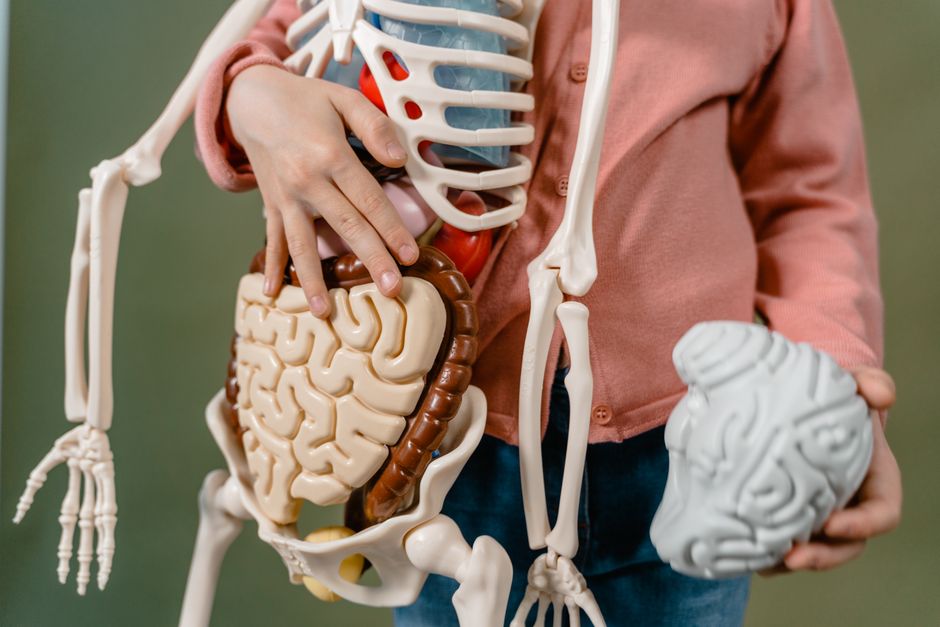
Your digestive system does more than break down food. It absorbs nutrients, hosts trillions of bacteria, and communicates directly with your brain. When it works well, you feel energized and comfortable. When it does not, every meal can become a problem. The good news is that digestion is not fixed. Daily habits shape how well your system functions. This guide explains what actually works, what does not, and what the evidence really shows.
What Does “Increasing” Your Digestive System Actually Mean?
You cannot grow a bigger stomach or add extra feet of intestine. That is not what “increasing” your digestive system means. What you can do is improve how efficiently your system processes food. This includes how quickly food moves through your tract, how well you absorb nutrients, and how comfortable you feel after eating.
Think of it like engine tuning rather than engine replacement. The parts stay the same, but the performance improves. For most people, better digestion means fewer symptoms like bloating, gas, constipation, or heartburn. It also means your body extracts more of the vitamins and minerals from the food you eat.
Digestion starts before food touches your lips. Smelling food, chewing, and even thinking about a meal triggers digestive juices. The process involves your mouth, stomach, small intestine, large intestine, liver, gallbladder, and pancreas. Each part has a specific job, and they must work in sequence.
How to Increase Your Digestive System Through Diet
Fiber is the single most important nutrient for digestive health. It adds bulk to stool and feeds the beneficial bacteria in your colon. Adults should aim for roughly 25 to 38 grams of fiber per day depending on age and sex. Most Americans get about half that amount.
There are two types of fiber and both matter. Soluble fiber dissolves in water and forms a gel. It slows digestion and helps you feel full. Oats, beans, apples, and carrots are good sources. Insoluble fiber does not dissolve. It adds bulk and helps move material through your system. Whole wheat, nuts, and vegetables provide this type.
Increase fiber gradually. Jumping from 15 grams to 35 grams in one week causes gas and cramping. Add a few grams every few days and drink more water as you go. Fiber without water can make constipation worse rather than better.
Fermented foods introduce live bacteria to your gut. Yogurt with active cultures, kefir, sauerkraut, and kimchi are common options. Some research suggests these foods can improve the balance of gut bacteria. The evidence is stronger for fermented dairy products than for other fermented foods. If you enjoy them, include them regularly. If not, do not force it.
Why Chewing and Eating Habits Matter More Than You Think
Digestion begins in your mouth. Saliva contains enzymes that start breaking down carbohydrates. Chewing mechanically breaks food into smaller pieces, giving stomach acid and intestinal enzymes more surface area to work with. People who chew thoroughly tend to feel less bloated after meals.
Most people do not chew enough. A common guideline is to chew each bite until it is liquid or near-liquid before swallowing. For most foods that means 20 to 30 chews per bite. This is not a strict rule, but it is a useful target. If you cannot count chews, aim to eat noticeably slower than you currently do.
Eating while stressed changes digestion. The nervous system has two main modes. The “rest and digest” mode supports normal digestive function. The “fight or flight” mode slows digestion and diverts blood away from your gut. Eating in a hurry, while working, or while arguing shifts your body into the wrong mode.
Try to make meals a separate activity. Sit down, put your phone away, and give your meal your full attention for 15 to 20 minutes. This simple change can reduce symptoms for people with sensitive stomachs.


Physical Activity and Its Direct Effect on Digestion
Regular movement keeps food moving through your intestines. Physical activity stimulates the natural muscle contractions that push contents along your digestive tract. Sedentary people are more likely to experience constipation than active people.
You do not need intense exercise to get this benefit. Walking after a meal is a well-established habit that supports digestion. A 10 to 15 minute walk after eating helps regulate blood sugar and encourages bowel movement. Any consistent physical activity — walking, cycling, swimming, or strength training — supports digestive function.
Timing matters. Vigorous exercise immediately after a large meal can cause discomfort because blood flow shifts to working muscles rather than your digestive organs. Light activity is fine. Save intense workouts for at least an hour after eating.
Hydration, Sleep, and Stress: The Overlooked Factors
Water is essential for digestion. Your intestines need water to form soft stool and move waste through your system. Chronic dehydration is a common cause of constipation. Plain water is the best choice. Caffeinated drinks and alcohol can dehydrate you, especially in large amounts.
A simple target is to drink enough water so your urine is light yellow or clear. Needs vary by body size, activity level, and climate. Thirst is not always a reliable signal, especially in older adults. If you are prone to constipation, increasing water intake is one of the first steps to try.
Sleep quality affects your gut. Your digestive tract has its own rhythm and repairs itself during sleep. Poor sleep is linked to higher rates of digestive complaints including heartburn and irritable bowel syndrome. Most adults need 7 to 9 hours per night. Consistent sleep and wake times help your digestive system maintain a regular schedule.
Chronic stress alters gut function. The gut-brain connection is real and well documented. Stress can change how fast food moves through your system, increase sensitivity to pain, and alter the bacteria in your gut. Stress management techniques like deep breathing, meditation, or regular exercise can improve digestive symptoms even when no specific digestive disease is present.
Probiotics and Supplements: What the Evidence Shows
Probiotic supplements are popular, but the evidence is more complicated than marketing suggests. Different strains of bacteria do different things. A supplement that helps one person may do nothing for another. Some research shows probiotics can help with antibiotic-related diarrhea and certain digestive conditions. Evidence for general digestive improvement in healthy people is mixed.
If you want to try a probiotic, look for one with a specific strain and dose studied in clinical trials. Products should list the genus, species, and strain on the label. For example, Lactobacillus rhamnosus GG is a specific strain that has been studied. General labels like “contains probiotics” without strain information are less useful.
Digestive enzyme supplements are marketed for bloating and gas. These products contain enzymes that break down specific food components. Lactase helps digest dairy. Alpha-galactosidase helps break down beans and cruciferous vegetables. Some people find these helpful for specific foods that bother them. They are not a treatment for overall digestive health and do not address underlying issues.
No supplement replaces the basics of fiber, water, movement, and sleep. If you are considering any supplement, discuss it with your doctor. This is especially important if you take medications or have a chronic condition.
When to See a Doctor About Digestive Problems
Occasional bloating or constipation is normal. Certain symptoms warrant medical attention. Blood in your stool, unexplained weight loss, severe abdominal pain, persistent vomiting, or difficulty swallowing are all reasons to see a doctor promptly.
Changes in bowel habits that last more than a few weeks should be evaluated. This includes new constipation, new diarrhea, or alternating between the two. If you are over 45 and have not had a colon cancer screening, digestive symptoms are a good reason to ask your doctor about one.
Do not self-diagnose. Many digestive conditions share similar symptoms. Irritable bowel syndrome, celiac disease, inflammatory bowel disease, and food intolerances can all cause bloating and irregular bowel movements. A doctor can order tests to determine the actual cause.
Frequently Asked Questions
What is the fastest way to improve digestion?
Chew food thoroughly and eat without distractions. These changes work immediately and require no special products.
Can drinking more water fix constipation?
Increasing water intake helps if dehydration is contributing to the problem. Combine it with more fiber and regular physical activity for the best effect.
Are probiotic supplements necessary for a healthy gut?
No. A diet with fiber and fermented foods supports gut bacteria without supplements. Probiotic supplements help in specific situations but are not essential for everyone.
How long does it take to see improvement in digestion?
Some changes like better chewing help right away. Fiber and lifestyle changes typically show benefits within one to two weeks of consistent practice.
