

Elevated blood pressure means your heart is working harder than it should to pump blood through your arteries. It is a warning sign that sits between normal blood pressure and stage 1 hypertension. For many people, this is the first time they learn their numbers are creeping up, and it is the best moment to make changes that can prevent more serious problems down the road.
What Exactly Is Elevated Blood Pressure?
Elevated blood pressure is a specific category defined by clinical guidelines. It means your systolic pressure (the top number) is between 120 and 129 mmHg, and your diastolic pressure (the bottom number) is below 80 mmHg. Your systolic number measures the pressure in your arteries when your heart beats. Your diastolic number measures the pressure between beats.
This category is separate from normal blood pressure, which is below 120/80 mmHg. It is also different from stage 1 hypertension, which starts at 130/80 mmHg. The distinction matters because elevated blood pressure does not yet meet the threshold for a hypertension diagnosis, but it is no longer considered optimal.
Doctors use this category to identify people who are at higher risk of developing hypertension in the future. It is not a disease state, but it is a clear signal that blood pressure is trending in the wrong direction.
Why Does Elevated Blood Pressure Matter?
Elevated blood pressure matters because it increases your risk of progressing to full hypertension. Research consistently shows that people with blood pressure in the 120-129 systolic range are more likely to develop stage 1 or stage 2 hypertension within a few years compared to people with normal readings.
High blood pressure damages your arteries over time. The constant force of blood against artery walls causes microscopic tears. Your body repairs these tears with scar tissue, which makes the arteries stiffer and narrower. This process raises blood pressure further, creating a cycle that can eventually lead to serious complications.
Untreated hypertension is a major risk factor for heart attack, stroke, kidney damage, and vision loss. Catching the problem at the elevated stage gives you a chance to interrupt this cycle before permanent damage occurs.
What Causes Blood Pressure to Rise?
Several factors contribute to rising blood pressure. Age is one of the most significant. Blood vessels naturally become less elastic as you get older, which increases resistance to blood flow. This is why blood pressure tends to climb steadily with age.
Lifestyle factors play a major role. A diet high in sodium causes your body to retain fluid, which increases blood volume and raises pressure. Excess body weight, especially around the abdomen, forces your heart to work harder. Lack of physical activity weakens your cardiovascular system over time.
Other contributors include chronic stress, poor sleep quality, and excessive alcohol consumption. Some medical conditions also raise blood pressure, including sleep apnea, kidney disease, and thyroid disorders. Certain medications, such as decongestants and some pain relievers, can cause temporary increases.
Family history matters too. If your parents or siblings have hypertension, your risk of developing it is higher. This genetic component is something you cannot change, but it makes monitoring your numbers even more important.

How Is Elevated Blood Pressure Diagnosed?
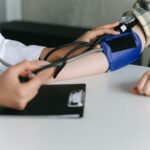
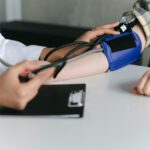
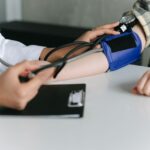
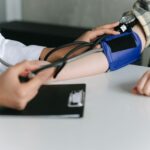
Diagnosis requires multiple readings taken on different occasions. A single high reading does not confirm elevated blood pressure. Your doctor will typically measure your blood pressure during an office visit, and if it is high, they may repeat the measurement after a few minutes of rest.
Blood pressure naturally fluctuates throughout the day. It is lower when you are relaxed and higher during stress, exercise, or physical activity. White coat syndrome, where blood pressure rises in a medical setting due to anxiety, is common. This is why doctors rarely diagnose based on one reading alone.
Some doctors recommend home monitoring to get a more accurate picture. Home blood pressure monitors are widely available and relatively inexpensive. If you use one, take readings at the same time each day, sit quietly for five minutes beforehand, and record the results to share with your doctor.
Ambulatory monitoring, where you wear a device that measures blood pressure every 30 minutes over 24 hours, is the most accurate method. It captures your average blood pressure during normal daily activities and sleep. However, it is not necessary for everyone with a single elevated reading.
What Can You Do to Lower Elevated Blood Pressure?
Lifestyle changes are the primary treatment for elevated blood pressure. This is the stage where these changes can have the most impact, because no medication is typically prescribed yet. The goal is to bring your numbers back below 120/80.
Reducing sodium is one of the most effective steps. The average American consumes far more sodium than recommended. Most of it comes from processed foods, restaurant meals, and packaged snacks, not from the salt shaker. Reading nutrition labels and cooking more meals at home can make a meaningful difference.
Increasing physical activity is another cornerstone. Regular aerobic exercise strengthens your heart, allowing it to pump more blood with less effort. This lowers the pressure on your artery walls. Aim for at least 150 minutes of moderate-intensity activity per week, such as brisk walking, swimming, or cycling.
Weight loss has a direct effect on blood pressure. Losing even a modest amount of weight can lower systolic pressure noticeably. Fat tissue requires oxygen and nutrients, which means more blood vessels and more work for your heart. Reducing that burden helps immediately.
Limiting alcohol and quitting smoking also help. Alcohol raises blood pressure, and the effect can last for hours after consumption. Smoking damages artery walls and accelerates the stiffening process that drives blood pressure up.
What Does Elevated Blood Pressure Mean For You Long Term?
Elevated blood pressure is not a guarantee that you will develop hypertension. Many people successfully bring their numbers back to normal with lifestyle changes. The key is consistency and early action.
Without intervention, the progression from elevated blood pressure to hypertension is common. The longer your blood pressure stays elevated, the more strain your heart and arteries experience. This is why doctors take this category seriously rather than dismissing it as a minor concern.
Monitoring is essential. If you have had an elevated reading, check your blood pressure regularly. Annual checkups are a good minimum, but home monitoring can give you a more frequent picture. If your numbers start climbing into the hypertension range, your doctor may discuss medication options.
The good news is that blood pressure responds well to lifestyle changes, especially at this early stage. The habits that lower blood pressure, such as eating well and staying active, also reduce your risk of other chronic conditions including diabetes and heart disease. The changes you make now have benefits that extend far beyond your blood pressure numbers.
Frequently Asked Questions
Is elevated blood pressure the same as prehypertension?
Yes, elevated blood pressure is the current term for what was previously called prehypertension. The category describes systolic readings of 120-129 mmHg with diastolic below 80 mmHg.
Can elevated blood pressure go back to normal?
Yes, many people return to normal blood pressure with lifestyle changes such as reducing sodium, losing weight, and increasing physical activity. The earlier you make these changes, the better your chances of reversing the trend.
Do I need medication for elevated blood pressure?
Medication is not typically prescribed for elevated blood pressure unless you have other high-risk conditions. Lifestyle changes are the first-line approach at this stage.
How often should I check my blood pressure if it is elevated?
Check your blood pressure at least once a month if you have elevated readings, and keep a record to share with your doctor. More frequent home monitoring can help you understand how your habits affect your numbers.
