
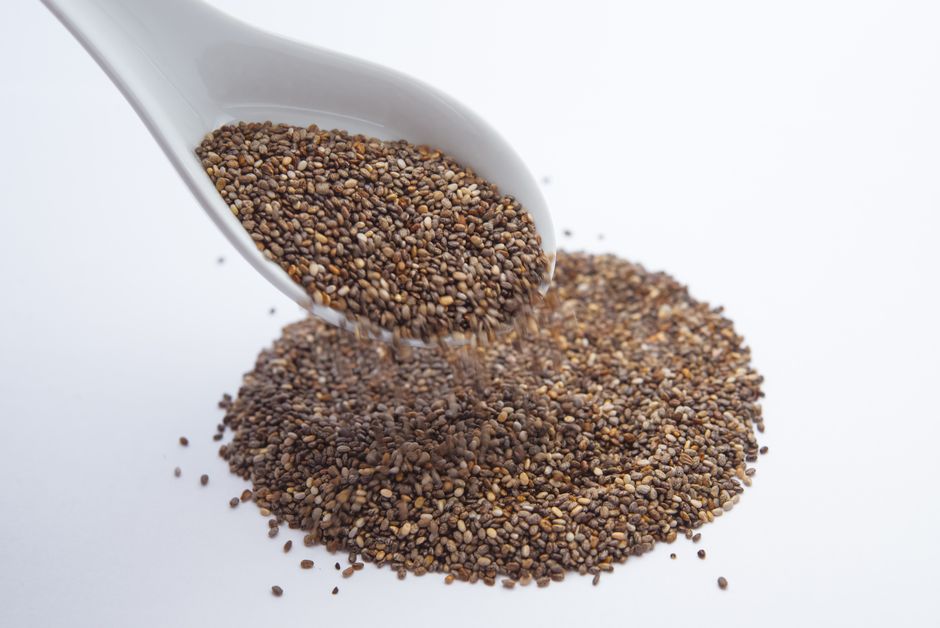
Chia seeds are small black seeds that swell into a gel when wet. They are packed with fiber, protein, and omega-3 fats. Eating them regularly can support digestion, help manage blood sugar, and provide steady energy. But they are not a miracle food, and some claims about them are overblown. Here is what the evidence actually shows.
How Do Chia Seeds Affect Digestion?
The fiber in chia seeds is the main reason people notice changes in their digestion. A single ounce — about two tablespoons — contains roughly 10 grams of fiber. That is about one-third of the daily recommendation for most adults.
When chia seeds meet liquid, they form a gel. This gel slows down how fast food moves through your digestive tract. For some people, that means fewer blood sugar spikes after meals. For others, it means more regular bowel movements.
Research shows that soluble fiber, which chia seeds have plenty of, feeds the good bacteria in your gut. A 2017 study in the Journal of Nutrition found that chia seed consumption increased levels of beneficial gut bacteria in rats. Human studies are less clear, but the fiber benefit is well-established.
One thing to watch: if you are not used to high-fiber foods, start slow. Eating a lot of chia seeds at once can cause bloating, gas, or cramping. Drink plenty of water when you eat them.
Can Chia Seeds Help With Weight Loss?
This is where the hype gets loud. Many articles claim chia seeds are a weight loss superfood. The reality is more modest.
Some studies suggest chia seeds can help with appetite control. The gel they form takes up space in your stomach, which may make you feel fuller. A small 2017 study in Nutrients found that people who ate chia seeds before breakfast reported less hunger and ate less at their next meal.
But longer-term weight loss studies have not been impressive. A 2009 study in Nutrition Research gave chia seeds to overweight adults for 12 weeks. The chia group did not lose more weight than the placebo group. More recent studies have found similar results.
What this means: chia seeds can be a helpful tool in a weight management plan, but they will not cause weight loss on their own. They replace less healthy foods well. Sprinkle them on yogurt instead of granola, for example.
What Does Chia Seeds Do For Your Body In Terms of Heart Health?
Chia seeds are rich in alpha-linolenic acid, or ALA, which is a plant-based omega-3 fat. Omega-3s are known to reduce inflammation and support heart health.
Research shows that eating ALA-rich foods is linked to lower risk of heart disease. A 2019 review in the Journal of the American Heart Association found that higher ALA intake was associated with a 10% lower risk of cardiovascular death.
But there is a catch. The body converts ALA into the more active omega-3s, EPA and DHA, at a very low rate — around 5% or less. So chia seeds are not a replacement for fatty fish like salmon. They are a decent plant-based option for people who do not eat fish.
Chia seeds also contain magnesium and potassium, both of which help regulate blood pressure. Current research suggests that including chia seeds in a balanced diet supports heart health, but they are not a standalone treatment for high cholesterol or heart disease.





Do Chia Seeds Affect Blood Sugar?
Yes, and this is one of the better-supported claims. The gel that chia seeds form slows down carbohydrate digestion. That means sugar enters your bloodstream more gradually.
A 2017 study in Diabetes Care gave chia seeds to people with type 2 diabetes for six months. The chia group showed better blood sugar control and lower blood pressure compared to the control group. Another study found that adding chia seeds to white bread reduced the blood sugar spike by about 30%.
This effect is real and useful. But it is not unique to chia seeds. Flaxseeds, oats, and other high-fiber foods do the same thing. The key is eating chia seeds as part of a meal, not on their own.
If you have diabetes or take blood sugar medication, monitor your levels when adding chia seeds to your diet. The effect is usually mild, but everyone is different.
What Are the Side Effects and Risks of Chia Seeds?
Chia seeds are safe for most people, but there are real risks worth knowing.
Choking hazard: This is the most serious risk. Dry chia seeds expand rapidly when wet. If you swallow a spoonful of dry seeds without water, they can swell in your esophagus and cause blockage. Always soak them first or mix them into moist food. This is not a theoretical risk — there are documented cases of emergency room visits.
Digestive issues: As mentioned earlier, too much fiber too fast can cause bloating, gas, and constipation. Start with one tablespoon per day and increase slowly.
Blood thinning: Chia seeds are high in ALA, which has a mild blood-thinning effect. If you take blood thinners like warfarin, talk to your doctor before eating large amounts. The risk is low but worth mentioning.
Allergies: Rare, but possible. Chia seeds are from the mint family. If you are allergic to mint, sesame, or mustard seeds, be cautious.
How Should You Eat Chia Seeds?
There is no single right way, but some methods work better than others.
| Method | Best For | Notes |
|---|---|---|
| Soaked in water or milk | Pudding, smoothies | Soak for at least 15 minutes. Use 3 parts liquid to 1 part seeds. |
| Ground into powder | Baking, mixing into food | Grinding increases nutrient absorption. Store ground seeds in the fridge. |
| Sprinkled dry on food | Yogurt, oatmeal, salads | Drink water right after to avoid gel swelling in the throat. |
| Mixed into drinks | Water, juice, tea | Stir well and let sit for a few minutes before drinking. |
A common serving is one to two tablespoons per day. There is no evidence that more is better. In fact, eating more than that can cause digestive discomfort without extra benefit.
As of 2026, current research suggests that chia seeds are a nutrient-dense food that fits well into a balanced diet. They are not a cure for any disease. They are not a replacement for medication. They are a simple, whole food that supports health when eaten in reasonable amounts.
One non-obvious point: chia seeds are highly absorbent. If you eat them dry, they pull water from your digestive tract to form gel. That can actually cause constipation instead of preventing it if you do not drink enough water. So always pair chia seeds with plenty of fluids.
Common Misconceptions About Chia Seeds
The biggest myth is that chia seeds can replace fish for omega-3s. They cannot. The conversion rate from ALA to DHA is too low. They are a good plant source, but not equivalent.
Another myth is that chia seeds burn belly fat. No food targets fat loss to a specific body part. Chia seeds can help with overall weight management, but spot reduction is not real.
Some people claim chia seeds cure diabetes. They do not. They help manage blood sugar, but they are not a treatment. Anyone with diabetes should follow their doctor’s advice first.
Frequently Asked Questions
Can you eat chia seeds every day?
Yes, one to two tablespoons per day is safe for most people. Start with a smaller amount if you are not used to high-fiber foods.
Do chia seeds need to be soaked before eating?
Soaking is recommended to prevent choking and improve digestion. Dry seeds can swell in your throat and cause blockage.
Are chia seeds better than flaxseeds?
Both are nutritious but different. Chia seeds have more fiber and calcium. Flaxseeds have more lignans and slightly higher omega-3 content. Neither is clearly better.
Can chia seeds help with constipation?
They can, but only if you drink enough water. The fiber in chia seeds needs water to work properly. Without it, they can make constipation worse.
