
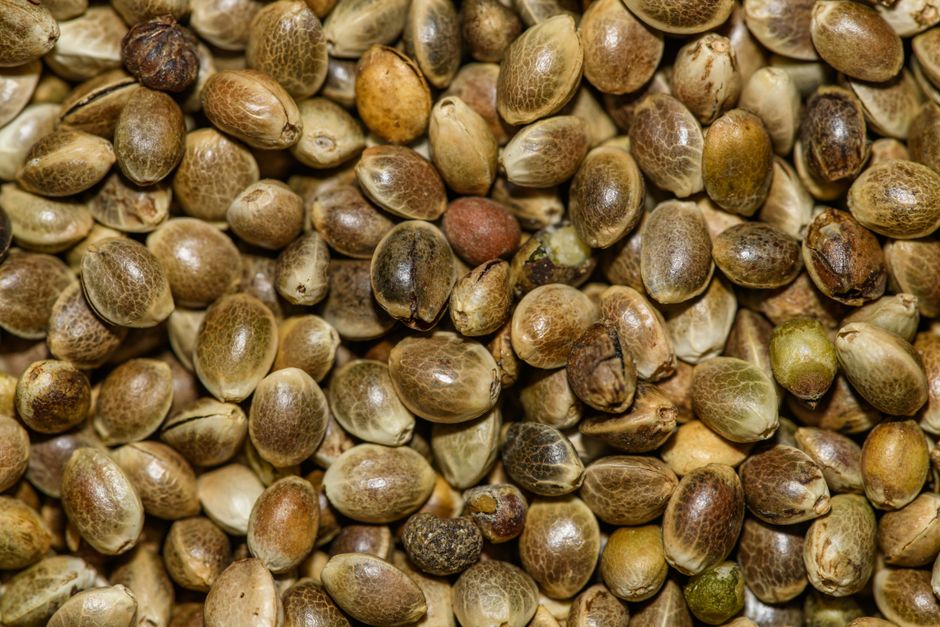
Hemp seeds are the edible seeds of the hemp plant, a variety of the Cannabis sativa species. Unlike other parts of the plant, these seeds contain only trace amounts of psychoactive compounds. They are sold hulled (shelled), whole, or as powders and oils, and are prized for their nutritional profile rather than any intoxicating effect.
What Is Hemp Seeds? Explained
Hemp seeds come from a specific variety of Cannabis sativa that has been bred for industrial and food uses. This is the same plant species as marijuana, but the varieties grown for food contain very low levels of THC, the compound that causes a high.
In the United States, legal hemp must contain no more than 0.3% THC by dry weight. At this level, eating the seeds or using hemp seed oil will not produce psychoactive effects. The seeds themselves are small, brown, and resemble a cross between a sunflower seed and a small nut.
You can buy them in three main forms. Whole seeds have the crunchy outer shell intact. Hulled seeds, sometimes labeled “hemp hearts,” have the shell removed and are softer. Hemp seed oil is pressed from the seeds and used for cooking or skin care.
What Nutrients Do Hemp Seeds Provide?
Hemp seeds are a dense source of plant-based nutrition. A standard 3-tablespoon serving (about 30 grams) provides roughly 10 grams of protein and 15 grams of fat, mostly in the form of polyunsaturated fatty acids. They are also a notable source of dietary fiber when eaten whole.
The protein in hemp seeds is considered a complete protein. That means it contains all nine essential amino acids your body cannot make on its own. This is relatively uncommon among plant foods, which makes hemp seeds a useful option for people following vegetarian or vegan diets.
The fat profile is also distinctive. Hemp seeds contain a favorable ratio of omega-6 to omega-3 fatty acids, approximately 3:1. Some research suggests this ratio aligns with what the human diet evolved to consume, though modern Western diets often skew much higher in omega-6.
Hemp seeds also provide significant amounts of magnesium, phosphorus, zinc, and iron. They contain vitamin E and several B vitamins in smaller amounts. The exact values vary slightly by brand and growing conditions, but the overall nutrient density is consistent across commercial products.
Are Hemp Seeds the Same as CBD Oil?
No. This is one of the most common points of confusion. Hemp seed oil is pressed from the seeds and contains little to no CBD or THC. CBD oil, in contrast, is extracted from the flowers, leaves, and stalks of the hemp plant, where the cannabinoids are concentrated.
If you buy a product labeled “hemp oil” at a grocery store, it is almost certainly hemp seed oil. It is a cooking oil and food ingredient, not a supplement with concentrated cannabinoids. Products labeled “CBD oil” or “full-spectrum hemp extract” are different products with different purposes.
The confusion matters because people sometimes buy hemp seed oil expecting CBD effects. Hemp seed oil is nutritious and useful, but it does not deliver the compounds that CBD products are marketed for. Check the label carefully before purchasing.



What Does the Research Say About Health Benefits?
Research on hemp seeds is growing but still limited compared to other foods like oats or walnuts. The strongest evidence relates to the seeds’ basic nutritional value rather than any specific therapeutic effect.
Some studies have examined hemp seed oil for skin conditions, particularly eczema. A small clinical trial published in the Journal of Dermatological Treatment found that dietary hemp seed oil improved symptoms of atopic dermatitis, including dryness and itch. The researchers attributed the effect to the oil’s fatty acid profile. This is promising but represents a small body of evidence.
Other research has looked at hemp protein powder for muscle recovery and hemp seeds for cardiovascular risk factors like cholesterol. Some studies suggest improvements in blood lipid profiles, but the trials are small and short-term. The evidence is not strong enough to claim hemp seeds treat or prevent heart disease.
What the research does support is that hemp seeds are a nutrient-dense food that can be part of a healthy diet. They are not a medicine. No large clinical trials have confirmed that hemp seeds cure, treat, or prevent any specific disease.
How Do You Eat Hemp Seeds?
Hemp hearts, the hulled seeds, have a mild, nutty flavor. They do not require cooking and can be eaten raw. The whole seeds with shells are crunchier and contain more fiber, but the shell can be tough on teeth.
Common uses include:
- Sprinkling hemp hearts over oatmeal, yogurt, or salads
- Blending them into smoothies for added protein
- Stirring them into baked goods like muffins or bread
- Using hemp seed oil as a finishing oil for salads or vegetables
- Mixing hemp protein powder into shakes or pancake batter
Hemp seed oil has a low smoke point, so it is not suitable for frying or high-heat cooking. Use it raw or add it to dishes after cooking to preserve its nutritional content.
Are There Any Risks or Side Effects?
Hemp seeds are safe for most people when eaten as food. The FDA considers hulled hemp seeds, hemp protein powder, and hemp seed oil to be generally recognized as safe for human consumption.
People with a known allergy to hemp should avoid the seeds. Hemp allergy is uncommon but documented. Symptoms can include hives, itching, and in rare cases, more severe allergic reactions.
Because hemp seeds are high in fat and calories, eating large amounts can contribute to weight gain. A reasonable serving is about 2 to 3 tablespoons per day. There is no established upper limit, but moderation is sensible.
If you take blood-thinning medication, talk to your doctor before consuming large amounts of hemp seeds. The vitamin K content in the seeds can interact with anticoagulant drugs like warfarin. This is a theoretical interaction based on the nutrient profile, but it is worth mentioning to your healthcare provider.
For pregnant or breastfeeding women, hemp seeds are generally considered safe as a food. However, no specific clinical guidelines exist for this population regarding hemp seed consumption. If you have concerns, discuss them with your obstetrician or midwife.
Hemp Seeds vs. Chia Seeds vs. Flax Seeds
These three seeds are often compared because they all offer plant-based nutrition. They differ in meaningful ways.
| Nutrient (per ~30g serving) | Hemp Seeds (hulled) | Chia Seeds | Flax Seeds (ground) |
|---|---|---|---|
| Protein | ~10g | ~5g | ~5g |
| Fiber | ~1g | ~11g | ~8g |
| Omega-3 (ALA) | ~1g | ~5g | ~6g |
| Carbohydrates | ~2g | ~12g | ~8g |
Hemp seeds win on protein content. Chia and flax seeds win on fiber and omega-3 content. Chia seeds absorb liquid and form a gel, which makes them useful as an egg substitute in baking. Flax seeds must be ground for your body to absorb their nutrients, while hemp seeds do not require grinding.
None of these seeds is superior overall. They have different strengths, and rotating them in your diet provides a broader range of nutrients than relying on any single seed.
How Should You Store Hemp Seeds?
Hemp seeds are high in polyunsaturated fats, which are prone to oxidation. Oxidation causes rancidity, which produces an unpleasant taste and reduces nutritional quality.
Store whole or hulled hemp seeds in an airtight container in a cool, dark place. The refrigerator extends their shelf life to several months. Hemp seed oil should be refrigerated after opening and used within a few months.
Check the “best by” date on the package. If the seeds smell sour or taste bitter, they have gone rancid and should be discarded. When stored properly, hulled hemp seeds typically last about a year in the refrigerator.
Frequently Asked Questions
Will eating hemp seeds make me fail a drug test?
Standard drug tests screen for THC metabolites, and hemp seeds contain only trace amounts of THC.
Most commercial hemp seed products are tested to contain less than 0.3% THC, and eating normal food amounts is unlikely to trigger a positive result, but extremely high consumption could theoretically accumulate enough to matter.
Can I eat hemp seeds raw?
Yes, hulled hemp seeds are safe and commonly eaten raw.
Whole seeds with the shell are also edible raw, though the shell is fibrous and some people find it unpleasant to chew.
Are hemp seeds good for weight loss?
No specific evidence shows hemp seeds cause weight loss.
They are calorie-dense, so eating them in large amounts could actually contribute to weight gain; they are best treated as a nutritious addition to a balanced diet rather than a weight-loss tool.
Do hemp seeds contain CBD?
No, hemp seeds contain negligible amounts of CBD.
CBD is found in the flowers and leaves of the hemp plant, not the seeds, so hemp seed oil and hemp hearts do not deliver CBD effects.
