
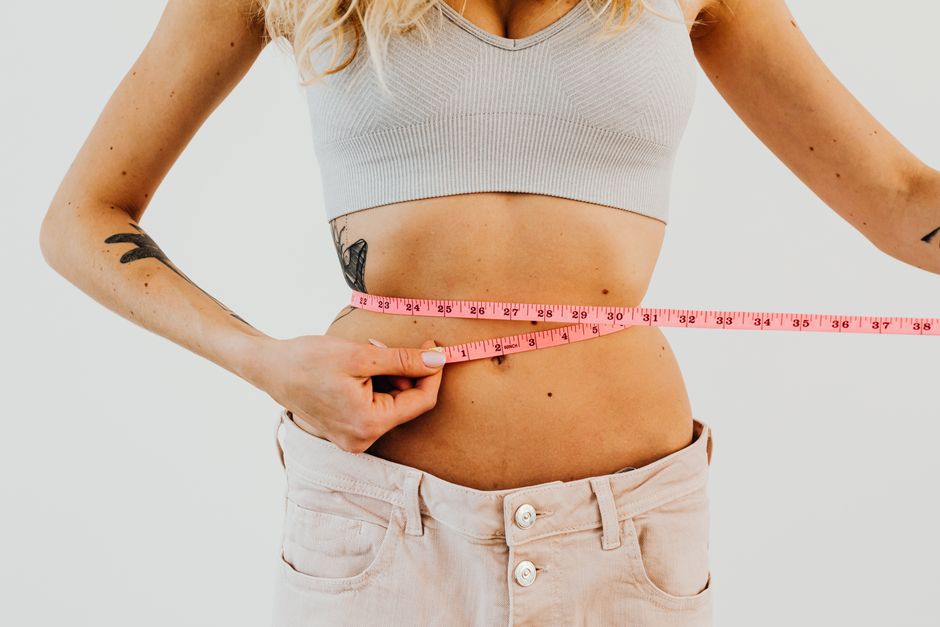
There isn’t one single number for healthy body fat that fits everyone. Healthy body fat percentages change as you age, and they differ between men and women. For most adults, a healthy range falls between 10% and 31% for women and 2% to 24% for men, with the lower end of these ranges generally applying to younger adults and the higher end to older adults.
What Is Body Fat and Why Does It Matter?
Body fat is more than just stored energy. It is an active organ that produces hormones and helps regulate your body temperature. Some fat is essential for survival. This is called essential fat. Women need more essential fat than men because of childbearing needs. Without enough essential fat, your body cannot function properly.
Storage fat is the fat under your skin and around your organs. A little bit of storage fat is healthy. It protects your organs and provides energy when you need it. Too much storage fat, especially around your midsection, is linked to higher risks of heart disease, diabetes, and other health problems.
The key is balance. Too little body fat can cause hormonal problems, weak bones, and a weak immune system. Too much body fat can lead to chronic disease. This is why knowing what percentage of body fat is healthy by age matters for your overall health.
What Percentage Of Body Fat Is Healthy By Age?
Research shows that healthy body fat ranges increase as you get older. This is normal. As people age, they naturally lose muscle mass and bone density. Body fat often increases to compensate. The ranges below are based on current research from the American Council on Exercise and other health organizations.
For women:
- Ages 20-39: 21% to 32% body fat is considered healthy. Athletic women may be as low as 14% to 20%.
- Ages 40-59: 23% to 35% is healthy. The increase reflects normal hormonal changes during perimenopause.
- Ages 60-79: 24% to 36% is healthy. Some fat helps protect bone density and cushion joints.
For men:
- Ages 20-39: 8% to 20% is healthy. Athletic men may be as low as 6% to 13%.
- Ages 40-59: 11% to 22% is healthy. Testosterone levels begin to decline naturally.
- Ages 60-79: 13% to 25% is healthy. Slightly higher fat can be protective for older men.
These ranges are guidelines, not strict rules. A woman at 33% body fat at age 45 is likely fine. A man at 7% body fat at age 35 may be healthy but might struggle with hormone levels if he stays that lean too long.
How Do You Measure Body Fat Accurately?
The scale at home does not tell you your body fat percentage. It only tells you total weight. To know your body fat, you need a specific measurement method. Each method has strengths and weaknesses.
DEXA scan is the gold standard. It uses low-dose X-rays to measure bone density, muscle, and fat. It is accurate but expensive and not available everywhere. A DEXA scan costs around $100 to $200 and requires a clinic visit.
Bod Pod uses air displacement to measure body volume. It is nearly as accurate as DEXA. You sit inside a sealed chamber for a few minutes. It costs about $50 to $100 per session.
Bioelectrical impedance is the method used by most home scales and handheld devices. It sends a tiny electrical current through your body. It is convenient but less accurate. Hydration levels, food intake, and time of day can change the reading by 3% to 5%. Use it for tracking trends, not absolute numbers.
Skinfold calipers measure fat at specific sites on your body. A trained professional can get good results. At home, it is harder to be consistent. The accuracy depends heavily on who takes the measurements.
What to avoid: Online calculators that ask for height, weight, and age only. They use formulas that are often wrong for individuals. Also avoid BMI as a substitute for body fat percentage. BMI does not distinguish between muscle and fat. A muscular athlete can have a high BMI but very low body fat.





Does Body Fat Distribution Matter More Than Percentage?
Some studies suggest that where you carry fat matters more than the total percentage. Fat stored around your waist, called visceral fat, is more dangerous than fat stored on your hips and thighs. Visceral fat wraps around your internal organs and releases inflammatory chemicals. This increases your risk for heart disease, type 2 diabetes, and certain cancers.
Waist circumference is a simple measure of visceral fat risk. For women, a waist measurement over 35 inches signals higher risk. For men, it is over 40 inches. These numbers are independent of your body fat percentage. You can have a healthy body fat percentage but still carry too much visceral fat.
Current research suggests that combining body fat percentage with waist circumference gives a better picture of health than either measure alone. If your body fat percentage is in the healthy range but your waist is large, focus on reducing belly fat through diet and exercise. If your body fat percentage is high but your waist is normal, you may still be at risk but less so than someone with a large waist.
What Happens When Body Fat Is Too Low or Too High?
Being too lean is not automatically healthy. Body fat below essential levels can cause serious problems. For women, body fat below 10% to 12% often leads to missed periods, bone loss, and fertility issues. For men, body fat below 4% to 6% can lower testosterone, weaken bones, and reduce immune function.
These low levels are common in competitive bodybuilders and endurance athletes. But they are not sustainable long-term for most people. The body needs some fat to produce hormones and maintain organ function.
Being too high in body fat carries its own risks. Body fat above 35% for women and above 25% for men is linked to metabolic syndrome, high blood pressure, and joint problems. The risk increases gradually. A woman at 36% body fat is not in immediate danger, but her risk for health issues is higher than someone at 30%.
As of 2026, current research suggests that the relationship between body fat and health is not perfectly linear. Some people with higher body fat percentages live long, healthy lives. Genetics, diet quality, and physical activity level all play roles. Body fat percentage is one piece of a larger puzzle.
How Can You Improve Your Body Fat Percentage?
Improving your body fat percentage is about changing your body composition, not just losing weight. You want to lose fat and keep or gain muscle. This requires a combination of diet, exercise, and patience.
Resistance training is the most effective way to build muscle and reduce fat. Lifting weights, bodyweight exercises, or resistance bands all work. Aim for two to three sessions per week. Muscle burns more calories at rest than fat does. Over time, building muscle raises your resting metabolism.
Protein intake supports muscle growth and helps you feel full. Aim for about 0.7 grams of protein per pound of body weight. For a 150-pound person, that is about 105 grams of protein per day. Spread it across meals. Good sources include lean meat, fish, eggs, dairy, beans, and tofu.
Sleep and stress management are often overlooked. Poor sleep raises cortisol, a stress hormone that encourages fat storage around the belly. Aim for seven to nine hours of sleep per night. Manage stress through walking, meditation, or hobbies that relax you.
Avoid crash diets. Very low-calorie diets cause rapid weight loss, but much of it is water and muscle, not fat. You lose muscle, your metabolism slows, and you often regain the weight quickly. Slow, steady changes are more effective for long-term body fat reduction.
Common Misconceptions About Body Fat and Age
One common myth is that older adults should have the same body fat as younger adults. This is not true. Healthy body fat ranges increase with age for good reasons. Hormonal changes, muscle loss, and metabolic shifts all contribute. Trying to maintain a 20-year-old’s body fat at age 60 is unrealistic and potentially unhealthy.
Another myth is that very low body fat is always better. Extremely low body fat can be dangerous, especially for women. The female body needs at least 10% to 13% essential fat for basic health. Below that, menstrual cycles stop, bone density drops, and heart function can be affected.
Some people also believe that spot reduction works. You cannot target fat loss from one area. Doing hundreds of crunches will not remove belly fat. Fat loss happens evenly across the body based on genetics. The best approach is overall fat reduction through diet and exercise.
Frequently Asked Questions
What is the ideal body fat percentage for a 50-year-old woman?
The healthy range for women ages 40-59 is 23% to 35% body fat. A 50-year-old woman in this range is likely healthy.
Can you have too little body fat?
Yes. For women, body fat below 10% to 12% can cause hormonal problems. For men, below 4% to 6% can lower testosterone.
Does BMI tell you your body fat percentage?
No. BMI estimates body fat based on height and weight but does not measure it directly. It can be misleading for muscular people.
How often should you measure body fat?
Every four to six weeks is enough for tracking changes. Measuring more often leads to frustration from normal daily fluctuations.
