
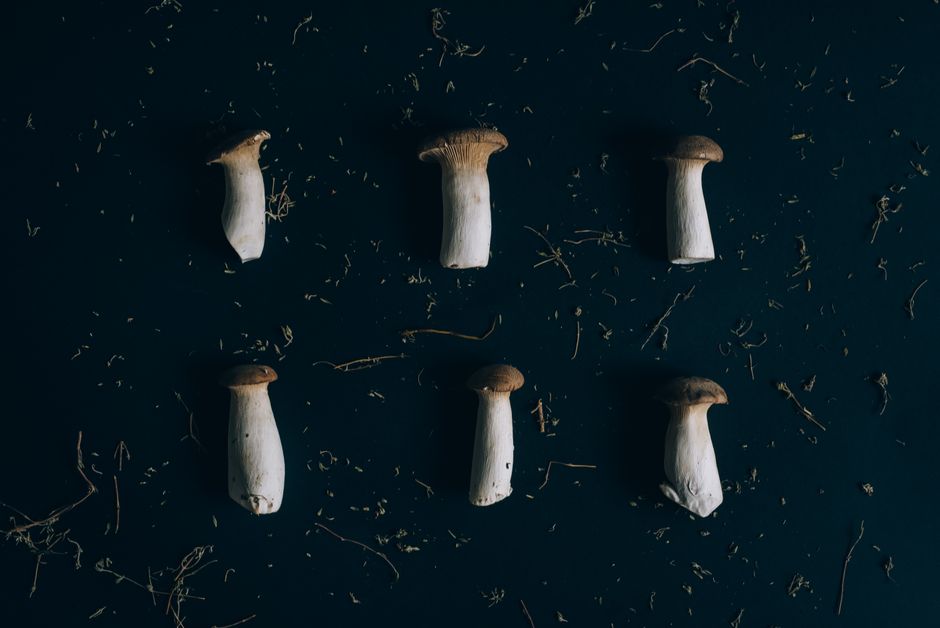
Mushrooms are neither plant nor animal. They belong to the fungus kingdom. In nature, they break down dead material and form underground networks that help plants grow. In your body, their unique compounds interact with your immune system and gut bacteria. This article explains how mushrooms work in both places.
How Do Mushrooms Work In Nature And Your Body?
Mushrooms are the visible fruiting bodies of a much larger organism called mycelium. In nature, mycelium weaves through soil, wood, and leaf litter. It releases enzymes that break down complex organic matter into simple nutrients. This decomposition returns carbon and minerals to the soil, which plants then use.
Inside your body, the same compounds that help mushrooms thrive in harsh environments can influence human biology. The most studied are beta-glucans, long chains of sugar molecules found in mushroom cell walls. These beta-glucans are not digested in the small intestine. Instead, they reach the large intestine where gut bacteria ferment them. Some beta-glucans also pass through the gut lining and interact with immune cells.
The following sections look at each role in more detail.
How Do Mushrooms Decompose Organic Matter?
Mushrooms produce powerful enzymes that break down tough plant materials like lignin and cellulose. Lignin gives wood its strength. Only fungi and a few bacteria can break it down. White rot fungi, for example, secrete lignin peroxidase and other enzymes that dismantle lignin, allowing the mushroom to absorb the sugars and nutrients trapped inside.
This process is called saprotrophic nutrition. It is how mushrooms recycle dead trees, fallen leaves, and animal waste. Without mushrooms and other decomposers, dead organic matter would pile up and nutrients would remain locked away.
What Does Mycelium Do in Soil?
Mycelium is the underground network of thread-like cells called hyphae. It can spread for miles through soil. One individual honey fungus in Oregon spans nearly four square miles. Mycelium acts like a biological internet. It transports water, nitrogen, phosphorus, and other nutrients across long distances.
Mycelium also helps store carbon. As hyphae grow and die, they leave behind stable carbon compounds that can remain in soil for decades. This makes fungi important players in the global carbon cycle.



How Do Mushrooms Help Plants Grow?
About 90 percent of land plants form symbiotic relationships with fungi. These are called mycorrhizae. The fungus colonizes the plant roots. It extends far into the soil, gathering water and minerals that the plant cannot reach on its own. In exchange, the plant provides the fungus with sugars from photosynthesis.
This partnership is ancient. Fossil evidence suggests mycorrhizal associations existed over 400 million years ago. Without them, many plants would struggle to grow in nutrient-poor soils.
How Does Your Body Process Mushroom Nutrients?
When you eat a mushroom, your digestive system breaks down its proteins, fats, and carbohydrates. The cell walls are made of chitin, a fiber similar to the shells of shrimp. Most humans do not have enzymes to digest chitin fully. Some research suggests that specialized gut bacteria can help ferment it, but the effect is modest.
Beta-glucans are the part of mushrooms that researchers are most interested in. These are soluble fibers. They are not broken down in the stomach or small intestine. They travel to the colon where bacteria ferment them into short-chain fatty acids like butyrate. Butyrate feeds colon cells and may reduce inflammation.
How Do Beta-Glucans Affect the Immune System?
Beta-glucans from mushrooms have a unique shape that immune cells recognize. Certain white blood cells have receptors called Dectin-1 and complement receptor 3. When beta-glucans bind to these receptors, the cells become more active against threats.
Clinical studies have shown that consuming beta-glucans from mushrooms like shiitake, maitake, and reishi can increase the activity of natural killer cells and macrophages. These cells help defend against viruses and abnormal cells. However, this does not mean mushrooms cure disease or prevent infection outright. The effect is one of modulation, not boosting. For most healthy people, regular consumption may support immune function, but evidence for specific disease prevention is limited.
How Do Mushrooms Influence Gut Bacteria?
Mushrooms contain prebiotic fibers, including inulin and beta-glucans. These fibers feed beneficial bacteria such as Bifidobacterium and Lactobacillus. A healthier gut microbiome is linked to better digestion, mood, and immune function.
A few small human trials have found that eating mushrooms regularly increases the diversity of gut bacteria. More diverse microbiomes are generally associated with lower inflammation and stronger immune responses. The evidence is still emerging, and large controlled trials are needed to confirm long-term benefits.
Are Mushrooms a Reliable Source of Vitamin D?
Mushrooms are the only non-animal food that naturally contains vitamin D. But they make it only when exposed to UV light. Most commercially grown mushrooms are cultivated in the dark and contain very little vitamin D. Some producers expose them to UV light after harvest, which increases levels significantly.
If you buy mushrooms labeled “UV-treated” or “high vitamin D,” they can provide a meaningful amount. Otherwise, your body’s main source for vitamin D remains sunlight or fortified foods. Cooking does not destroy vitamin D in mushrooms, but how much you get depends on the original content.
Are Mushroom Supplements Effective?
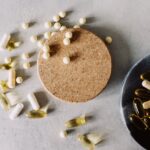
Mushroom supplements are widely sold. They come as powders, extracts, or tinctures. Some products claim to “boost immunity” or “fight cancer.” The evidence for these strong claims is thin. Most studies use whole mushrooms or highly standardized extracts, not random supplements on the shelf.
Quality varies widely. Some supplements contain mycelium grown on grain, not the fruiting body. The beta-glucan content can be much lower. If you choose a supplement, look for one that specifies the part of the mushroom used (fruiting body or mycelium) and lists beta-glucan or polysaccharide content. Even then, no supplement has been proven to work better than eating whole, cooked mushrooms in a balanced diet.
Frequently Asked Questions
Are all mushrooms safe to eat?
No. Many wild mushrooms are toxic and some are deadly. Only eat mushrooms from a reliable source, such as a grocery store or a trained forager. Never eat a mushroom you cannot identify with certainty.
How should you cook mushrooms for health?
Light cooking methods like sautéing, roasting, or grilling preserve most nutrients while making the cell walls easier to digest. Avoid deep frying, which adds unhealthy fats. Cooking also reduces any naturally occurring toxins in some mushrooms.
Can mushrooms replace medication?
No. Mushrooms are food, not medicine. They contain nutrients and bioactive compounds that may support health, but they should not be used to treat or prevent any disease without medical supervision. Always follow your doctor’s advice regarding medications.
How long does it take to notice health effects from eating mushrooms?
Dietary changes affect the gut microbiome and immune system over weeks to months, not hours. No studies have established a specific timeline. Consistent intake as part of an overall healthy diet is more important than any quick effect.
