
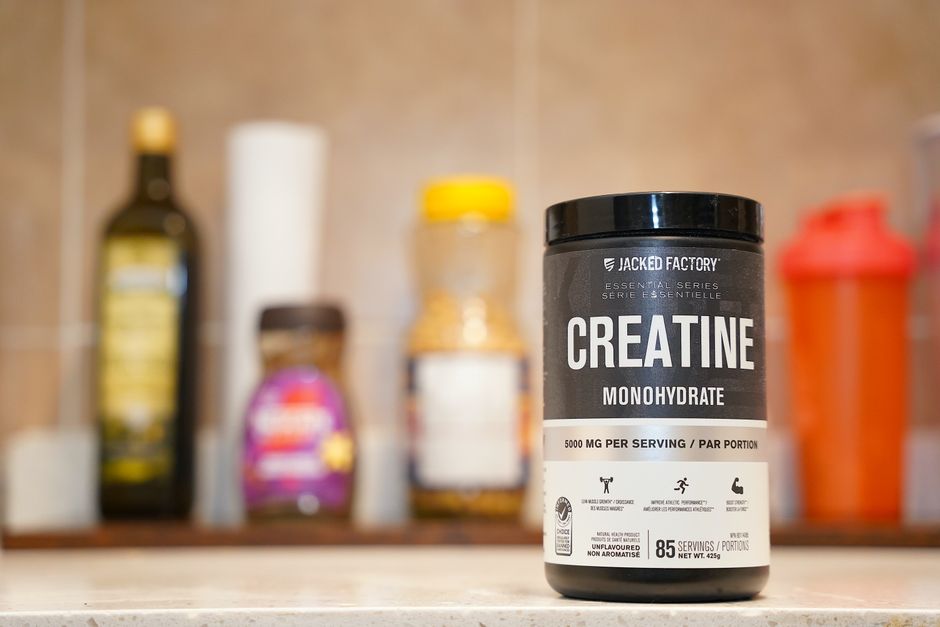
Creatine is a natural compound found mostly in your muscles and brain. Your body makes it from amino acids, and you also get it from eating meat and fish. It acts as a quick fuel source for your cells, especially during short bursts of intense activity like sprinting or lifting weights. Think of it as a backup battery that helps your body produce energy rapidly when demand spikes.
How Does Creatine Work in the Body?
Your cells use a molecule called ATP (adenosine triphosphate) for energy. When you exercise hard, ATP gets used up fast. Creatine steps in to help recycle ATP so your cells can keep working. It donates a phosphate group to ADP (adenosine diphosphate) to turn it back into ATP. This process happens in seconds.
Your body stores creatine as phosphocreatine. About 95% of your total creatine is stored in skeletal muscle. The other 5% is in your brain, heart, and other tissues. When you need a sudden burst of energy, phosphocreatine breaks down quickly to regenerate ATP. This is why creatine is most helpful for high-intensity, short-duration activities.
After about 10 seconds of all-out effort, your phosphocreatine stores run low. Your body then shifts to other energy systems like glycolysis. This is why creatine supplementation can help you get one or two extra reps in the gym, but it won’t help much during a marathon.
What Is Creatine In The Body Naturally?
Your liver, kidneys, and pancreas produce about 1 gram of creatine per day. They make it from three amino acids: arginine, glycine, and methionine. This natural production covers roughly half of your daily needs. The rest comes from your diet if you eat enough animal protein.
A typical omnivore gets about 1 to 2 grams of creatine daily from food. Red meat and fish are the best sources. A pound of uncooked beef or salmon contains roughly 1 to 2 grams. Vegetarians and vegans have lower baseline levels because they get almost no creatine from food. Their bodies still make it, but total stores tend to be lower.
Your body tightly regulates creatine levels. When you eat more creatine, your natural production slows down. When you eat less, production increases. This is why long-term supplementation does not permanently shut down your body’s ability to make creatine.
What Are the Proven Benefits of Creatine?
The most well-established benefit is improved performance in high-intensity exercise. Research consistently shows that creatine supplementation increases strength, power, and muscle mass when combined with resistance training. This effect is reliable and has been studied for decades.
Some evidence suggests creatine may help with cognitive function, especially in situations where your brain is under stress. This includes sleep deprivation, aging, or certain neurological conditions. The mechanism is the same — creatine helps brain cells produce energy more efficiently. But the evidence here is less robust than for muscle performance.
Creatine may also support recovery after injury. Some studies indicate it can reduce muscle damage and inflammation following intense exercise. There is also growing interest in creatine’s role in bone health, glucose regulation, and even mood. These areas have promising early data but are not yet proven to the same degree as the muscle benefits.


Is Creatine Safe? What the Evidence Says
Creatine is one of the most studied supplements in existence. Decades of research have not found serious side effects in healthy people at recommended doses. The typical dose is 3 to 5 grams per day. Some people use a loading phase of 20 grams per day for the first week, but this is not necessary.
The most common side effect is water retention. Creatine pulls water into your muscle cells, which can cause a small increase in body weight. This is not fat gain. It is extra water inside your muscles, which can actually make them look fuller.
Some people report digestive discomfort, especially with higher doses. This is usually mild and goes away when you reduce the dose or take it with food. There is no credible evidence that creatine damages kidneys or livers in healthy people. The myth about kidney damage comes from case reports of people with pre-existing kidney disease. If you have kidney problems, talk to your doctor before taking creatine.
Does Creatine Work for Everyone?
Not equally. People with lower baseline creatine levels tend to see the biggest benefits. This includes vegetarians, vegans, and older adults. If you already have high creatine stores from a meat-heavy diet, the boost from supplementation will be smaller.
Some people are “non-responders” — they do not see a noticeable improvement in performance. This may be because their muscles are already saturated with creatine. Genetics may also play a role. A small percentage of people have naturally high creatine levels and do not get much additional benefit from supplements.
Age matters too. Older adults often lose muscle mass and strength as they age. Some studies suggest creatine can help slow this loss, especially when combined with resistance training. The effect in younger adults is more about performance enhancement than preservation.
What Happens When You Stop Taking Creatine?
Your creatine levels gradually return to baseline over several weeks. The extra water leaves your muscles, so you may lose a pound or two of water weight. Your strength and muscle mass may decrease slightly if you stop training, but this is not caused by creatine withdrawal. It is simply the loss of the performance benefit.
Your body continues to produce creatine naturally. There is no rebound effect or crash. Some people worry about dependence, but that is not how creatine works. It is not addictive. Your body simply returns to its natural state.
Creatine vs. Other Supplements: How Does It Compare?
Creatine is one of the few supplements with consistent, high-quality evidence behind it. Most supplements in the fitness world have weak or mixed evidence. Creatine is an exception. It is not a miracle pill, but it reliably does what it claims to do for muscle performance.
| Supplement | Strength of Evidence | Main Benefit |
|---|---|---|
| Creatine | Strong | High-intensity performance, muscle mass |
| Protein powder | Strong | Muscle repair, satiety |
| BCAAs | Mixed | May reduce soreness, but protein is better |
| Beta-alanine | Moderate | Delays muscle fatigue in certain exercises |
| Pre-workout blends | Weak to moderate | Short-term energy boost from caffeine |
Creatine works on a different mechanism than caffeine or beta-alanine. It is not a stimulant. It does not make you feel wired or jittery. It simply gives your cells a better fuel supply for explosive movements.
Should You Take Creatine?
That depends on your goals. If you do resistance training, sprint, or play sports that require short bursts of power, creatine can help. If you are a distance runner or do mostly steady-state cardio, the benefit is smaller. Creatine will not help you run a faster 10K, but it may help you finish a hard interval session.
If you are over 50 and want to preserve muscle mass, creatine combined with strength training is a reasonable choice. The evidence for older adults is promising, though more research is needed. If you are vegetarian or vegan, your baseline levels are lower, so you may notice a bigger difference.
If you have kidney disease, liver disease, or any serious medical condition, talk to your doctor first. For healthy adults, creatine is considered safe and effective. It is not a drug. It is a naturally occurring compound that your body already makes and uses every day.
Frequently Asked Questions
Does creatine cause weight gain?
Yes, but it is mostly water weight inside your muscles, not fat. You may gain 2 to 4 pounds in the first week due to water retention.
Can women take creatine?
Yes, women can take creatine safely. Research shows similar benefits for strength and muscle mass in women, though some studies suggest the effect may be slightly smaller than in men.
Is creatine a steroid?
No, creatine is not a steroid. It is a natural compound made from amino acids. It works completely differently from anabolic steroids and is not a hormone.
How long does it take for creatine to work?
Most people notice effects within 1 to 2 weeks of daily supplementation. A loading phase can speed this up, but it is not required. Consistent daily use at 3 to 5 grams is enough.
