
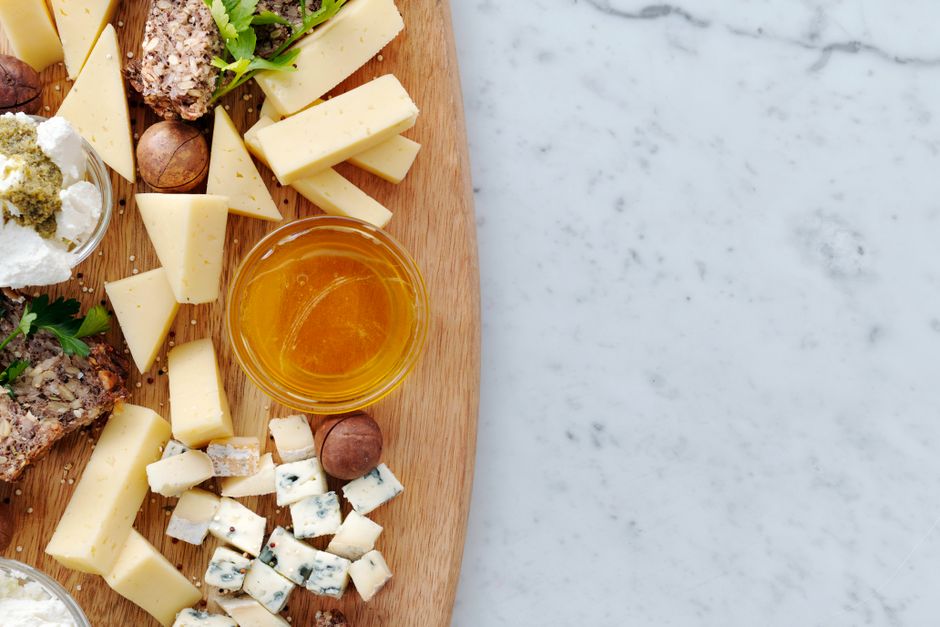
If you are pregnant and standing in the cheese aisle wondering what is safe, here is the short answer: hard cheeses, most soft cheeses made from pasteurized milk, and processed cheeses are generally safe. Unpasteurized soft and semi-soft cheeses are the ones to avoid, along with soft-ripened varieties like brie and camembert unless the label confirms they are pasteurized. The concern is not cheese itself. It is a bacterium called Listeria monocytogenes, which is rare but can cause serious harm during pregnancy.
What Cheeses Are Safe To Eat During Pregnancy?
The safety question comes down to two things: whether the milk was pasteurized and how much moisture the finished cheese holds. Pasteurization kills Listeria and other harmful bacteria. Moisture matters because Listeria thrives in wet, low-acid environments. A dry, aged cheese is a poor home for it. A soft, wet cheese is a much better one.
Cheeses generally considered safe during pregnancy include:
- Hard cheeses such as cheddar, parmesan, gruyere, and Swiss, whether pasteurized or not, because their low moisture and acidity do not support Listeria growth
- Processed cheeses, cream cheese, cottage cheese, and mozzarella made from pasteurized milk
- Pasteurized feta, goat cheese, and ricotta
- Soft-ripened cheeses like brie, camembert, and blue cheese if the label states they are made from pasteurized milk
Cheeses to avoid include any soft or semi-soft cheese made from unpasteurized milk, and soft-ripened cheeses where you cannot confirm pasteurization. This includes many imported bries, camemberts, and blue cheeses, which are often made with raw milk under European tradition.
Here is a point that surprises people. The US requires all raw milk cheeses to be aged at least 60 days before sale. That rule was built around the idea that aging kills pathogens. The evidence does not fully support that assumption. Outbreaks of Listeria and other foodborne illness have been linked to aged raw milk cheeses, which is why public health agencies still advise pregnant women to avoid raw milk products entirely.
Why Is Listeria Such a Concern During Pregnancy?
Pregnancy changes how the body handles certain infections. The immune system shifts in ways that help tolerate the growing fetus, but that same shift can make a pregnant woman more vulnerable to Listeria and other pathogens that live inside cells.
According to the Centers for Disease Control and Prevention, pregnant women are roughly 10 times more likely than other healthy adults to get a Listeria infection. Most people who eat contaminated food and get exposed never get sick. When a pregnant woman does develop listeriosis, the illness can pass through the placenta to the fetus.
The consequences can be serious. Listeriosis during pregnancy has been linked to miscarriage, stillbirth, premature delivery, and life-threatening infection in newborns. The CDC notes that pregnant women make up a disproportionate share of severe listeriosis cases even though the infection is uncommon overall.
Early symptoms can be easy to miss. They may include fever, muscle aches, fatigue, and sometimes nausea or diarrhea. Symptoms typically appear within days to weeks after eating contaminated food, though the range varies. If you have these symptoms during pregnancy, contact your healthcare provider. Listeriosis is treatable with antibiotics, and earlier treatment is better for both mother and baby.
Does Pasteurization Really Make Cheese Safe?
Pasteurization heats milk to a temperature that kills Listeria and other pathogens. When it is done correctly, it is highly effective. This is why pasteurized cheese is the foundation of safe cheese choices in pregnancy.
The catch is contamination after pasteurization. Cheese can be recontaminated during handling, cutting, or packaging. This is rare in commercial production but it has happened, which is why food safety advice for pregnant women also includes basic handling practices like keeping cheese refrigerated and not eating it past its use-by date.
Unpasteurized milk is a different story. Raw milk can carry Listeria, Salmonella, E. coli, and Campylobacter. The CDC and the Food and Drug Administration both advise against consuming raw milk and raw milk products during pregnancy. This is not a fringe position. It reflects decades of outbreak data.
Some people argue raw milk is healthier. There is no clinical evidence that raw milk provides benefits that outweigh the infection risk, particularly in pregnancy. The evidence for raw milk’s claimed advantages is weak, while the evidence for its risks is well documented.

What About Soft Cheeses, Blue Cheese, and Feta?
Soft cheeses get a bad reputation for good reason, but the rule is not simply “avoid all soft cheese.” Read the label.
Soft cheeses made from pasteurized milk, including pasteurized feta, brie, camembert, and blue cheese, are generally considered safe. The risk comes from unpasteurized versions of these same cheeses.
Blue cheese deserves a specific note because it is made with mold cultures. The mold itself is not the concern. The concern is the moisture and the possibility of raw milk. Pasteurized blue cheese is considered safe by most public health guidance, though some clinicians still advise caution during pregnancy. If you want to be conservative, skip it. If you eat it, confirm pasteurization first.
Feta is often made from sheep’s milk or a mix of sheep and goat milk. Traditionally it is brined and can be made from raw milk. In the US, most commercial feta is pasteurized. Check the package.
How Can You Tell If a Cheese Is Pasteurized?
The label is your best tool. In the US, cheese made from unpasteurized milk is required to state that on the label, usually with wording like “made from unpasteurized milk” or “raw milk.” If you do not see that warning, the cheese is almost certainly pasteurized.
This is not foolproof. Some small producers and imported cheeses may not follow US labeling conventions. When in doubt, ask. At a restaurant or cheese counter, ask whether the cheese is pasteurized. If no one can confirm it, choose something else.
Soft cheeses sold in the US are usually pasteurized, but soft cheeses imported from Europe often are not. That geographic difference matters. A brie from a French market and a brie from a US grocery store may have very different safety profiles.
Are There Other Cheese-Related Risks Beyond Listeria?
Listeria is the main concern, but it is not the only one. Unpasteurized cheese can also carry Salmonella, E. coli, and Campylobacter. These can cause severe gastrointestinal illness, which is dangerous in pregnancy because of dehydration and the strain on the body.
There is also the question of Brucella, a bacterium found in unpasteurized dairy from certain regions. Brucellosis is rare in the US but more common in parts of the Mediterranean, Middle East, and Latin America. It can cause serious complications in pregnancy. This is another reason imported raw milk cheeses carry more risk than domestic pasteurized ones.
Proper storage matters too. Keep cheese refrigerated at 40°F or below. Do not leave it out for more than two hours. Throw away cheese that has been sitting out or is past its date.
What If You Already Ate a Risky Cheese?
Do not panic. Most exposures do not lead to infection. Listeriosis is uncommon even among people who eat contaminated food.
That said, if you ate an unpasteurized soft cheese and then developed fever, muscle aches, or flu-like symptoms, contact your healthcare provider. Tell them what you ate and when. Testing and treatment are available, and early intervention improves outcomes.
If you have no symptoms, most clinicians would not recommend testing or treatment. The risk of a serious outcome from a single exposure is low, though not zero. Your provider can help you decide whether any action is needed.
Frequently Asked Questions
Can I eat brie or camembert while pregnant?
Only if the label confirms it is made from pasteurized milk. Unpasteurized brie and camembert are among the cheeses most often linked to Listeria risk and should be avoided.
Is feta safe during pregnancy?
Pasteurized feta is generally considered safe. Unpasteurized feta, which is common in some imported varieties, should be avoided.
Can I eat blue cheese when pregnant?
Pasteurized blue cheese is generally considered safe by most public health guidance. If you cannot confirm pasteurization, skip it.
What happens if I eat unpasteurized cheese while pregnant?
Most exposures do not cause illness, but if you develop fever, muscle aches, or flu-like symptoms, contact your healthcare provider promptly. Listeriosis is treatable with antibiotics.
