
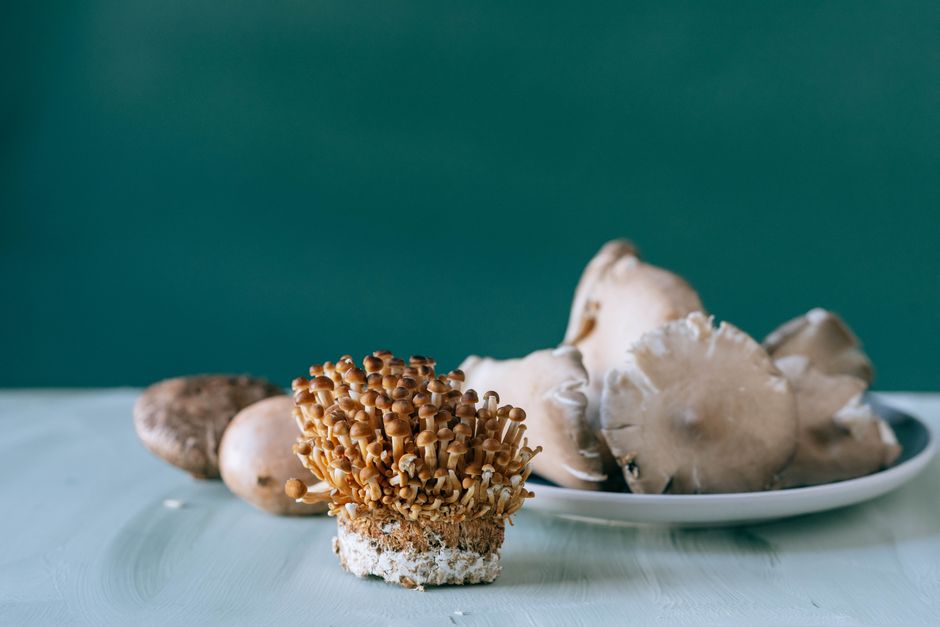
Yes, you can eat mushrooms during pregnancy. Common button mushrooms, cremini, portobello, shiitake, and oyster mushrooms are safe when properly cleaned and fully cooked. The key is cooking them thoroughly to kill any bacteria or pathogens. Raw or undercooked mushrooms carry risks no pregnant woman should take. This article explains exactly which mushrooms are safe, which to avoid, and how to prepare them correctly.
Are Mushrooms Safe to Eat During Pregnancy?
Research shows that common cultivated mushrooms are safe during pregnancy. The USDA and FDA both classify mushrooms as a vegetable that can be part of a healthy pregnancy diet. The main concern is food safety, not the mushrooms themselves.
Mushrooms are fungi that grow in soil. They can carry harmful bacteria like Listeria or Salmonella if not handled properly. Pregnant women are about 10 times more likely to get listeriosis than the general population, according to the CDC. This infection can cause miscarriage, stillbirth, or severe illness in newborns.
Cooking mushrooms to at least 165°F kills these bacteria. That is the same standard recommended for all meats and eggs during pregnancy. Raw mushrooms in salads or on sandwiches are not worth the risk.
Which Types of Mushrooms Are Safe During Pregnancy?
Most grocery store mushrooms are safe when cooked. This includes white button mushrooms, cremini, portobello, shiitake, oyster, enoki, and maitake. These are cultivated in controlled environments and widely considered safe.
Wild mushrooms are a different story. Never eat wild mushrooms during pregnancy unless a certified mycologist has identified them. Many toxic mushrooms look identical to edible ones. The American Association of Poison Control Centers reports thousands of mushroom poisoning cases each year. Some toxins cause liver failure or death within days.
Medicinal mushrooms like reishi, cordyceps, and lion’s mane have less research on pregnancy safety. Some studies suggest they may affect hormone levels or immune function. As of 2026 there is no clinical evidence that they are harmful, but there is also no evidence they are safe. Most experts recommend avoiding medicinal mushroom supplements during pregnancy.
Here is a quick comparison of mushroom types:
| Mushroom Type | Safe When Cooked? | Notes |
|---|---|---|
| White button | Yes | Most common, fully safe |
| Cremini / portobello | Yes | Same species, different maturity |
| Shiitake | Yes | Cook until tender |
| Oyster | Yes | Cook thoroughly |
| Enoki | Yes | Cook until soft, avoid raw |
| Wild foraged | No | Too risky to identify correctly |
| Medicinal supplements | Unclear | Not enough pregnancy safety data |
| Magic (psilocybin) | No | Illegal and dangerous during pregnancy |
Can You Eat Mushroom During Pregnancy Raw?
No. Raw mushrooms are not safe during pregnancy. The FDA advises against eating raw mushrooms for anyone with a weakened immune system, and pregnancy counts as a state of immune modulation.
Raw mushrooms can carry Listeria monocytogenes and other pathogens. Even washing them thoroughly does not guarantee safety. Bacteria can get into the porous flesh of mushrooms and survive rinsing. Cooking is the only reliable way to eliminate them.
Some people eat raw white mushrooms in salads without issue. But during pregnancy, the consequences of a foodborne illness are much higher. It is not worth the risk. Cook all mushrooms until they are soft and have released most of their water.




What Are the Nutritional Benefits of Mushrooms for Pregnancy?
Mushrooms offer several nutrients that support a healthy pregnancy. They are one of the few natural food sources of vitamin D. When exposed to UV light during growth, mushrooms produce vitamin D2. One cup of UV-exposed mushrooms can provide 100% of the daily vitamin D recommendation for pregnant women.
Mushrooms also contain B vitamins including riboflavin, niacin, and pantothenic acid. These support fetal brain development and help the mother’s body produce energy. They provide copper, which helps form red blood cells, and selenium, which supports thyroid function.
Some studies suggest mushrooms contain beta-glucans, a type of fiber that may support immune function. Research published in the Journal of Nutrition found that daily mushroom consumption was associated with lower inflammation markers in adults. However, this benefit has not been specifically studied in pregnant women.
Mushrooms are low in calories and fat, making them a good option for weight management during pregnancy. They add umami flavor to meals without needing extra salt.
How Should You Prepare Mushrooms During Pregnancy?
Follow these steps for safe mushroom preparation:
- Buy mushrooms from a reliable source. Avoid roadside stands or farmers markets where handling practices are unknown.
- Store mushrooms in the refrigerator at 40°F or below. Use within 3-5 days of purchase.
- Clean mushrooms by wiping with a damp paper towel or rinsing briefly under cold water. Do not soak them.
- Cook mushrooms until they are soft and have released moisture. This usually takes 5-10 minutes depending on the cooking method.
- Aim for an internal temperature of 165°F. Use a food thermometer if unsure.
- Avoid eating mushrooms that look slimy, have a bad odor, or show mold. These signs indicate spoilage.
Common cooking methods include sautéing, roasting, grilling, and adding to soups or stir-fries. Canned mushrooms are also safe because they are heated during the canning process. Just rinse them to reduce sodium.
Are There Any Mushrooms You Should Avoid Completely?
Yes. Avoid wild mushrooms you cannot identify. This includes mushrooms picked from lawns, forests, or parks. Even experienced foragers make mistakes. The consequences of eating a toxic mushroom during pregnancy can be fatal.
Avoid medicinal mushroom supplements unless your doctor specifically recommends them. Products like reishi, chaga, and cordyceps are not regulated by the FDA. Their safety during pregnancy has not been studied. Some may contain heavy metals or other contaminants.
Magic mushrooms containing psilocybin are illegal in most places and dangerous during pregnancy. They can cause hallucinations, panic, and risky behavior. There is no safe dose during pregnancy.
Some people claim that mushrooms can cause miscarriage or birth defects. This is not supported by evidence. The risk comes from foodborne illness or toxic wild mushrooms, not from properly cooked cultivated mushrooms. Do not let viral social media posts scare you away from a nutritious food.
What Does Research Say About Mushroom Safety in Pregnancy?
Research on mushroom consumption during pregnancy is limited but consistent. A 2019 review in Nutrition Reviews found no evidence that commonly eaten mushrooms cause harm during pregnancy. The authors noted that mushrooms provide beneficial nutrients and should not be avoided.
The European Food Safety Authority has evaluated mushroom safety and concluded that cultivated mushrooms are safe for the general population, including pregnant women, when properly cooked. No specific warnings exist for pregnancy.
Some people worry about mushrooms absorbing heavy metals from soil. This is a real concern for wild mushrooms but less so for cultivated ones. Commercial mushroom growers control their growing medium. Still, eating mushrooms in moderation is wise. One to two servings per day is reasonable. Eating several pounds daily could increase heavy metal exposure unnecessarily.
Frequently Asked Questions
Can I eat mushrooms in a restaurant while pregnant?
Yes, as long as the mushrooms are fully cooked. Ask your server if the mushrooms are cooked or raw. Avoid dishes with raw mushrooms like some salads or carpaccio.
Are canned mushrooms safe during pregnancy?
Yes, canned mushrooms are safe because they are heated during processing. Rinse them to reduce sodium before eating.
Can I eat mushroom soup while pregnant?
Yes, if the soup is heated to a safe temperature. Canned or homemade mushroom soup is fine as long as it is piping hot before serving.
Do mushrooms cause gas or bloating during pregnancy?
Some people report gas from mushrooms because they contain raffinose, a complex sugar. This is not harmful but may cause discomfort. Cooked mushrooms are easier to digest than raw.
