
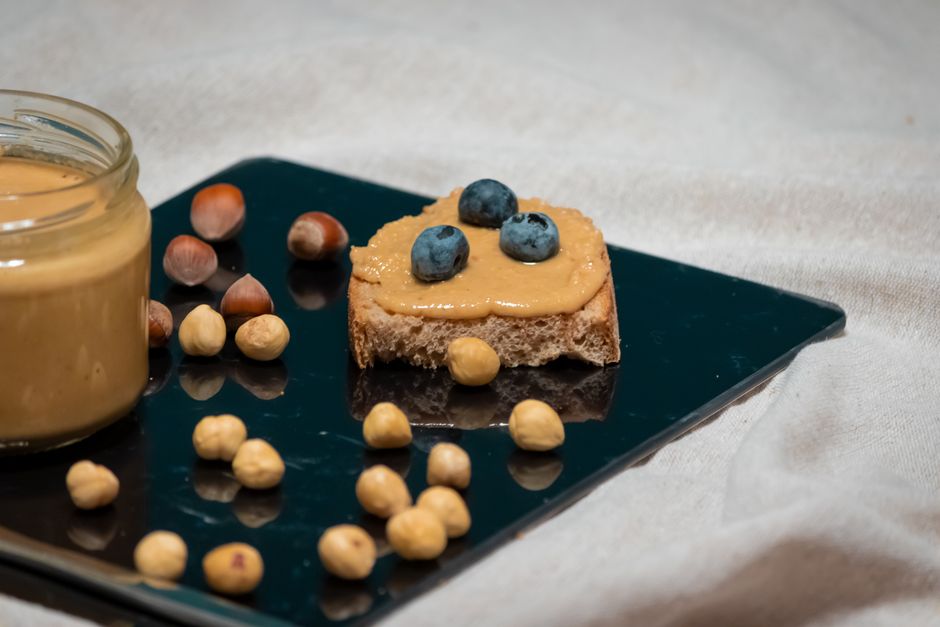
Yes, for most people with a stomach or peptic ulcer, peanut butter is safe to eat in moderation. It is not a known irritant for ulcers, and its smooth texture and healthy fats can even make it a gentle food choice. However, there are important exceptions based on how your ulcer reacts to fat and fiber, and whether you have other digestive conditions.
What Exactly Is a Peptic Ulcer?
A peptic ulcer is an open sore that forms on the lining of your stomach or the upper part of your small intestine. The two main causes are a bacterial infection called H. pylori and long-term use of nonsteroidal anti-inflammatory drugs (NSAIDs) like ibuprofen or aspirin.
Contrary to old beliefs, stress and spicy foods do not cause ulcers. They can make symptoms worse, but they are not the root cause. The CDC reports that about 1 in 10 people in the US will develop a peptic ulcer at some point in their lives.
When you have an active ulcer, the lining is raw and inflamed. Anything that increases stomach acid production or physically irritates the sore can cause pain. This is where food choices matter a lot.
Is Peanut Butter Safe To Eat With An Ulcer?
Plain, smooth peanut butter is generally safe for most people with an ulcer. It is not acidic, and it does not stimulate a strong acid response in the stomach the way citrus or coffee does. The protein and healthy fats in peanut butter can actually help buffer stomach acid temporarily.
Research published in the journal Gut has shown that diets rich in unsaturated fats, like those found in peanut butter, may support healing of the stomach lining when combined with standard ulcer treatment. This does not mean peanut butter cures ulcers. It means it is not harmful and may be neutral or mildly beneficial as part of a balanced diet.
However, there is a catch. Peanut butter is high in fat. For some people, especially those with a condition called gastroparesis or delayed stomach emptying, high-fat foods can worsen symptoms. Fat slows down how quickly food leaves your stomach, which can increase pressure and cause pain. If your ulcer causes bloating or nausea after eating, peanut butter might not sit well.
What Does the Research on Peanut Butter and Ulcers Show?
There is no large clinical trial specifically testing peanut butter for ulcers. That would be an unusual study to fund. What we have is broader research on diet and ulcer healing.
A study in World Journal of Gastroenterology reviewed dietary patterns and found that a diet high in fiber and unsaturated fats was associated with lower ulcer recurrence. Peanut butter fits that profile. The fiber in peanut butter — about 2 grams per two tablespoons — is modest but helpful.
Some people worry about aflatoxins, which are naturally occurring compounds sometimes found in peanuts. Aflatoxins can be harmful in large amounts, but the FDA monitors peanut butter closely. Commercial peanut butter brands in the US have very low, safe levels. This is not a real concern for someone eating normal amounts.
The stronger evidence is about what not to eat. Spicy foods, alcohol, and NSAIDs have clear links to worsened ulcer symptoms. Peanut butter does not appear on that list in any major study.


What Kind of Peanut Butter Is Best for an Ulcer?
Not all peanut butter is the same. The safest choice for an ulcer is smooth, unsalted, and low-sugar peanut butter. Here is why each factor matters:
- Smooth vs. crunchy: Crunchy peanut butter has small pieces of peanuts that can physically scratch or irritate a raw stomach lining. Stick to smooth until your ulcer is fully healed.
- Added sugar: High sugar intake can increase stomach acid production in some people. Many commercial peanut butters add sugar. Read the label and choose one with 1 gram of sugar or less per serving.
- Salt: Salt does not directly harm ulcers, but high sodium intake can raise blood pressure and increase fluid retention, which may worsen discomfort. Choose low-sodium or no-salt-added versions.
- Added oils: Some peanut butters contain hydrogenated oils or palm oil. These are not necessarily harmful for an ulcer, but they add more fat. Stick to peanut butter where peanuts are the first and only ingredient.
Natural peanut butter that separates into oil and solids is a good choice. Just stir it well before eating.
How Much Peanut Butter Can You Eat With an Ulcer?
Portion size matters more than the food itself. For most people with an ulcer, two tablespoons per day is a reasonable limit. That is about the size of a ping-pong ball.
Eating more than that can overload your stomach with fat and fiber at once, especially if your ulcer is active. Start with one tablespoon and see how you feel. If you get bloated, nauseous, or have pain within 30 minutes, peanut butter may not be right for you right now.
It is also important to eat peanut butter as part of a meal, not alone. Spreading it on whole wheat toast or mixing it into oatmeal dilutes the fat content and adds other gentle foods to your stomach at the same time. Eating a big spoonful of peanut butter by itself on an empty stomach is more likely to cause issues.
Here is a quick comparison of how peanut butter stacks up against other common ulcer-friendly foods:
| Food | Fat Content | Acid Level | Ulcer Safety |
|---|---|---|---|
| Smooth peanut butter (2 tbsp) | 16g | Low | Safe in moderation |
| Banana | 0g | Very low | Very safe |
| Oatmeal | 3g | Low | Very safe |
| Plain yogurt | 4g | Low | Safe for most |
| Apple (with peel) | 0g | Moderate | Usually safe |
When Should You Avoid Peanut Butter With an Ulcer?
There are specific situations where peanut butter is not a good idea. If you have any of the following, it is better to skip it:
- Active bleeding ulcer: If you see blood in your stool or vomit, eat nothing until you see a doctor. Peanut butter is not safe in this situation.
- Severe gastroparesis: If you have diabetes or another condition that slows stomach emptying, high-fat foods like peanut butter can cause nausea and vomiting.
- Peanut allergy: This is obvious but worth stating. A peanut allergy reaction can mimic or worsen ulcer symptoms and is dangerous on its own.
- Acid reflux alongside your ulcer: Some people have both conditions. Peanut butter can relax the lower esophageal sphincter in some individuals, which may worsen heartburn even if it does not harm the ulcer directly.
If you are not sure which category you fall into, start with a very small amount — half a tablespoon — and wait 45 minutes. If you have no symptoms, you can gradually increase the portion.
Common Misconceptions About Peanut Butter and Ulcers
One widespread myth is that peanut butter is “too heavy” for an ulcer and will cause acid production to spike. That is not accurate. Peanut butter has a pH of about 6.3, which is nearly neutral. It does not trigger the strong acid response that acidic foods do.
Another myth is that all nuts and nut butters are bad for ulcers because they are “rough.” This comes from confusing the texture of whole nuts with the smooth consistency of peanut butter. Whole almonds or walnuts can be physically irritating to an ulcer because of their hard edges. Smooth peanut butter does not have that problem.
Some people also believe that peanut butter causes inflammation. The opposite is true. Peanuts contain resveratrol and other antioxidants that have anti-inflammatory properties. For most people, peanut butter is not inflammatory at all.
The real risk is overeating it or choosing a brand loaded with sugar and hydrogenated oils. Those additives can cause problems, but the peanut butter itself is generally fine.
What to Avoid Eating With an Ulcer
If you want to help your ulcer heal, focus on avoiding things that are clearly harmful rather than worrying about foods like peanut butter. The biggest triggers are:
- Alcohol: Directly damages the stomach lining and slows healing.
- NSAIDs: Ibuprofen, naproxen, and aspirin can cause ulcers and prevent existing ones from healing.
- Very spicy foods: Chili peppers and hot sauces can irritate an active ulcer.
- High-acid foods on an empty stomach: Citrus fruits, tomatoes, and coffee can cause pain for some people.
- Smoking: Tobacco reduces blood flow to the stomach lining and makes healing much slower.
If you are being treated for an H. pylori infection with antibiotics, follow your doctor’s instructions exactly. Food choices matter, but the antibiotics are what actually cure the infection.
Frequently Asked Questions
Can peanut butter make an ulcer worse?
For most people, no. But if you eat large amounts or have delayed stomach emptying, the high fat content can cause bloating and discomfort.
Is crunchy or smooth peanut butter better for an ulcer?
Smooth is better. Crunchy peanut butter has small pieces that can physically irritate a raw stomach lining.
How much peanut butter can I eat with an ulcer?
Two tablespoons per day is a safe limit for most people. Start with one tablespoon to test your tolerance.
Should I avoid peanut butter if I have a bleeding ulcer?
Yes. If you have signs of bleeding, eat nothing and seek medical care immediately.
