
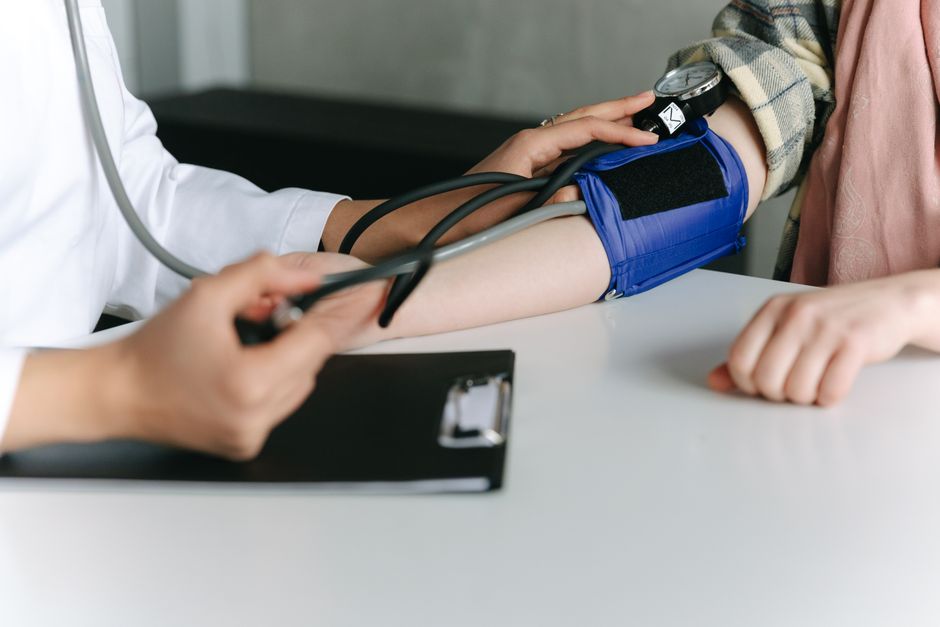
High blood pressure and high blood sugar often travel together. They share many of the same root causes, including excess weight, poor diet, and lack of physical activity. The good news is that the same lifestyle changes can improve both conditions at the same time. Losing weight, eating a balanced diet, and moving more are the most effective first steps for lowering both blood pressure and blood sugar.
How To Lower High Blood Pressure And Blood Sugar Through Diet
What you eat directly affects both numbers. A diet that works for one condition generally works for the other. The most consistent research points to a few clear patterns rather than any single miracle food.
Cut back on ultra-processed foods. These products are typically high in sodium, added sugar, and refined grains. They raise blood pressure through salt and raise blood sugar through fast-digesting carbohydrates. Replacing them with whole foods is the single most effective dietary change.
Increase vegetables, fruits, legumes, and whole grains. These foods provide potassium and magnesium, which help blood vessels relax. They also contain fiber, which slows sugar absorption into the bloodstream.
Pay attention to sodium. Most adults consume far more salt than their bodies need. The general dietary guidance for lowering blood pressure is to keep sodium intake below 2,300 milligrams per day. Many people with high blood pressure benefit from aiming lower, around 1,500 milligrams, but that level requires careful food selection and is not necessary for everyone.
Watch carbohydrates if blood sugar is your main concern. You do not need to eliminate carbs entirely. Instead, focus on portion sizes and choose carbohydrates that come with fiber intact, such as oats, beans, and whole fruit.
Why Weight Loss Is The Most Powerful Tool
Excess body fat is a direct driver of both high blood pressure and high blood sugar. Fat tissue is not inert. It releases inflammatory substances that make blood vessels stiffer and interfere with insulin signaling.
Weight loss of even 5 to 10 percent of body weight produces measurable improvements in both conditions. For a 200-pound person, that means losing 10 to 20 pounds. This degree of weight loss often allows people to reduce their medication doses under medical supervision.
How you lose the weight matters less than the fact that you lose it. Some people respond well to low-carbohydrate diets. Others prefer Mediterranean-style eating or simply tracking calories. The best diet is the one you can sustain for years, not weeks.
If weight loss feels overwhelming, focus on one small change at a time. Replacing sugary drinks with water is a simple start. Cutting out late-night snacking is another. Small consistent changes compound over months.
Physical Activity Lowers Both Numbers Immediately
Exercise has an immediate effect on blood sugar. A single session of moderate activity makes your muscles more sensitive to insulin for up to 24 hours afterward. This means your cells pull sugar out of your bloodstream more efficiently during and after exercise.
Blood pressure also drops after exercise. This effect can last for several hours and sometimes up to a full day. Regular aerobic exercise — walking, cycling, swimming — trains your blood vessels to dilate more easily over time.
Aim for at least 150 minutes of moderate-intensity aerobic activity per week. That breaks down to about 30 minutes on most days. Brisk walking counts if your heart rate rises and you breathe noticeably harder.
Strength training matters too. Muscle tissue burns more glucose than fat tissue, even at rest. Two sessions of resistance training per week, using weights or bodyweight exercises, supports long-term blood sugar control.
If you are new to exercise or have existing health conditions, check with your doctor first. Start slowly and build up gradually. Consistency matters far more than intensity.


Sleep And Stress: The Overlooked Factors
Poor sleep raises both blood pressure and blood sugar. When you are sleep-deprived, your body produces more cortisol and adrenaline. These stress hormones raise blood pressure and prompt your liver to release glucose into your bloodstream.
Sleep apnea is a common but frequently missed cause of resistant hypertension and poor glucose control. If you snore heavily or wake up gasping, ask your doctor about a sleep study. Treating sleep apnea with continuous positive airway pressure, or CPAP, can produce dramatic improvements in both conditions.
Chronic stress keeps blood pressure elevated throughout the day. Stress also drives up cortisol levels, which directly raise blood sugar. The body cannot tell the difference between a real threat and a constant stream of emails, traffic, and financial worry.
You do not need to meditate for an hour daily to see benefits. Even ten minutes of deep breathing or a short walk outside can interrupt the stress cycle. The key is consistency rather than intensity.
How To Lower High Blood Pressure And Blood Sugar With Medication
Lifestyle changes are powerful, but they are not always enough. Many people need medication to bring their numbers into a safe range. This is not a personal failure. High blood pressure and high blood sugar have strong genetic components that lifestyle alone cannot always overcome.
Blood pressure medications work through different mechanisms. Some relax blood vessels directly. Others reduce blood volume by increasing urine output. Some slow the heart rate. Your doctor will choose based on your age, other health conditions, and how high your blood pressure is.
Blood sugar medications also vary. Metformin is the most commonly prescribed first-line medication for type 2 diabetes. It reduces glucose production in the liver and improves insulin sensitivity. Other medications work by increasing insulin release or reducing sugar absorption from the gut.
If your doctor prescribes medication, take it as directed. Do not stop or adjust your dose without medical guidance. Some people experience side effects, but many options exist. Tell your doctor if a medication does not agree with you rather than quietly stopping it.
Medication and lifestyle changes work best together. Some people eventually reduce their medication needs after sustained weight loss and improved diet. Never make that decision on your own. Only your doctor can safely adjust your prescriptions.
Monitoring Your Progress At Home
Home monitoring gives you real-time feedback on what works for your body. A home blood pressure cuff costs less than fifty dollars at most pharmacies. Home glucose monitors are similarly affordable.
Check your blood pressure at the same time each day. Sit quietly for five minutes first. Do not drink caffeine or exercise in the thirty minutes before measuring. Take two readings one minute apart and record both.
Blood sugar readings depend on when you test. Fasting readings in the morning show your baseline. Readings two hours after meals show how well your body handles the food you ate. This information helps you identify which meals spike your glucose most.
Keep a simple log. You do not need a fancy app. A notebook works fine. Bring this log to your medical appointments. It gives your doctor concrete data to adjust your treatment plan rather than guessing based on occasional office readings.
What To Avoid: Popular Claims Without Evidence
Many products promise dramatic reductions in blood pressure and blood sugar. Be skeptical of anything that sounds too good to be true.
Apple cider vinegar does not cure diabetes or hypertension. Some small studies suggest it may produce modest improvements in blood sugar after meals, but the effect is minor and inconsistent. It does nothing meaningful for blood pressure.
Supplements claiming to “cleanse” your arteries or “reset” your metabolism have no clinical evidence behind them. Your body does not need cleansing. It needs consistent healthy habits and, when necessary, appropriate medication.
Certain supplements do have genuine evidence for blood pressure support. Potassium, magnesium, and hibiscus tea have all shown modest blood pressure-lowering effects in studies. However, supplements cannot replace the effects of diet changes and weight loss, and high doses of some minerals can be dangerous for people with kidney disease.
If you choose to try a supplement, tell your doctor. Some supplements interact with blood pressure and diabetes medications in dangerous ways.
When To Seek Immediate Medical Care
Not all blood pressure and blood sugar situations can be managed at home. Certain numbers require urgent medical attention.
A blood pressure reading of 180/120 or higher is a hypertensive crisis. If you have this reading and also experience chest pain, shortness of breath, vision changes, or weakness on one side of your body, call emergency services immediately. If the reading is high but you feel fine, contact your doctor the same day.
Blood sugar above 240 milligrams per deciliter can lead to a dangerous condition called diabetic ketoacidosis in people with type 1 diabetes. In type 2 diabetes, very high blood sugar can cause a condition called hyperosmolar hyperglycemic state. Both require medical treatment. If your blood sugar stays above 300 despite taking your medication, seek medical advice promptly.
Knowing your numbers matters. But knowing when to get help matters even more.
Frequently Asked Questions
What is the fastest way to lower blood pressure and blood sugar?
Exercise lowers both immediately — one session improves insulin sensitivity for up to 24 hours and drops blood pressure for several hours afterward. For sustained improvement, combine regular activity with weight loss and diet changes.
Can drinking water lower blood pressure and blood sugar?
Water helps with blood sugar by supporting kidney function, which flushes excess glucose through urine. It does not directly lower blood pressure, but dehydration can raise blood pressure, so staying hydrated is still important.
How long does it take for lifestyle changes to lower blood pressure and blood sugar?
Blood sugar improvements can appear within days of dietary changes, while blood pressure improvements typically take two to four weeks of consistent lifestyle changes. Meaningful weight loss effects usually appear within two to three months.
Is it safe to stop blood pressure or diabetes medication once numbers improve?
Never stop these medications on your own — doing so can cause dangerous spikes in blood pressure or blood sugar. Only your doctor can safely reduce or stop medication after reviewing your home monitoring data.
