
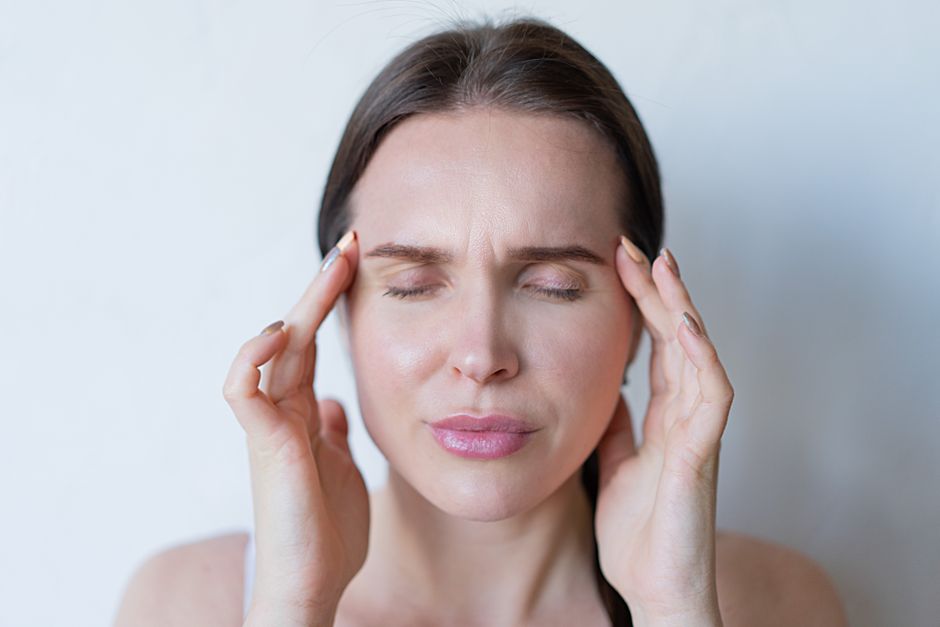
Temporary high blood pressure is a reading that spikes above normal levels and then returns to baseline, often within minutes or hours. The cause is a surge in your body’s stress response, which narrows blood vessels and makes your heart pump harder. This can happen to anyone, even people with a lifetime of normal readings, and it is usually triggered by a specific situation rather than underlying disease.
What Causes Temporary High Blood Pressure?
The immediate cause is your sympathetic nervous system firing. This is the “fight or flight” system. When your brain perceives a stressor, it signals your adrenal glands to release hormones like adrenaline and cortisol. These hormones make your heart beat faster and your blood vessels constrict, which raises pressure to deliver more blood to your muscles.
This response is normal and protective in real danger. The problem is that modern life triggers it constantly. A ringing phone, a heated argument, or rushing to a meeting can all set it off. In most cases, the pressure returns to normal once the stressor passes and your body’s parasympathetic system takes over.
White Coat Hypertension: The Doctor’s Office Effect
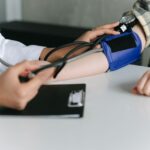
One of the most common causes of a temporary spike is simply being in a medical setting. White coat hypertension is a documented phenomenon where blood pressure rises during a clinical visit but is normal at home. Some research suggests this affects up to 30 percent of people with elevated readings in a doctor’s office.
This is not imaginary. Your body reacts to the anxiety of having your blood pressure taken. The anticipation of the cuff tightening can raise your reading by 10 to 20 points. Doctors and nurses often account for this by rechecking your pressure later in the visit or asking you to monitor at home.
Physical Exertion and Immediate Exercise Effects
Exercise is a direct and predictable cause of temporary high blood pressure. During moderate to vigorous activity, your systolic pressure — the top number — can rise to 180 or even 200 mmHg. This is expected and not dangerous in healthy people.
What matters is recovery time. Blood pressure should drop within minutes after you stop exercising. If it stays elevated long after you cool down, that may point to a problem. Weightlifting, in particular, causes sharp spikes because holding your breath and straining raises pressure dramatically. This is why proper breathing technique during lifts is emphasized in training programs.

Stress, Anxiety, and Panic Episodes
Psychological stress is the most common everyday trigger. Acute anxiety causes the same hormonal surge as physical danger. Your body cannot always tell the difference between a real threat and a stressful email.
Panic attacks can produce particularly dramatic spikes. During a panic episode, heart rate and blood pressure can rise sharply for several minutes. The fear of the symptoms themselves can prolong the episode. Once the panic resolves, blood pressure typically normalizes. Chronic anxiety is different — it keeps the stress response partially active for long periods, which can lead to persistently higher readings rather than temporary spikes.
Food, Caffeine, and Alcohol Triggers
What you consume can cause short-term changes in blood pressure. Caffeine is a stimulant that can raise blood pressure by 10 mmHg or more in people who are not regular users. Regular coffee drinkers often build tolerance, but a sudden large dose can still cause a spike.
Alcohol has a two-phase effect. It can lower blood pressure initially, but as the body processes it, pressure can rise. Binge drinking is associated with significant temporary increases. Certain foods high in sodium, like a fast-food meal, can cause fluid retention that raises pressure for several hours afterward.
Medications and Substances That Cause Spikes
Several common medications can raise blood pressure temporarily. These include:
- Nonsteroidal anti-inflammatory drugs (NSAIDs) like ibuprofen, which can raise pressure by several points
- Decongestants found in cold medicines, which constrict blood vessels
- Birth control pills, which can cause small increases in some women
- Stimulants like ADHD medications, which activate the sympathetic nervous system
- Herbal supplements, particularly those containing licorice root or ginseng
Recreational drugs, including cocaine and methamphetamine, cause severe and dangerous blood pressure spikes. These substances directly stimulate the cardiovascular system and can lead to emergency situations. If you take any regular medication and notice blood pressure changes, review your full medication list with your doctor.
Pain, Illness, and Other Physical Stressors
Pain is a powerful trigger for temporary hypertension. Acute pain, such as a kidney stone or a broken bone, activates the stress response intensely. This is why blood pressure readings are often elevated in emergency rooms — the patients are in pain and under stress.
Illness can also raise blood pressure. A fever increases your metabolic rate and heart rate. Dehydration reduces blood volume, and your body compensates by constricting blood vessels to maintain pressure. Even a full bladder can raise your reading temporarily, which is why you are asked to empty your bladder before a measurement.
How to Know If Your Spike Is Dangerous
A single high reading is rarely an emergency. The danger comes when blood pressure stays high for extended periods, damaging your arteries, heart, and kidneys over years. A temporary spike that resolves is not the same as chronic hypertension.
However, certain symptoms alongside a high reading warrant immediate medical attention. These include chest pain, shortness of breath, severe headache, vision changes, numbness, or weakness. A reading of 180/120 mmHg or higher with any of these symptoms is a hypertensive emergency. Without symptoms, a very high reading still needs prompt medical evaluation, but time is less critical.
What to Do About Frequent Temporary Spikes
If you notice frequent spikes, the first step is to identify the pattern. Keep a log of your readings with notes about what you were doing, feeling, or consuming at the time. This information helps your doctor distinguish between true temporary spikes and early chronic hypertension.
Home monitoring is valuable here. A validated home cuff can give you readings in your normal environment, away from the doctor’s office. For accurate measurements, sit quietly for five minutes before taking a reading, keep your feet flat on the floor, and place the cuff on a bare arm at heart level.
Lifestyle changes are the core of prevention. Regular aerobic exercise lowers resting blood pressure over time. Reducing caffeine intake, especially if you are sensitive to it, can prevent spikes. Managing stress through breathing exercises, adequate sleep, and limiting alcohol has a measurable effect on how often your pressure spikes.
Frequently Asked Questions
Can anxiety cause high blood pressure spikes?
Yes, anxiety triggers the stress response, which raises blood pressure during the anxious episode. Once the anxiety passes, blood pressure typically returns to normal.
How long does a blood pressure spike last?
Most temporary spikes from stress or exertion resolve within minutes to a few hours. If blood pressure stays elevated for days, it is no longer temporary and requires medical evaluation.
Is a blood pressure spike of 180/120 dangerous?
A reading of 180/120 or higher is considered a hypertensive crisis and needs prompt medical attention. If you have chest pain, shortness of breath, or neurological symptoms with this reading, seek emergency care immediately.
Can drinking water lower blood pressure quickly?
Water does not directly lower blood pressure, but dehydration can raise it. Rehydrating helps your body maintain normal blood volume, which supports healthy pressure regulation.
