
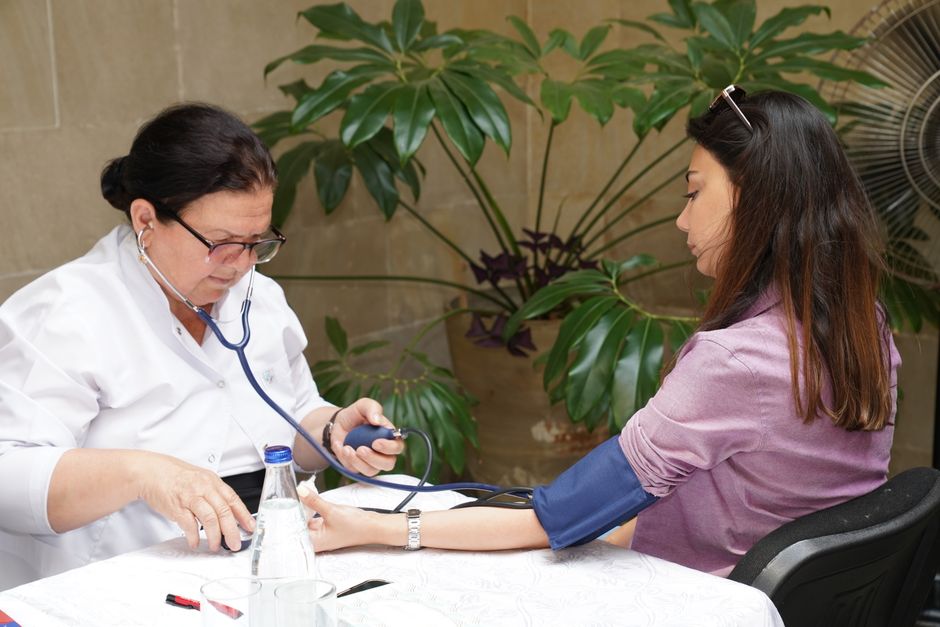
Low blood pressure—medically called hypotension—is often misunderstood as the opposite of high blood pressure. While high pressure gets most of the attention, low pressure can be just as disruptive. The main reason people get low blood pressure is that the heart is not pumping enough blood to meet the body’s needs, or the blood vessels are too relaxed to maintain adequate pressure. This can happen for many specific reasons, from dehydration to medication side effects to underlying health conditions. Understanding the exact cause is the first step to knowing whether it is a temporary issue or something that needs medical attention.
What Is Considered Low Blood Pressure and Why Does It Matter?
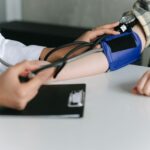
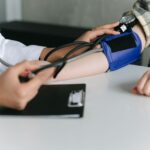
Blood pressure is measured with two numbers. The top number is systolic pressure, which is the force when the heart beats. The bottom number is diastolic pressure, the force when the heart rests between beats. A normal reading is usually around 120/80 mm Hg.
Most doctors consider blood pressure low when it drops below 90/60 mm Hg. But the number alone does not tell the whole story. Some people naturally run low and feel fine. For them, 85/55 is normal. The problem arises when low pressure causes symptoms like dizziness, fainting, blurred vision, nausea, or fatigue.
When blood pressure drops too much, organs do not get enough oxygen-rich blood. This can lead to shock in severe cases. The American Heart Association notes that a sudden drop of just 20 mm Hg—from 120 to 100 systolic, for example—can cause problems even if the final number is not technically low.
Why Do People Get Low Blood Pressure Causes: Dehydration and Blood Volume
Dehydration is one of the most common causes of low blood pressure. When your body loses more water than it takes in, blood volume decreases. Less blood in the veins means less pressure against the vessel walls.
Even mild dehydration can trigger a drop. You lose water through sweating, urination, and even breathing. Hot weather, exercise, fever, vomiting, and diarrhea all speed up water loss. Research published in the Journal of the American College of Cardiology found that dehydration is a leading trigger for fainting episodes in otherwise healthy adults.
Blood loss from injury or internal bleeding also reduces blood volume. This is more serious and requires immediate medical care. Anemia, where the body does not produce enough red blood cells, can also contribute to lower pressure because the blood carries less oxygen.
Medications That Lower Blood Pressure as a Side Effect
Many prescription and over-the-counter drugs list low blood pressure as a possible side effect. This is especially true for medications designed to treat high blood pressure, heart conditions, and depression.
Common culprits include:
- Diuretics, which remove excess fluid from the body and reduce blood volume
- Beta-blockers, which slow the heart rate
- Alpha-blockers, which relax blood vessel walls
- Antidepressants, particularly tricyclic antidepressants and MAO inhibitors
- Erectile dysfunction medications, especially when combined with nitrates
If you start a new medication and notice dizziness or lightheadedness, talk to your doctor. Do not stop taking the drug on your own. Sometimes a dosage adjustment or switching to a different medication solves the problem. The FDA reports that medication-induced hypotension is one of the most common adverse drug events in older adults.
Underlying Health Conditions That Cause Chronic Low Blood Pressure
Several medical conditions can cause long-term low blood pressure. These are not always obvious and may require testing to diagnose.
Diabetes can damage the autonomic nerves that help regulate blood pressure. This is called autonomic neuropathy. When these nerves do not work properly, the body cannot adjust blood pressure quickly when you stand up or change position.
Parkinson’s disease also affects the autonomic nervous system. Studies show that up to 60 percent of people with Parkinson’s experience drops in blood pressure upon standing.
Heart conditions like bradycardia (slow heart rate), heart valve problems, heart attack, and heart failure can all reduce the heart’s ability to pump enough blood. The heart may beat too slowly, or it may not contract with enough force.
Endocrine disorders such as Addison’s disease, hypothyroidism, and parathyroid disease can disrupt the hormones that control blood pressure. Addison’s disease, in particular, causes the adrenal glands to produce too little cortisol and aldosterone, which leads to low sodium levels and low blood volume.
Pregnancy is a temporary cause. Blood pressure often drops during the first 24 weeks because the circulatory system expands. This usually returns to normal after delivery.
Postural Hypotension: Why Standing Up Can Make You Dizzy
Postural hypotension, also called orthostatic hypotension, happens when blood pressure drops sharply after standing up from sitting or lying down. It is one of the most common forms of low blood pressure, especially in older adults.
Normally, when you stand, gravity pulls blood into your legs. Your nervous system quickly responds by constricting blood vessels and raising your heart rate to push blood back up. In people with postural hypotension, this reflex is delayed or weak.
Research published in Hypertension found that orthostatic hypotension affects about 20 percent of adults over 65. The risk increases with age, prolonged bed rest, and conditions like diabetes or Parkinson’s.
Symptoms usually appear within a few seconds to a few minutes of standing. They include lightheadedness, blurry vision, weakness, and sometimes fainting. The condition can be diagnosed with a simple test where blood pressure is measured lying down, then again after standing for one and three minutes.
Comparison Table: Common Causes of Low Blood Pressure
| Cause | How It Lowers Pressure | Common Triggers |
|---|---|---|
| Dehydration | Reduces blood volume | Sweating, vomiting, diarrhea, fever |
| Medications | Slows heart rate or relaxes vessels | Diuretics, beta-blockers, antidepressants |
| Heart conditions | Weakens pumping ability | Heart attack, bradycardia, valve disease |
| Nerve disorders | Disrupts pressure regulation | Diabetes, Parkinson’s, spinal cord injury |
| Endocrine issues | Alters hormone balance | Addison’s, hypothyroidism |
| Pregnancy | Expands circulatory system | First 24 weeks of pregnancy |
What to Do If You Have Low Blood Pressure Symptoms
If you experience occasional dizziness when standing up, try standing more slowly. Sit on the edge of the bed for a minute before getting up. This gives your body time to adjust.
Increase your fluid intake if dehydration is the likely cause. Water is best. Some people benefit from adding a bit more salt to their diet, but only do this after checking with your doctor. Too much salt can raise blood pressure too high in some people.
Compression stockings can help. They squeeze the legs and push blood upward, reducing the drop in pressure when you stand. These are the same stockings used for varicose veins and are available over the counter.
Eat smaller, more frequent meals. Large meals divert blood to the digestive system, which can cause a drop in blood pressure afterward. This is called postprandial hypotension and is more common in older adults and people with nervous system disorders.
If symptoms are frequent, severe, or include fainting, see a doctor. They can check your blood pressure in different positions, run blood tests, and review your medications. In some cases, they may prescribe fludrocortisone or midodrine, which are medications that raise blood pressure.
Common Misconceptions About Low Blood Pressure
One widespread myth is that low blood pressure is always healthy. This is not true. While low numbers can be a sign of good cardiovascular fitness in athletes, the same numbers in someone else could indicate a serious problem. The key difference is symptoms.
Another misconception is that drinking coffee will fix low blood pressure. Caffeine can cause a temporary rise in blood pressure, but the effect is small and short-lived. For people who drink caffeine regularly, the effect may disappear entirely. Relying on caffeine as a treatment is not evidence-based.
Some people believe that low blood pressure only affects older adults. While it is more common with age, younger people can experience it too. Dehydration, medication side effects, and conditions like vasovagal syncope can cause fainting episodes in teenagers and young adults.
There is also a belief that you should always treat low blood pressure. This is wrong. If you have no symptoms and your blood pressure runs low naturally, treatment is not needed. In fact, treating it could cause harm by raising pressure too high. The CDC states that there is no specific number that defines unhealthy low blood pressure—symptoms matter more than the number.
Frequently Asked Questions
Can low blood pressure cause a heart attack?
Low blood pressure does not cause heart attacks, but a sudden drop can be a sign of one. Severe hypotension can reduce blood flow to the heart and other organs, which is dangerous.
Is low blood pressure more dangerous than high blood pressure?
Both can be dangerous in different ways. High blood pressure causes long-term damage to arteries, while low blood pressure can cause fainting and shock in the short term.
How much water should I drink for low blood pressure?
General guidelines suggest 8 to 10 cups of fluid per day, but needs vary. If dehydration is causing your low pressure, drinking more water throughout the day can help.
Can low blood pressure be cured permanently?
It depends on the cause. Dehydration and medication side effects can be reversed. Chronic conditions like diabetes or Parkinson’s require ongoing management rather than a cure.
