
Your body is constantly breaking down and rebuilding muscle protein. This process is called protein turnover. Muscle protein breakdown happens when the rate of breakdown exceeds the rate of synthesis. The main causes include inadequate protein intake, prolonged calorie restriction, lack of physical activity, and certain medical conditions. Your body essentially starts using its own muscle tissue for fuel when it does not get enough from food or when it is under stress.
What Actually Triggers Muscle Protein Breakdown?
Several everyday factors can push your body into a state where it breaks down more muscle than it builds. The most common trigger is not eating enough protein. Your muscles need a steady supply of amino acids to repair and maintain themselves. When you skip meals or eat a low-protein diet, your body pulls amino acids from your muscle tissue.
Calorie restriction is another major cause. If you eat far fewer calories than your body needs, it will turn to muscle for energy. This is why crash diets often lead to muscle loss along with fat loss. Your body does not discriminate between fuel sources when it is desperate for energy.
Lack of use also signals your body to break down muscle. If you stop using a muscle group, your body assumes you no longer need that mass. This is why bed rest or a sedentary lifestyle leads to noticeable muscle wasting within just a few weeks. Studies have found that even short periods of inactivity can accelerate muscle protein breakdown significantly.
Does Exercise Speed Up or Slow Down Muscle Breakdown?
This depends entirely on the type and intensity of exercise. Resistance training like lifting weights actually stimulates muscle protein synthesis. It sends a signal to your body to build more muscle. However, the act of exercising itself temporarily increases protein breakdown. The net effect over 24 to 48 hours is positive if you eat enough protein afterward.
Endurance exercise tells a different story. Long-duration cardio like running or cycling for over an hour can increase muscle protein breakdown significantly. Your body starts breaking down muscle for fuel when glycogen stores run low. This is why marathon runners and endurance athletes need to pay special attention to protein timing and intake.
The key factor is intensity and duration. A 30-minute jog will not cause noticeable muscle breakdown. A two-hour run on an empty stomach might. Current research suggests that combining resistance training with adequate protein intake is the most effective way to keep muscle breakdown low while still getting the benefits of exercise.
How Does Aging Affect Muscle Protein Breakdown?
Aging changes how your body handles protein. After about age 30, most people lose 3 to 8 percent of their muscle mass per decade. This process accelerates after age 60. The condition is called sarcopenia, and it is not just about looking weaker. It affects balance, metabolism, and overall health.
Older adults experience something called anabolic resistance. This means their muscles do not respond as strongly to protein intake as younger muscles do. A young person might need 20 grams of protein after a workout to stimulate muscle building. An older person might need 40 grams to get the same effect.
Inflammation also plays a role. Chronic low-grade inflammation increases with age and promotes muscle protein breakdown. This is why staying active and eating an anti-inflammatory diet becomes more important as you get older. Research shows that resistance training combined with higher protein intake can slow or even reverse some age-related muscle loss.




What Role Do Hormones Play in Muscle Breakdown?
Several hormones directly influence whether your body builds or breaks down muscle. Cortisol, the stress hormone, promotes muscle breakdown. When you are under chronic stress, your cortisol levels stay elevated. This signals your body to break down muscle tissue for amino acids that can be used for energy or repair elsewhere.
Insulin is a muscle-protective hormone. It helps shuttle amino acids into muscle cells and inhibits protein breakdown. Low insulin levels, which happen during fasting or in uncontrolled diabetes, can increase muscle breakdown. This is one reason why blood sugar control matters for muscle health.
Testosterone and growth hormone both promote muscle building and reduce breakdown. Levels of these hormones naturally decline with age. Some studies suggest that maintaining healthy hormone levels through lifestyle factors like sleep, exercise, and stress management can help keep muscle breakdown in check.
Thyroid hormones also matter. An overactive thyroid speeds up your entire metabolism, including protein breakdown. This can lead to muscle wasting if the increased breakdown is not matched with enough protein intake.
What Medical Conditions Increase Muscle Breakdown?
Several illnesses and conditions directly cause muscle protein breakdown. Cancer cachexia is one of the most serious. It is a condition where the body breaks down muscle at an alarming rate, often regardless of how much the person eats. This is driven by inflammatory chemicals released by tumors.
Chronic kidney disease also increases muscle breakdown. The kidneys play a role in filtering waste products from protein metabolism. When they do not work well, metabolic acidosis can develop. This acidic environment directly stimulates muscle protein breakdown. Patients with advanced kidney disease often require specialized diets to preserve muscle.
Sepsis and severe infections trigger a massive inflammatory response that breaks down muscle rapidly. The body prioritizes immune function over muscle preservation during these events. Recovery from such illnesses often requires aggressive nutritional support to rebuild lost tissue.
Autoimmune conditions like rheumatoid arthritis involve chronic inflammation that promotes muscle breakdown. The inflammatory cytokines that drive joint damage also affect muscle tissue. Managing the underlying inflammation is key to preserving muscle in these conditions.
What Actually Works to Prevent Muscle Protein Breakdown?
The evidence is clear on several strategies that help keep muscle breakdown in check. Eating enough protein is the most important single factor. Current research suggests adults need at least 0.8 grams of protein per kilogram of body weight per day just to maintain muscle. For active people or older adults, 1.2 to 2.0 grams per kilogram is often recommended.
Protein timing matters too. Spreading protein intake across all meals is more effective than eating most of it at dinner. Your body can only use so much protein at once for muscle building. Aim for 20 to 40 grams of protein at each meal depending on your age and activity level.
Resistance training is the most effective exercise for preventing muscle breakdown. Two to three sessions per week targeting all major muscle groups is enough for most people. The stimulus of lifting weights tells your body to keep that muscle tissue.
Sleep is often overlooked but essential. Growth hormone is primarily released during deep sleep. Chronic sleep deprivation raises cortisol and lowers growth hormone, both of which promote muscle breakdown. Seven to nine hours of quality sleep per night is the target.
Managing stress matters more than most people realize. Chronic stress keeps cortisol elevated, which directly promotes muscle breakdown. Even simple stress management techniques like walking, deep breathing, or adequate downtime can help keep cortisol in check.
| Factor | Effect on Muscle Breakdown | What to Do |
|---|---|---|
| Low protein intake | Increases breakdown | Eat 20-40g protein per meal |
| Calorie restriction | Increases breakdown | Avoid very low-calorie diets |
| Sedentary lifestyle | Increases breakdown | Do resistance training 2-3x/week |
| Chronic stress | Increases breakdown | Prioritize stress management |
| Poor sleep | Increases breakdown | Aim for 7-9 hours per night |
| Resistance training | Decreases net breakdown | Lift weights consistently |
- Eat protein within two hours after exercise to maximize muscle repair
- Include leucine-rich foods like eggs, dairy, or soy in meals to stimulate muscle building
- Avoid prolonged fasting periods of more than 16 hours without medical supervision
- Stay hydrated because dehydration increases cortisol and muscle breakdown
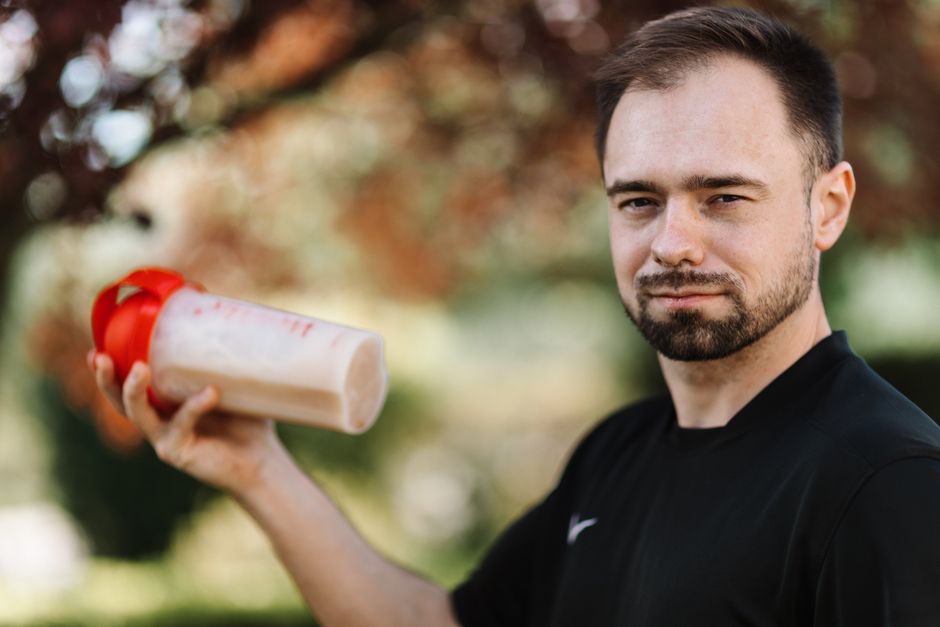
- Consider a protein supplement if you struggle to meet daily needs through food alone
Common Misconceptions About Muscle Protein Breakdown
Many people believe that eating extra protein automatically builds muscle. It does not. Your body can only use so much protein for muscle synthesis. Excess protein is simply converted to energy or stored as fat. More is not always better.
Another widespread myth is that cardio kills your gains. This is not entirely true. Moderate cardio does not cause significant muscle breakdown if you eat enough calories and protein. Only prolonged, intense cardio without adequate fuel starts to eat into muscle tissue.
Some people think muscle soreness means breakdown is happening. Soreness is a sign of muscle damage and repair, not necessarily net breakdown. You can be sore and still build muscle as long as you recover properly and eat enough protein.
The idea that you lose muscle overnight while sleeping is also false. Your body actually repairs and builds muscle during sleep. The breakdown that happens during the day is offset by the rebuilding that occurs at night, provided you ate enough protein earlier.
Frequently Asked Questions
Can you lose muscle in one day of not eating?
No, significant muscle loss takes days to weeks of inadequate intake. Your body has glycogen stores and fat reserves it uses first before breaking down significant muscle tissue.
Does drinking alcohol increase muscle breakdown?
Yes, alcohol interferes with muscle protein synthesis and increases cortisol levels. Heavy drinking can reduce your body’s ability to repair muscle after exercise.
How fast do you lose muscle when you stop working out?
Noticeable muscle loss typically begins after two to three weeks of complete inactivity. The rate of loss depends on your age, diet, and how much muscle you had to begin with.
Does intermittent fasting cause muscle breakdown?
Some studies suggest intermittent fasting does not cause more muscle loss than standard calorie restriction when protein intake is adequate. However, longer fasts over 24 hours may increase breakdown.
