
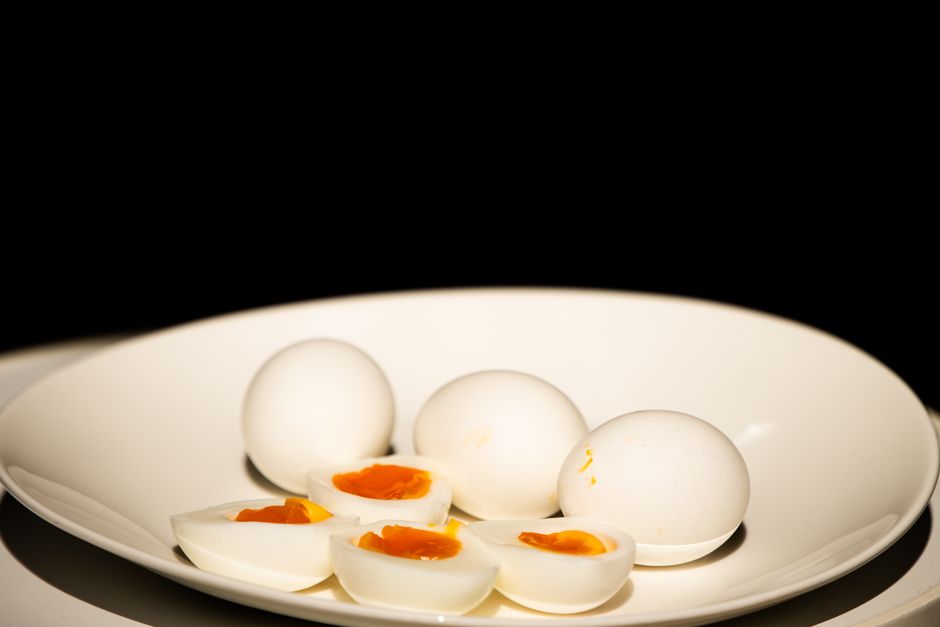
A single large hard boiled egg contains about 6.3 grams of protein. That is the simple answer. The more useful answer is how that fits into your daily needs and how it compares to other protein sources. Most people overestimate or underestimate this number by a lot. Let’s clear that up.
How Much Protein Is in a Hard Boiled Egg by Size?
Protein content changes with egg size. A large egg is the standard most recipes and nutrition labels use. But not everyone buys large eggs. Here is what the numbers actually look like based on USDA data.
A small egg (about 38 grams) has roughly 4.8 grams of protein. A medium egg (44 grams) has about 5.5 grams. A large egg (50 grams) gives you 6.3 grams. An extra-large egg (56 grams) contains around 7 grams. A jumbo egg (63 grams) can have nearly 8 grams of protein.
The yolk and the white both contain protein. Many people think all the protein is in the white. That is not true. The white has about 3.6 grams. The yolk has about 2.7 grams. If you eat only egg whites you lose almost half the protein. You also lose most of the vitamins and healthy fats.
| Egg Size | Total Weight | Total Protein |
|---|---|---|
| Small | 38 g | 4.8 g |
| Medium | 44 g | 5.5 g |
| Large | 50 g | 6.3 g |
| Extra-Large | 56 g | 7.0 g |
| Jumbo | 63 g | 7.9 g |
If you are tracking protein precisely, weigh the egg before boiling. The protein content scales with weight. A 60-gram egg will have more protein than a 50-gram egg. The numbers above are averages. Individual eggs vary slightly.
How Does Egg Protein Compare to Other Foods?
Eggs are often called a “complete protein.” That means they contain all nine essential amino acids your body cannot make on its own. Many plant proteins lack one or more of these. Eggs do not have that problem.
One large hard boiled egg has about the same protein as one ounce of chicken breast or one ounce of beef. It has slightly less protein per gram than lean meats. But eggs are more convenient for many people. You can boil a dozen at once and eat them all week.
Compared to plant sources, eggs are protein-dense. One large egg has more protein than a quarter cup of cooked quinoa or half a cup of cooked oatmeal. It has about the same protein as two tablespoons of peanut butter but with fewer calories and no added sugar.
Current research suggests that the protein in eggs is highly digestible. Your body can use about 91 percent of the protein in cooked eggs. Some plant proteins have digestibility scores below 80 percent. That means you absorb more of the protein from an egg than from many plant sources even if the total grams look similar on paper.
Does Cooking Method Change the Protein Content?
Boiling does not change how much protein is in the egg. The protein molecules may unwind slightly from the heat, but the total grams stay the same. A hard boiled egg has the same protein as a poached egg or a fried egg of the same size.
What changes is what else you eat with it. A hard boiled egg has no added fat from cooking oil. A fried egg might absorb some oil. That does not affect the protein but it does change the calorie count. If you are eating eggs for protein without wanting extra calories, hard boiled is a smart choice.
The only way to lose protein from an egg is to not eat part of it. If you throw away the yolk you lose about 2.7 grams of protein. Some people do this because of outdated fears about dietary cholesterol. Current evidence shows that dietary cholesterol from eggs does not raise blood cholesterol for most people. You are better off eating the whole egg.




How Many Eggs Should You Eat for Protein?
This depends on your body weight and activity level. The Recommended Dietary Allowance for protein is 0.8 grams per kilogram of body weight. That is the minimum to prevent deficiency. Many experts think active adults need more, around 1.2 to 2.0 grams per kilogram.
A person weighing 150 pounds (68 kilograms) needs at least 54 grams of protein per day at the minimum. Two large hard boiled eggs provide about 12.6 grams, or roughly 23 percent of that minimum. That is a meaningful contribution but not enough on its own.
Three eggs give you about 19 grams of protein. Four eggs give you about 25 grams. Most people should not rely on eggs alone for all their protein. Variety matters. Different protein sources provide different amino acid profiles and micronutrients.
Some people report eating six or eight eggs per day. As of 2026, there is no strong evidence that this is harmful for healthy people. But it is also not necessary. You can get adequate protein from two to four eggs plus other foods like meat, fish, dairy, beans, or tofu.
Common Misconceptions About Egg Protein
One widespread myth is that raw eggs have more protein than cooked eggs. This is false. Cooking eggs actually makes the protein more digestible. Your body can use more of the protein from a cooked egg than a raw one. Raw eggs also carry a small risk of salmonella infection.
Another myth is that brown eggs have more protein than white eggs. Shell color is determined by the breed of hen. It has no relationship to the protein content. A large brown egg and a large white egg from the same size category have essentially identical protein.
Some people believe that egg protein is “incomplete” without eating the white. As explained earlier, the yolk also contains protein. The whole egg is a complete protein source. You do not need to combine it with anything to get all essential amino acids.
A third misconception is that egg protein is inferior to whey protein powder. Whey is absorbed faster, but that does not make it better. Egg protein is absorbed at a moderate rate and provides sustained amino acid release. Both are excellent sources. Whole eggs also provide vitamins, minerals, and healthy fats that protein powder does not.
This is widely claimed though strong evidence is limited: that eating only egg whites is better for building muscle. Some bodybuilders do this to reduce fat intake. But the protein loss from skipping the yolk is significant. If you are trying to build muscle, eating the whole egg gives you more total protein and more nutrients that support muscle growth.
Practical Tips for Getting the Most Protein From Hard Boiled Eggs
Boil eggs in batches to save time. Place eggs in a single layer in a pot. Cover with cold water by one inch. Bring to a boil. Turn off the heat, cover, and let sit for 10 to 12 minutes. Transfer to ice water. Peeled eggs keep in the refrigerator for up to a week.
Eat the whole egg. As noted, the yolk contains nearly half the protein. It also contains choline, vitamin D, and lutein. These nutrients support brain health, bone health, and eye health respectively. Throwing away the yolk wastes protein and nutrition.
Pair eggs with other protein sources if you need more. Two hard boiled eggs and a cup of Greek yogurt give you about 25 grams of protein. Two eggs with three ounces of chicken breast give you about 30 grams. This is a practical way to hit higher protein targets without eating a dozen eggs.
Season simply. Salt and pepper are enough. Avoid heavy mayonnaise-based egg salads if you are watching calories. A simple sprinkle of paprika, cumin, or everything bagel seasoning adds flavor without extra fat or sugar.
If you are meal prepping, peel the eggs after boiling and store them in a container with a damp paper towel. This keeps them from drying out. Do not store unpeeled boiled eggs for more than a week. The shells become harder to remove over time.
Frequently Asked Questions
How much protein is in two hard boiled eggs?
Two large hard boiled eggs contain about 12.6 grams of protein total. This varies slightly depending on the actual size of the eggs.
Is the protein in egg yolk or white?
The white has about 3.6 grams of protein and the yolk has about 2.7 grams. Both parts contain significant protein.
Do hard boiled eggs have more protein than scrambled eggs?
No. Cooking method does not change the protein content. A hard boiled egg and a scrambled egg of the same size have the same amount of protein.
Can you eat too many hard boiled eggs for protein?
For most healthy people, eating up to three whole eggs per day is considered safe. Eating more than that is not harmful for most people but may not be necessary.
