
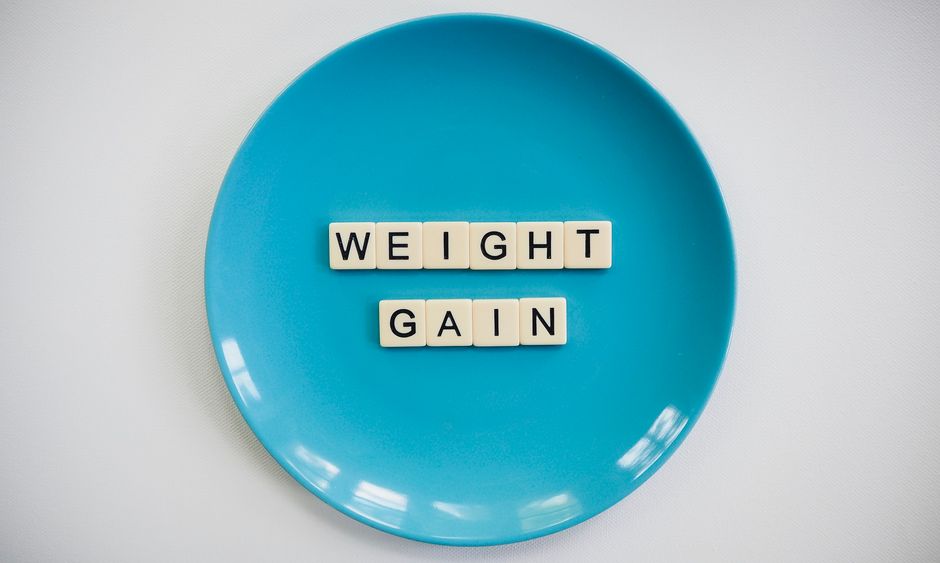
To gain weight, you need to eat more calories than your body burns. To ensure that weight is muscle rather than fat, you need enough protein and a consistent strength training routine. The key is a calorie surplus of about 300 to 500 extra calories per day combined with 1.6 to 2.2 grams of protein per kilogram of body weight.
How Many Extra Calories Do You Need to Gain Weight?
A calorie surplus means eating more energy than your body uses in a day. Without this surplus, weight gain cannot happen. The size of that surplus determines how fast you gain.
A common starting point is 300 to 500 extra calories per day. This leads to about 0.5 to 1 pound of weight gain per week. Gaining faster often adds more fat than muscle. Gaining slower is fine but progress may feel frustrating.
Your exact number depends on your age, sex, activity level, and metabolism. You can estimate your maintenance calories using online calculators, then add 300-500. Track your weight weekly and adjust if you are not gaining or gaining too fast.
How Much Protein Do You Need to Build Muscle?
Protein provides the building blocks your muscles need to repair and grow after exercise. Without enough protein, extra calories are more likely to be stored as fat.
Research consistently shows that 1.6 to 2.2 grams of protein per kilogram of body weight per day is effective for muscle gain. For a 150-pound (68 kg) person, that means about 109 to 150 grams of protein daily.
Spread your protein across three to four meals. Your body uses protein more efficiently when you consume it regularly. Good sources include chicken, fish, eggs, dairy, beans, lentils, tofu, and protein powders.
More than 2.2 g/kg does not appear to provide additional benefit for most people. Staying within this range is supported by strong evidence.
What Are the Best Foods for Gaining Weight and Muscle?
Choose nutrient-dense foods that provide calories plus vitamins and minerals. Relying on processed junk food can lead to fat gain and poor health.
Great options include:
- Whole eggs and egg whites
- Milk, Greek yogurt, cottage cheese
- Lean meats like chicken, turkey, beef
- Fatty fish like salmon and tuna
- Nuts, nut butters, seeds
- Avocados and olive oil
- Whole grains like oats, quinoa, brown rice
- Potatoes, sweet potatoes, beans
- Fruit like bananas, apples, dried fruit
Combine these into meals. For example, oatmeal with milk, peanut butter, and banana gives you carbs, protein, and healthy fat. A chicken and rice bowl with avocado and beans adds calories and protein.
Liquid calories can help. Smoothies with milk, yogurt, fruit, and protein powder are easy to digest and drink between meals.
Avoid the temptation to eat only high-sugar or fried foods. They may help you gain weight, but they lack the nutrients your body needs for health and performance.

What Type of Exercise Builds Muscle Most Effectively?
Resistance training is the most effective way to signal your body to build muscle. Without it, a calorie surplus will increase fat more than muscle.
Compound exercises work multiple muscle groups at once. They are efficient and stimulate the most growth. Key lifts include:
- Squats (bodyweight, goblet, or barbell)
- Deadlifts (conventional or Romanian)
- Bench press or push-ups
- Overhead press
- Rows and pull-ups
Train each muscle group two to three times per week. Use a weight that is challenging for 8-12 repetitions. Gradually increase the weight or reps over time — this is called progressive overload.
Consistency matters more than intensity. A simple full-body routine three days per week works well for most people. Rest and sleep are also essential for recovery and growth.
Cardio is fine but keep it moderate. Excessive cardio burns calories you need for weight gain. If you do cardio, choose low-impact options and keep sessions under 30 minutes.
How Fast Can You Expect to Gain Weight and Muscle?
Realistic weight gain is about 0.5 to 1 pound per week. Muscle growth is slower — about 0.25 to 0.5 pounds per week for most people, and even less for women and older adults.
Some weight gain in the first week may be water and glycogen, not true muscle. This is normal. After that, steady progress is the goal.
Your genetics, training experience, diet, and sleep all affect your rate of gain. Beginners often see faster gains. Advanced lifters gain much more slowly.
How To Gain Weight Calories Protein And Muscle?
Here is the practical plan. Eat a calorie surplus of 300-500 per day. Consume 1.6-2.2 grams of protein per kilogram of body weight. Do resistance training at least three times per week. Sleep seven to nine hours per night.
Track your food for the first few weeks to confirm you are hitting your targets. Use a food scale or measuring cups to be accurate. Adjust calories if your weight is not moving after two weeks.
Focus on whole foods first, then add liquid calories or snacks if needed. Do not skip meals. Eating five to six smaller meals can help if you struggle with appetite.
Be patient. Muscle gain takes months and years — not weeks. Consistency with diet and training will produce results over time.
Common Mistakes When Trying to Gain Weight
Many people think eating anything in high quantities will work. It will cause weight gain, but mostly fat. The mistake is ignoring protein and training.
Another common mistake is not eating enough. People overestimate how much they eat. Tracking calories for a week reveals the truth. If you are not gaining, you are not in a surplus.
Skipping meals or waiting too long between meals also limits intake. Set a schedule and stick to it.
Inconsistent training is another problem. You need to challenge your muscles regularly to trigger growth. Missed workouts slow progress.
Finally, poor sleep hurts recovery and hormone function. Aim for at least seven hours per night.
Frequently Asked Questions
How many calories should I eat to gain weight?
Start with 300 to 500 calories above your maintenance level each day. Adjust based on your weekly weight trend — if you are not gaining, increase by 200-300 more.
How much protein per day to build muscle?
Aim for 1.6 to 2.2 grams of protein per kilogram of body weight. For a 150-pound person, that is about 109 to 150 grams daily.
Can I gain weight without lifting weights?
Yes, but most of that weight will be fat. To build muscle, resistance training is necessary. Bodyweight exercises like push-ups and squats also work if you can progressively overload them.
What is the best diet for gaining weight?
A diet rich in whole foods with a calorie surplus, adequate protein, and a balance of carbohydrates and healthy fats. Include eggs, dairy, meats, grains, nuts, and fruits.
