
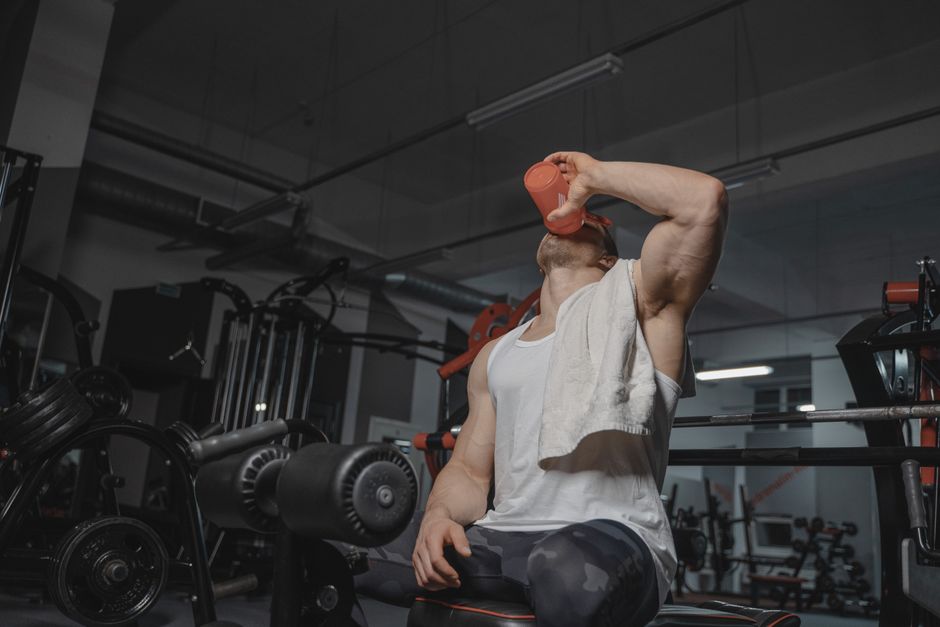
Building muscle comes down to two things: eating enough protein and eating enough total calories. Protein provides the building blocks. Carbohydrates and fats provide the energy your body needs to use that protein. Without enough of either, muscle growth stalls. The best foods for muscle are lean meats, eggs, dairy, beans, lentils, whole grains, nuts, and seeds. Eat these consistently and you give your body what it needs to repair and grow stronger.
How Much Protein Do You Really Need for Muscle Growth?
The number you see most often is 0.7 to 1 gram of protein per pound of body weight per day. That is the range supported by research published in the Journal of the International Society of Sports Nutrition. For a 180-pound person, that means 126 to 180 grams of protein daily.
Spreading protein across the day matters more than many people realize. Your body uses protein best in doses of 20 to 40 grams per meal. Eating 50 grams at dinner and nothing at breakfast is less effective than getting 30 grams at each meal plus a snack. The body cannot store extra amino acids like it stores fat. It uses what it needs and sends the rest to waste.
There is no strong evidence that eating more than 1 gram per pound gives extra benefit. Some bodybuilders eat much more, but the research does not show faster muscle gain beyond that range. More protein just means more calories and more work for your kidneys. Stick to the range that has real evidence behind it.
What Are the Best Protein Sources for Building Muscle?
Animal proteins are the most efficient. They contain all essential amino acids in the right ratios. Chicken breast, turkey, lean beef, eggs, milk, Greek yogurt, and whey protein all work well. A 3-ounce serving of chicken breast gives about 26 grams of protein. One cup of Greek yogurt has roughly 20 grams. Two large eggs provide 12 grams.
Plant proteins can build muscle just as well if you combine them correctly. No single plant protein has all essential amino acids in high amounts. But eating a variety across the day solves that problem. Beans with rice, peanut butter on whole wheat bread, or lentil soup with quinoa cover your needs. The American College of Sports Medicine states that plant-based diets support muscle growth when total protein intake meets the target.
Soy protein is the only complete plant protein on its own. Tofu, tempeh, edamame, and soy milk all provide high-quality protein. Research shows soy protein supports muscle gain nearly as well as whey, though whey still has a slight edge for post-workout recovery.
Do You Need Carbs to Build Muscle?
Yes. Carbohydrates are not optional for muscle growth. They provide the energy your body needs to lift weights and recover. Without enough carbs, your body breaks down muscle protein for energy instead of using it for repair. This is called gluconeogenesis, and it works against everything you are trying to do.
Research shows that eating carbs after a workout helps muscles absorb amino acids more effectively. Insulin, which rises when you eat carbs, signals your muscle cells to take in protein. A meal with both protein and carbs works better than protein alone. A chicken sandwich on whole wheat bread is more effective than just a chicken breast.
Whole food carbs are better than processed ones for most people. Oats, brown rice, sweet potatoes, quinoa, beans, and whole fruit provide fiber and micronutrients along with energy. White rice and white bread work in a pinch, especially right after a workout, but they do not offer the same long-term benefit.
The amount of carbs you need depends on your activity level. Someone lifting weights three times a week may need 1.5 to 2.5 grams per pound of body weight. Someone training twice a day needs more. Adjust based on your energy levels and how your workouts feel.


What About Fat for Muscle Building?
Fat is not the enemy. Your body needs dietary fat to produce hormones, including testosterone, which supports muscle growth. Very low fat diets can lower testosterone levels. The National Institutes of Health notes that healthy adults should get 20 to 35 percent of total calories from fat.
Focus on unsaturated fats. Avocados, olive oil, nuts, seeds, and fatty fish like salmon are good choices. Saturated fat from meat and dairy is fine in moderation but should not be the majority of your fat intake. A handful of almonds or a tablespoon of peanut butter with a meal adds healthy fat and calories without much effort.
Do not force fat into your diet if you already get enough from whole foods. Most people eating meat, eggs, nuts, and cooking oils already meet their fat needs. Adding extra oil or butter just for the sake of calories is rarely necessary unless you struggle to eat enough total food.
What to Eat Before and After a Workout for Muscle Growth
Pre-workout nutrition is about having energy to lift hard. Eat a meal with carbs and protein 1 to 3 hours before training. A banana with peanut butter, a bowl of oatmeal with milk, or a turkey sandwich all work. The exact timing matters less than making sure you are not training on empty.
Post-workout nutrition is about recovery. Eating protein and carbs within two hours after training helps your muscles repair. A protein shake with a banana, Greek yogurt with berries, or chicken with rice are all solid options. The idea that you must eat within 30 minutes is overblown. Research shows the window is wider than that, especially if you ate a pre-workout meal.
One common mistake is relying too heavily on supplements instead of food. A whey protein shake after a workout is fine, but it should not replace whole food meals. Whole foods provide fiber, vitamins, minerals, and other compounds that no supplement can match. Use protein powder for convenience, not as a primary protein source.
| Meal | Protein | Carbs | Fat |
|---|---|---|---|
| Grilled chicken, brown rice, broccoli | 40 g | 55 g | 8 g |
| Greek yogurt, berries, granola | 25 g | 40 g | 5 g |
| Eggs, whole wheat toast, avocado | 22 g | 30 g | 18 g |
| Lentil soup with quinoa | 20 g | 50 g | 4 g |
| Salmon, sweet potato, green beans | 35 g | 40 g | 15 g |
What Are Common Mistakes People Make When Eating for Muscle?
The biggest mistake is not eating enough total food. Many people focus on protein and forget that muscle growth requires extra calories. If you are eating at maintenance or in a deficit, your body will not build muscle no matter how much protein you eat. You need a slight calorie surplus of 200 to 500 calories per day.
Another mistake is eating too much protein and not enough carbs. Some people cut carbs out of fear they will gain fat. But without carbs, your workouts suffer and your body uses protein for energy. Eating enough carbs protects your protein intake so it goes toward muscle repair.
Skipping meals is also common. Your body needs a steady supply of amino acids throughout the day. Going six or seven hours without eating forces your body to break down muscle for energy. Eating every three to four hours helps keep your body in a building state instead of a breaking-down state.
Relying on supplements instead of whole foods is another problem. Protein bars, shakes, and powders are convenient but they lack the other nutrients whole foods provide. A diet built around real food will always outperform one built around supplements.
Do You Need to Eat Differently as You Age?
Yes. Muscle loss, called sarcopenia, starts around age 30 and speeds up after 60. The National Institute on Aging reports that adults over 50 need more protein per meal to trigger muscle protein synthesis. The recommended dose goes up to 30 to 40 grams per meal instead of the 20 grams that works for younger adults.
Older adults also tend to eat less total food. Appetite decreases with age, which makes getting enough calories harder. Nutrient-dense foods become more important. Lean meats, eggs, dairy, beans, and whole grains should be the foundation of every meal. Liquid calories like milk or smoothies can help if chewing becomes difficult.
Strength training is just as important as diet for older adults. Protein intake without resistance exercise does not build muscle. The combination of eating enough protein and lifting weights is what prevents muscle loss. Even bodyweight exercises like squats and pushups help maintain muscle mass.
Frequently Asked Questions
How much protein do I need per day to build muscle?
Aim for 0.7 to 1 gram of protein per pound of body weight. A 180-pound person needs 126 to 180 grams daily.
Can I build muscle without eating meat?
Yes, plant proteins can build muscle if you eat enough total protein and combine different sources like beans and rice.
Should I eat carbs at night when building muscle?
Yes, carbs at night provide energy for recovery and do not cause fat gain if you stay within your total daily calorie needs.
Do protein shakes work better than food for muscle growth?
No, whole foods provide more nutrients and work just as well. Protein shakes are convenient but not superior.
