
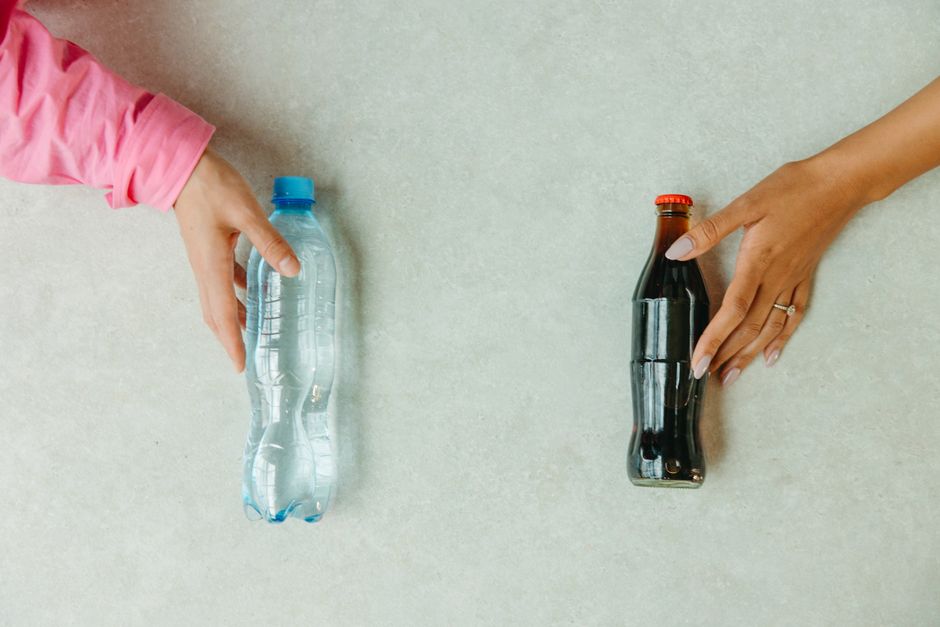
Diet soda does not directly raise blood pressure in most people the way regular sugar-sweetened soda does, but some studies suggest it may still pose risks for certain individuals. The artificial sweeteners in diet soda do not cause the same immediate spike in blood pressure that sugar and caffeine can trigger. However, long-term observational research has linked daily diet soda consumption to a higher risk of developing high blood pressure over time. The connection is not straightforward, and researchers are still working to understand exactly why this happens.
Does Diet Soda Raise Blood Pressure What Studies Say?
The short answer is that diet soda probably does not raise blood pressure in the moment you drink it. Studies that measure blood pressure immediately after consuming diet soda typically find no significant increase. This is different from regular soda, which contains sugar and often caffeine — both known to raise blood pressure temporarily.
What matters more is what happens over weeks, months, and years. Several large observational studies have found a link between daily diet soda consumption and higher rates of hypertension. The Framingham Heart Study, one of the longest-running cardiovascular research projects in the United States, found that people who drank one or more diet sodas per day had a higher risk of developing high blood pressure compared to those who drank none. This does not prove diet soda causes high blood pressure, but it raises a real question worth paying attention to.
What Does the Research on Diet Soda and Blood Pressure Actually Show?
The strongest evidence comes from population studies that track thousands of people over many years. The Nurses’ Health Study, which followed over 80,000 women for more than two decades, found that those who drank two or more diet sodas per day had a higher risk of developing high blood pressure. The risk was still there even after researchers adjusted for weight, exercise, and other lifestyle factors.
But here is where it gets complicated. People who drink diet soda often have other habits that increase blood pressure risk. They may be overweight, eat more processed foods, or have a family history of hypertension. Even when researchers try to account for these factors, some hidden variable could be driving the link. This is called residual confounding, and it means we cannot say for certain that diet soda itself is the cause.
Smaller controlled trials have not found the same clear link. In these studies, participants are randomly assigned to drink diet soda or water, and their blood pressure is measured over weeks. Most of these trials show no significant difference between groups. The problem is that these trials are short — usually a few weeks to a few months — and may not capture long-term effects.
Which Ingredients in Diet Soda Could Affect Blood Pressure?
Diet soda contains several ingredients that researchers have studied for their effects on blood pressure. The most common artificial sweeteners are aspartame, sucralose, and acesulfame potassium. None of these have been shown to directly raise blood pressure in controlled human studies.
Caffeine is a different story. Many diet sodas contain caffeine, which is a known stimulant that can temporarily raise blood pressure. For people who are sensitive to caffeine or drink several diet sodas per day, this could add up. A single can of diet cola typically has 30 to 50 milligrams of caffeine — about half the amount in a cup of coffee. If you drink three or four diet sodas per day, the caffeine effect becomes more noticeable.
Sodium is another ingredient worth mentioning. Some diet sodas contain small amounts of sodium, usually from added flavor enhancers. While the sodium content is low compared to salty foods, it can add up if you drink multiple cans per day. People with salt-sensitive hypertension may need to watch this more closely.




How Does Diet Soda Compare to Regular Soda for Blood Pressure?
Regular soda is clearly worse for blood pressure in the short term. The high sugar content triggers a rapid insulin response, which can cause blood vessels to constrict and blood pressure to rise. A study published in the American Journal of Clinical Nutrition found that drinking one regular soda per day was linked to a 6% higher risk of developing high blood pressure over four years.
| Type of Drink | Short-Term Blood Pressure Effect | Long-Term Risk (Observational Studies) |
|---|---|---|
| Regular soda | Raises blood pressure within 30-60 minutes | Consistently linked to higher hypertension risk |
| Diet soda | Minimal to no immediate effect | Mixed evidence; some studies show increased risk |
| Water | No effect | No known risk |
| Unsweetened coffee or tea | Temporary rise from caffeine (if present) | May lower long-term risk due to antioxidants |
This does not mean diet soda is harmless. It simply means that if you are choosing between a regular soda and a diet soda, the diet version is likely the better option for blood pressure. But that is a low bar. Water, unsweetened tea, or sparkling water with lemon are better choices for anyone concerned about hypertension.
What Are the Hidden Risks of Diet Soda for Blood Pressure?
One theory researchers are exploring is that artificial sweeteners may affect the gut microbiome. The trillions of bacteria living in your intestines play a role in regulating inflammation and blood pressure. Some animal studies have found that artificial sweeteners can change the balance of gut bacteria in ways that may promote inflammation and insulin resistance. Both of these are linked to higher blood pressure.
Another possibility is the psychological effect. When people drink diet soda, some feel they have “saved” calories and then eat more later. This could lead to weight gain over time, and weight gain is one of the strongest risk factors for high blood pressure. The CDC reports that being overweight or obese increases your risk of developing high blood pressure by 2 to 3 times.
There is also the question of habit. People who drink diet soda daily may be more likely to reach for other processed foods and drinks. This pattern of eating — not the diet soda alone — could be what drives the higher blood pressure risk seen in observational studies. It is hard to separate the drink from the lifestyle.
Should You Stop Drinking Diet Soda If You Have High Blood Pressure?
There is no strong evidence that you need to quit diet soda completely if your blood pressure is well controlled. The American Heart Association does not specifically warn against diet soda for blood pressure management. What they do recommend is limiting added sugars, reducing sodium, and drinking water as your primary beverage.
If you drink one diet soda per day and your blood pressure is normal, there is probably no reason to worry. If you drink three or more per day, or if you already have high blood pressure, it may be worth cutting back. Try replacing one diet soda per day with sparkling water or unsweetened iced tea. See how you feel and whether your blood pressure readings change.
Some people report that switching from diet soda to water helps them lose weight and feel better overall. This is widely claimed though strong evidence is limited to support this as a guaranteed benefit. Individual results vary. What works for one person may not work for another.
Frequently Asked Questions
Can diet soda cause high blood pressure?
Observational studies have found a link between daily diet soda consumption and higher rates of high blood pressure over time. Controlled trials have not confirmed that diet soda directly causes hypertension.
Is diet soda worse than regular soda for blood pressure?
Regular soda is worse for blood pressure in the short term because sugar causes an immediate spike. Long-term risks are less clear for both, but regular soda has stronger evidence linking it to hypertension.
How much diet soda is safe for blood pressure?
One diet soda per day is unlikely to affect blood pressure for most people. Drinking three or more per day may increase risk based on observational data.
Does caffeine in diet soda raise blood pressure?
Caffeine can temporarily raise blood pressure, especially in people who are sensitive to it. Diet sodas contain less caffeine than coffee but the effect can add up with multiple servings.
