
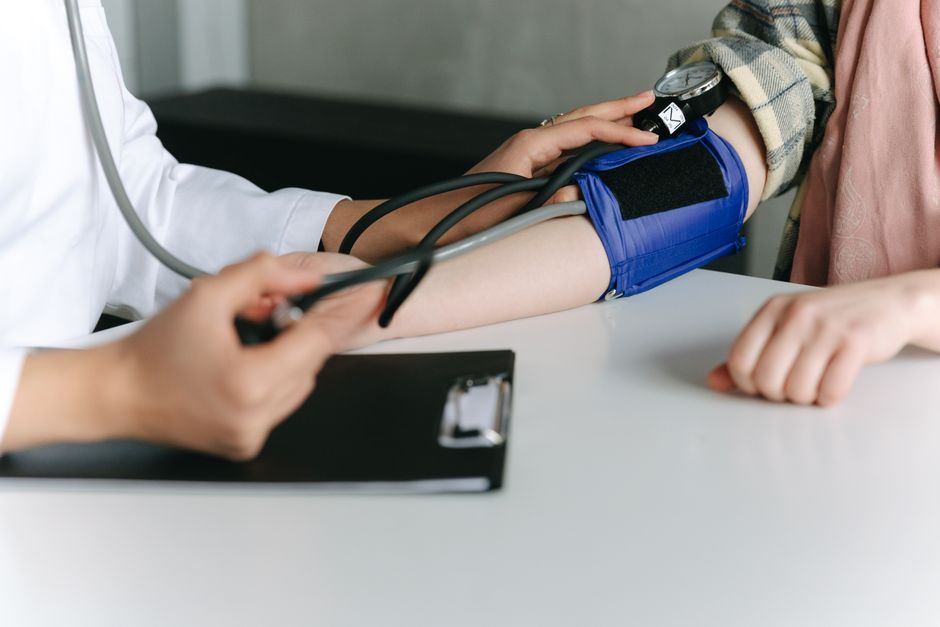
Blood pressure naturally fluctuates throughout the day, and a single low reading is rarely a cause for concern. Low blood pressure, medically known as hypotension, is generally considered normal when it causes no symptoms and does not disrupt daily life. It becomes a problem only when it produces symptoms like dizziness, fainting, or fatigue, which may indicate an underlying issue that needs attention.
What Is Considered Low Blood Pressure?
Blood pressure is measured in millimeters of mercury (mmHg) and recorded as two numbers. The top number, systolic pressure, measures the force when the heart contracts. The bottom number, diastolic pressure, measures the pressure between beats when the heart relaxes.
Most doctors consider normal blood pressure to be below 120/80 mmHg. Low blood pressure is typically defined as a reading of 90/60 mmHg or lower. But that number alone does not tell the whole story. Many healthy people walk around with readings near 90/60 and feel perfectly fine.
The more important question is whether symptoms accompany the low reading. A person with a blood pressure of 85/55 who feels energetic and symptom-free likely has nothing to worry about. The same reading in someone who feels lightheaded when standing could indicate a real problem.
What Causes Low Blood Pressure And When Is It Normal?
Several everyday situations can cause blood pressure to drop temporarily. These are usually harmless and resolve on their own.
Dehydration is one of the most common causes. When fluid levels drop, blood volume decreases, and pressure falls. Even mild dehydration can trigger this effect, especially in warm weather or after exercise.
Position changes cause a common form called orthostatic hypotension. When you stand up quickly, gravity pulls blood into your legs. Normally, your body compensates within seconds by tightening blood vessels and slightly increasing heart rate. In some people, this response is slow, causing a brief dizzy spell.
Meals can also lower blood pressure, particularly in older adults. Digesting food draws blood to the stomach and intestines, temporarily reducing pressure elsewhere in the body. This is called postprandial hypotension.
Being well-conditioned is another normal cause. Endurance athletes often have resting blood pressures in the low range because their hearts pump efficiently. This is not a problem; it is a sign of cardiovascular fitness.
Pregnancy frequently causes low blood pressure, especially during the first two trimesters. The circulatory system expands rapidly, and hormonal changes relax blood vessel walls. Most pregnant women experience their lowest readings around 24 weeks, and levels typically return to normal after delivery.
When Low Blood Pressure Signals a Health Problem
Low blood pressure becomes concerning when it causes symptoms or results from an underlying medical condition.
Dizziness and fainting are the most common symptoms that warrant attention. If you feel lightheaded when standing, have blurred vision, or actually pass out, your brain may not be receiving enough blood flow. These symptoms can increase the risk of falls and injuries, particularly in older adults.
Shock is a medical emergency and the most severe form of low blood pressure. It occurs when blood pressure drops so low that vital organs do not receive enough oxygen. Signs include confusion, cold and clammy skin, rapid shallow breathing, and a weak rapid pulse. This requires immediate emergency care.
Several medical conditions can cause chronic low blood pressure:
- Heart problems such as extremely low heart rate, heart valve disorders, or heart failure can reduce the heart’s ability to pump blood effectively.
- Endocrine disorders including thyroid conditions, adrenal insufficiency, and low blood sugar can affect blood pressure regulation.
- Neurological conditions like Parkinson’s disease can damage the autonomic nervous system, which controls blood pressure.
- Severe infections that enter the bloodstream can cause a dangerous drop in pressure called septic shock.
- Blood loss from injury or internal bleeding reduces blood volume and pressure.
Medications That Can Lower Blood Pressure
Many prescription and over-the-counter medications list low blood pressure as a side effect. This is especially relevant for people already taking blood pressure medication.
Diuretics, often called water pills, remove fluid from the body and can lower pressure excessively. Beta-blockers and calcium channel blockers relax the heart and blood vessels. Alpha-blockers, sometimes prescribed for prostate issues, can cause a sharp drop in pressure when standing.
Other medications that may contribute include:
- Antidepressants, particularly tricyclic antidepressants
- Medications for erectile dysfunction, especially when combined with nitrates
- Parkinson’s disease medications
- Alcohol and certain recreational drugs
If you suspect a medication is causing symptoms, do not stop taking it on your own. Some medications require gradual tapering, and stopping abruptly can cause dangerous rebound effects. Talk to your doctor about adjusting the dose or switching to an alternative.
How Doctors Evaluate Low Blood Pressure
Diagnosing the cause of symptomatic low blood pressure usually begins with a detailed history and physical examination. Your doctor will ask when symptoms occur, what makes them better or worse, and what medications you take.
Blood pressure measurements taken in different positions are a standard part of the evaluation. Readings are taken while lying down, then again within one to three minutes of standing. A drop in systolic pressure of at least 20 mmHg or a drop in diastolic pressure of at least 10 mmHg within this timeframe suggests orthostatic hypotension.
Depending on your symptoms and history, your doctor may order additional tests. An electrocardiogram checks for heart rhythm abnormalities. Blood tests can screen for anemia, thyroid problems, or blood sugar issues. An echocardiogram evaluates heart structure and function. In some cases, a tilt table test is used to reproduce symptoms while blood pressure and heart rate are monitored continuously.
Lifestyle Adjustments That Can Help
For people with bothersome symptoms but no serious underlying cause, several lifestyle changes can help manage blood pressure.
Increase fluid intake. Drinking more water increases blood volume and helps prevent dehydration-related drops. Some research suggests that drinking about 16 ounces of cold water can temporarily raise blood pressure in people with orthostatic hypotension.
Add salt to your diet only if your doctor recommends it. For most people, excess sodium is harmful and raises blood pressure to unhealthy levels. But for those with chronic hypotension, a moderate increase in salt can help retain fluid and maintain pressure. Never increase salt intake without medical guidance, especially if you have heart or kidney disease.
Move slowly when changing positions. When getting out of bed, sit on the edge for a minute before standing. When standing from a chair, pause briefly before walking. Simple compression movements, like squeezing your leg muscles before standing, can help push blood upward.
Wear compression stockings. These snug-fitting garments apply pressure to the legs, helping blood return to the heart and reducing blood pooling in the lower extremities. They are most effective for orthostatic hypotension.
Eat smaller meals. Large meals draw more blood to the digestive tract. Eating smaller portions more frequently can reduce post-meal drops in pressure.
When to See a Doctor
Occasional lightheadedness when standing quickly is common and usually harmless. But some situations deserve medical evaluation.
Seek medical attention if you experience:
- Recurrent fainting or near-fainting episodes
- Dizziness that interferes with daily activities
- Low blood pressure accompanied by chest pain, shortness of breath, or irregular heartbeat
- Black or bloody stools, which may indicate internal bleeding
- High fever with confusion, which could signal a serious infection
Emergency care is needed immediately if someone shows signs of shock, including confusion, cold clammy skin, rapid breathing, and a weak pulse. Do not wait to see if symptoms improve.
Low blood pressure is not inherently dangerous. Many people live their entire lives with readings below 90/60 and never experience a problem. The key distinction is symptoms. If you feel well, a low number on the monitor is simply a number. If you feel unwell, it deserves attention and investigation.
Frequently Asked Questions
Is 90/60 blood pressure too low?
A reading of 90/60 mmHg is considered low, but it is not automatically dangerous. If you have no symptoms like dizziness or fainting, this reading can be perfectly normal for you.
What is the most common cause of low blood pressure?
Dehydration is among the most common causes, especially in otherwise healthy people. Standing up too quickly, which causes a temporary drop in pressure, is also very common.
Can low blood pressure cause a heart attack?
Low blood pressure itself does not cause heart attacks. However, a sudden severe drop in pressure can be a sign of an ongoing heart problem, such as a heart attack, and requires immediate medical attention.
What should I eat to raise low blood pressure?
Increasing fluid intake is the first step. If your doctor approves, adding more salt to your meals can help retain fluid and raise pressure. Eating smaller, more frequent meals can also prevent post-meal pressure drops.
