
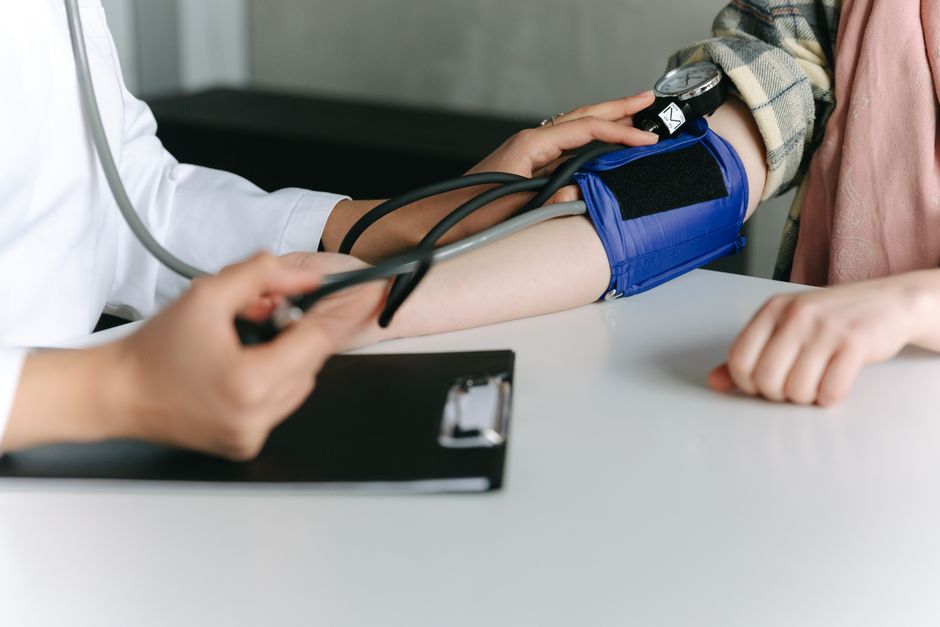
Blood pressure normally rises as we age, but the healthy target is the same for most adults: under 120/80 mmHg. Doctors do not use age-based ranges for healthy blood pressure in adults. Instead, they use one standard guideline for everyone 18 and older, with higher readings signaling a need for attention regardless of your age.
What Do the Two Blood Pressure Numbers Mean?
Blood pressure is recorded as two numbers written like a fraction. The top number is the systolic pressure. It measures the force in your arteries when your heart beats and pushes blood out. The bottom number is the diastolic pressure. It measures the pressure in your arteries when your heart rests between beats.
Both numbers matter, but they tell different parts of the story. Systolic pressure tends to rise steadily with age because arteries become stiffer over time. Diastolic pressure usually rises until around age 55, then it may level off or even drop slightly. This is why older adults often have isolated systolic hypertension — a high top number with a normal bottom number.
Your doctor cares about both values, but in people over 50, the systolic number becomes the main predictor of heart disease risk.
Normal Blood Pressure Ranges by Age
The American College of Cardiology and the American Heart Association define normal blood pressure as less than 120/80 mmHg for all adults. There is no separate “normal for age” table in current clinical guidelines. A reading of 118/76 is normal at age 30 and equally normal at age 70.
What changes with age is not the definition of normal — it is your likelihood of exceeding it. Blood vessel walls naturally thicken and lose elasticity over decades. This raises resistance to blood flow and pushes systolic pressure upward. Many older adults need treatment to stay under 130/80, the threshold where doctors generally recommend intervention.
The categories below reflect the official clinical guidelines used in the United States:
- Normal: Less than 120/80 mmHg
- Elevated: Systolic 120–129 and diastolic less than 80
- Stage 1 Hypertension: Systolic 130–139 or diastolic 80–89
- Stage 2 Hypertension: Systolic 140 or higher or diastolic 90 or higher
- Hypertensive Crisis: Systolic above 180 or diastolic above 120 — seek emergency care
These thresholds apply to adults 18 and older. A single high reading does not mean you have hypertension. Blood pressure fluctuates throughout the day with activity, stress, meals, and even conversation. Doctors diagnose hypertension only after multiple elevated readings on separate occasions.
Why Do Children Have Different Blood Pressure Standards?
Children are the one group where age-based blood pressure charts genuinely exist. Pediatric blood pressure norms are calculated using percentiles that account for age, sex, and height. A normal reading for a 7-year-old would be unusual for a teenager, and both differ from adult standards.
This difference exists because children’s bodies are still growing. Their blood pressure naturally increases as they grow taller and their hearts and blood vessels develop. Pediatricians use growth-adjusted percentiles to identify children whose blood pressure falls outside the expected range for their size.
By age 18, adult standards apply. If you are an adult looking for your own age-based number, the answer is straightforward: the target is under 120/80 regardless of whether you are 25 or 75.



How Much Blood Pressure Is Normal For Your Age — The Real Answer
If you are an adult, the normal target is under 120/80 mmHg at every age. This is the question most people mean when they search for age-based blood pressure charts. The confusion comes from older guidelines that once allowed higher readings in older adults — some older tables considered 150/90 acceptable at age 70. Those recommendations are outdated.
Current evidence shows that lowering blood pressure benefits older adults just as much as younger ones. The SPRINT trial, a major National Institutes of Health study, demonstrated that intensive blood pressure lowering to a systolic target of 120 mmHg reduced cardiovascular events and death in adults 50 and older. Treating high blood pressure in your 70s and 80s lowers your risk of stroke, heart attack, and heart failure.
Age does influence how your doctor approaches treatment. Older adults may have other conditions — kidney disease, diabetes, or a history of falls — that affect medication choices. Frail older adults sometimes tolerate lower blood pressure poorly. But the definition of a healthy reading itself does not shift with age.
How to Get an Accurate Blood Pressure Reading
Blood pressure readings are only useful if they reflect your true resting pressure. Many people experience white coat hypertension — elevated readings in a clinical setting caused by anxiety. Others have masked hypertension, where readings at the doctor’s office are normal but home readings run high.
Follow these steps for a reliable measurement:
- Sit quietly for five minutes before measuring
- Keep both feet flat on the floor — do not cross your legs
- Support your arm at heart level on a flat surface
- Use a properly sized cuff — too small a cuff inflates readings
- Do not drink caffeine or exercise 30 minutes beforehand
- Empty your bladder first — a full bladder can raise readings
Home monitoring provides valuable information that office readings miss. A validated home blood pressure monitor with an upper arm cuff is more accurate than wrist devices. Take two readings one minute apart each morning and evening for several days before sharing results with your doctor. Record the numbers in a log rather than trusting memory.
Lifestyle Factors That Raise Blood Pressure
Several everyday habits directly influence your blood pressure. Sodium is the most studied dietary factor. High sodium intake causes the body to retain fluid, increasing blood volume and arterial pressure. Most Americans consume well above the recommended limit of 2,300 milligrams per day — about one teaspoon of salt. Processed foods, restaurant meals, and canned goods are the primary sources, not the salt shaker.
Potassium works in the opposite direction. It helps blood vessels relax and counteracts sodium’s effects. Good sources include bananas, potatoes, leafy greens, beans, and yogurt. The typical Western diet provides too little potassium relative to sodium.
Alcohol raises blood pressure in a dose-dependent manner. Heavy drinking — more than two drinks daily for men or one for women — is consistently linked to higher readings. Even moderate drinking has measurable effects in some people. Weight matters too. Excess body fat increases the workload on your heart and raises vascular resistance. Losing even 5 to 10 pounds can lower systolic pressure by several points in overweight individuals.
Physical activity strengthens the heart so it pumps with less effort. The American Heart Association recommends at least 150 minutes of moderate aerobic activity per week. Walking, cycling, and swimming all qualify. Regular exercise lowers blood pressure by roughly 5 to 8 mmHg in people with hypertension — comparable to some single medications.
When to Seek Medical Attention
Schedule an appointment with your doctor if home readings consistently show 130/80 or higher. Do not wait for symptoms — hypertension typically causes none until damage has already occurred. This is why it is called the silent killer. Many people discover they have high blood pressure only during a routine checkup or after a cardiovascular event.
Seek emergency care immediately if your blood pressure reaches 180/120 or higher. This is a hypertensive crisis that can cause organ damage. Symptoms such as chest pain, shortness of breath, severe headache, vision changes, or numbness warrant urgent evaluation — do not wait to see if they pass.
Blood pressure is one of the few medical measurements you can track at home with equipment that costs less than a restaurant dinner. Knowing your numbers — not your age-based “acceptable” number — is the first step toward protecting your heart and brain.
Frequently Asked Questions
Is 130/80 normal for a 60-year-old?
No, 130/80 is stage 1 hypertension at any adult age. Current guidelines recommend lifestyle changes and possibly medication for readings at this level.
What is a dangerously high blood pressure number?
A reading of 180/120 or higher is a hypertensive crisis requiring emergency medical care. Seek immediate help if you also have chest pain, shortness of breath, or vision changes.
Does blood pressure medication lower it too much in older adults?
Doctors monitor older patients closely and adjust doses to avoid excessive drops. The treatment goal for most adults under 80 is below 130/80, with adjustments for frailty and other health conditions.
Can drinking more water lower blood pressure?
Water helps maintain normal blood volume, but dehydration actually raises blood pressure by narrowing blood vessels. Staying adequately hydrated supports healthy pressure, yet water alone does not treat hypertension.
