
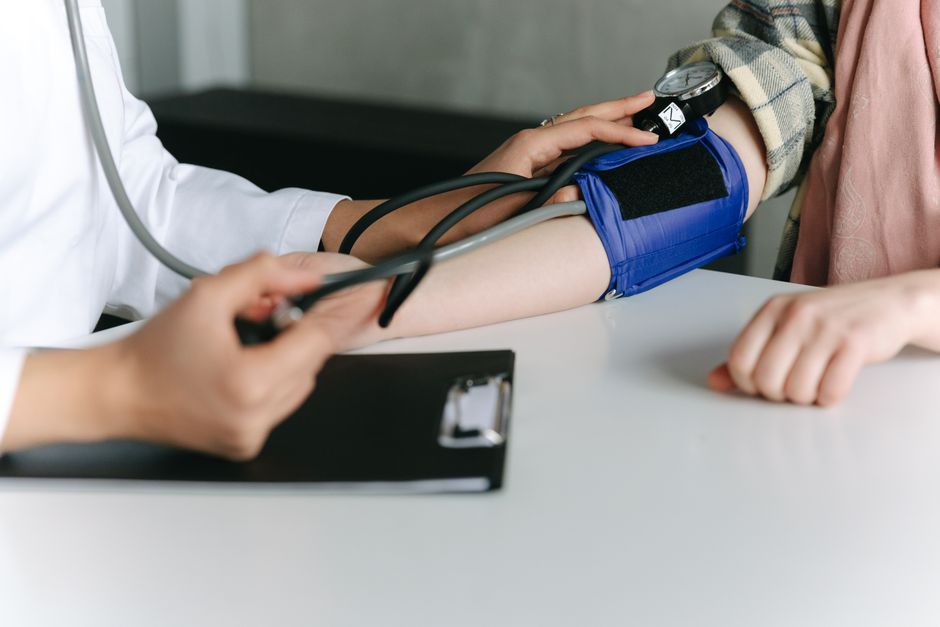
Blood pressure and pulse are two of the most basic measures of your heart’s health. Normal blood pressure for most adults is less than 120/80 mmHg. A normal resting pulse is between 60 and 100 beats per minute. These numbers are not arbitrary. They represent the pressure inside your arteries and the rate at which your heart pumps blood.
What Is A Normal Blood Pressure And Pulse?
Blood pressure measures the force of blood pushing against your artery walls. It is recorded as two numbers. The top number is systolic pressure, the force when your heart beats and pushes blood out. The bottom number is diastolic pressure, the force when your heart rests between beats.
Normal blood pressure is below 120/80 mmHg. A reading of 120-129 systolic with diastolic below 80 is considered elevated. Stage 1 high blood pressure starts at 130/80. Stage 2 is 140/90 or higher. A hypertensive crisis is anything above 180/120 and requires immediate medical attention.
Pulse, also called heart rate, is the number of times your heart beats in one minute. A normal resting heart rate for adults ranges from 60 to 100 beats per minute. Highly conditioned athletes often have resting rates below 60, which is generally not a concern if they feel well.
How Are Blood Pressure And Pulse Related?
Blood pressure and pulse are related but they measure different things. Your pulse tells you how often your heart beats. Your blood pressure tells you how hard the blood pushes against your vessel walls. A person can have a normal pulse and dangerously high blood pressure.
When your heart beats faster, blood pressure often rises. But this is not always the case. During exercise, your pulse increases and your systolic pressure rises while diastolic pressure stays relatively stable. After exercise, both return to baseline.
Certain conditions affect one more than the other. An irregular heart rhythm can cause an abnormal pulse while blood pressure remains normal. Stiff arteries from aging can raise blood pressure without changing pulse. Understanding both numbers gives a fuller picture of cardiovascular health than either one alone.
What Does Your Pulse Rate Actually Tell You?
Your resting heart rate reflects how efficiently your heart pumps blood. A lower resting rate usually means your heart does not have to work as hard. A consistently high resting rate may indicate poor cardiovascular fitness or an underlying condition.
Your pulse naturally changes throughout the day. It rises with activity, stress, fever, and caffeine. It drops during sleep. A pulse that stays above 100 at rest is called tachycardia. A pulse below 60 is called bradycardia. Both can be normal for some people and a warning sign for others.
To measure your pulse, place two fingers on the inside of your wrist just below the thumb. Count the beats for 30 seconds and multiply by two. Do this when you have been sitting quietly for at least five minutes. The most accurate time to measure is first thing in the morning before coffee or activity.

What Do The Blood Pressure Numbers Mean?
Your blood pressure reading has two parts that work together. The systolic number is the maximum pressure during a heartbeat. The diastolic number is the minimum pressure between beats. Both matter for diagnosis and treatment decisions.
Elevated systolic pressure is more common as people age. Arteries stiffen over time and cannot expand as easily when blood passes through. This raises the top number while the bottom number may stay normal. Isolated systolic hypertension is the most common form of high blood pressure in older adults.
Diastolic pressure tends to rise in younger adults, often due to lifestyle factors. High diastolic pressure with normal systolic pressure still requires treatment. Both numbers carry risk. The higher either number goes, the greater the strain on your heart, kidneys, brain, and blood vessels.
When Should You Check Your Pulse Or Blood Pressure?
Adults with normal readings should have blood pressure checked at least once every two years. If you have risk factors like obesity, diabetes, or a family history of hypertension, check it more often. Home monitoring is useful for people already diagnosed with high blood pressure.
You do not need to check your pulse regularly unless you have symptoms or a known heart condition. Palpitations, dizziness, fainting, or shortness of breath warrant a pulse check. If you feel your heart racing or skipping beats, sit down and take your pulse for a full minute.
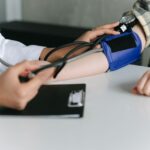
Home blood pressure monitors are reliable when used correctly. Take readings at the same time each day. Sit with your back supported and feet flat on the floor. Place the cuff on a bare arm at heart level. Do not drink caffeine or exercise within 30 minutes before measuring. Take two readings one minute apart and average them.
What Causes An Abnormal Reading?
One high reading does not mean you have hypertension. Blood pressure fluctuates throughout the day based on posture, stress, meals, and even conversation. White coat syndrome refers to higher readings in a medical setting due to anxiety. Masked hypertension is the opposite — normal readings in the clinic but high readings at home.
Your pulse can be affected by many factors. Dehydration makes your heart beat faster to maintain blood flow. Thyroid disorders can raise or lower heart rate. Medications including beta-blockers and some asthma drugs change pulse. Anemia forces the heart to pump more blood per minute.
Some causes of abnormal readings are temporary. Fever raises both heart rate and blood pressure. Pain increases pulse. Anxiety triggers the release of adrenaline, which speeds up the heart and narrows blood vessels. These readings return to normal when the trigger resolves.
How Do Age And Fitness Affect Normal Ranges?
Normal ranges shift slightly with age. Blood pressure tends to rise as arteries lose elasticity. The target for most adults is still below 120/80, but some guidelines allow slightly higher targets for adults over 65 who have other health conditions. Your doctor will set an individualized goal.
Resting heart rate also changes with age. Newborns have rates around 120-160 beats per minute. Children range from 70-120 depending on age. Adults fall into the 60-100 range. Older adults may have slightly lower resting rates due to changes in the heart’s electrical system.
Fitness level significantly affects resting pulse. Endurance athletes often have resting heart rates in the 40s or 50s. This is a sign of an efficient heart, not a problem. If you are physically active and have a low pulse without symptoms, no treatment is needed.
When Is An Abnormal Reading An Emergency?
Some readings require immediate medical care. A blood pressure reading of 180/120 or higher with chest pain, shortness of breath, vision changes, or weakness on one side of the body is a medical emergency. Call emergency services without delay.
A pulse above 120 beats per minute at rest with dizziness, chest pain, or fainting warrants urgent evaluation. A pulse below 40 with fatigue or lightheadedness also needs medical review. An irregular pulse with any of these symptoms should be checked promptly.
Do not drive yourself to the emergency room if you experience these symptoms. Call for an ambulance. Emergency medical personnel can begin monitoring and treatment immediately. Time matters for conditions affecting the heart and brain.
How Can You Keep Blood Pressure And Pulse In Normal Range?
Lifestyle choices have the strongest influence on both blood pressure and pulse. Regular aerobic exercise strengthens the heart muscle. A stronger heart pumps more blood per beat, which lowers resting heart rate and reduces pressure on artery walls.
Diet plays a direct role. Reducing sodium intake lowers blood pressure in most people. The DASH diet, which emphasizes fruits, vegetables, whole grains, and low-fat dairy, has been shown to reduce systolic blood pressure. Limiting alcohol and caffeine also helps keep readings normal.
Stress management matters more than most people realize. Chronic stress keeps blood pressure elevated and heart rate high. Deep breathing, adequate sleep, and regular physical activity counter this effect. Maintaining a healthy weight reduces the workload on your heart. Even modest weight loss can lower blood pressure.
Frequently Asked Questions
What is a dangerous blood pressure reading?
A reading of 180/120 or higher is a hypertensive crisis and requires immediate medical attention. Seek emergency care if this reading comes with chest pain, shortness of breath, or vision changes.
Is a resting heart rate of 55 normal?
A resting heart rate of 55 is normal for many people, especially those who are physically fit. If you feel dizzy, weak, or fatigued with a rate in the 50s, consult your doctor.
Can dehydration cause high blood pressure?
Dehydration can cause blood pressure to drop, not rise, because blood volume decreases. However, the body compensates by constricting blood vessels and raising heart rate, which can temporarily elevate readings.
How often should I check my blood pressure at home?
If you have high blood pressure, check it daily at the same time each morning and evening. If your readings are consistently normal, checking once or twice a week is sufficient.
